

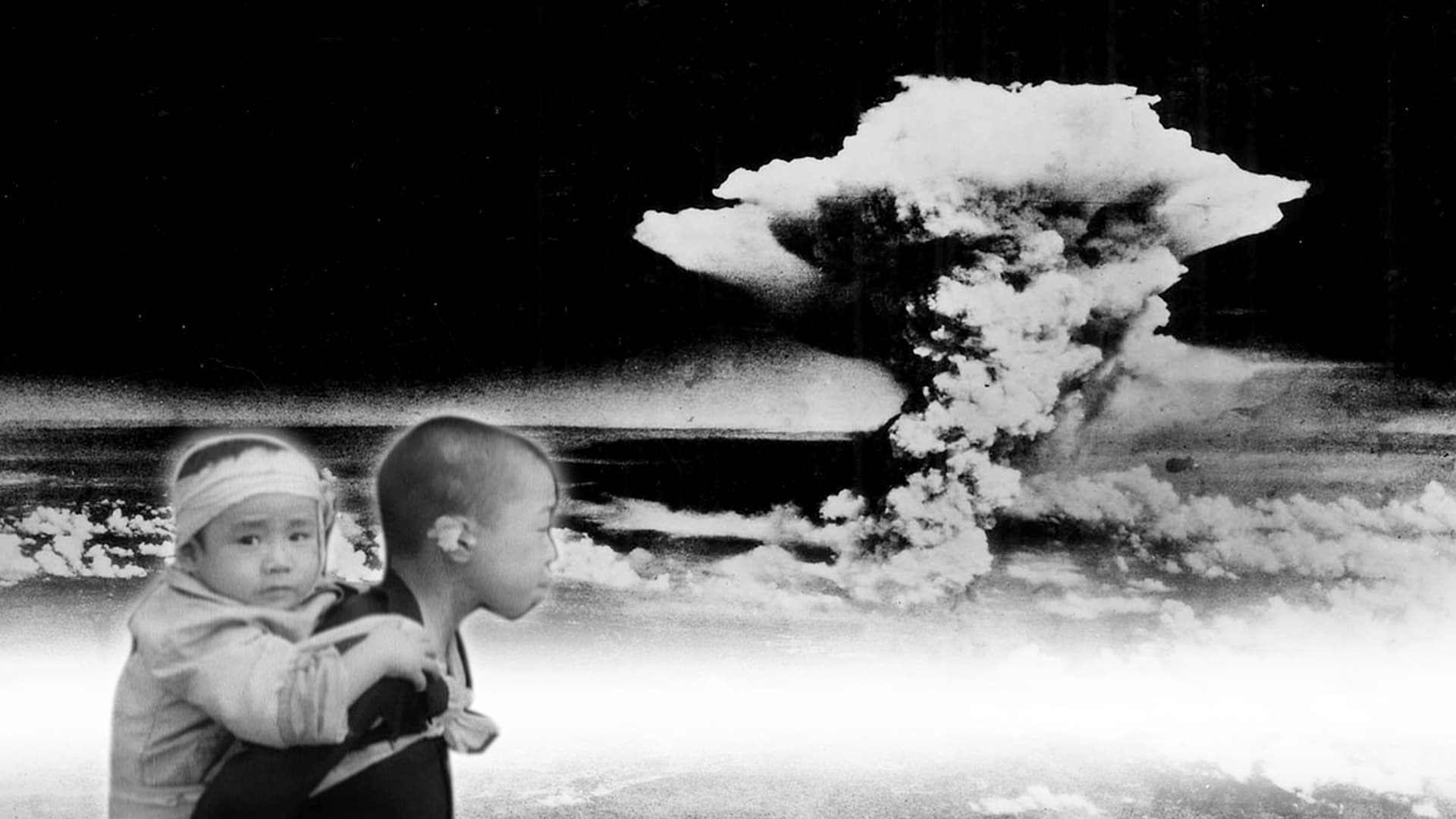
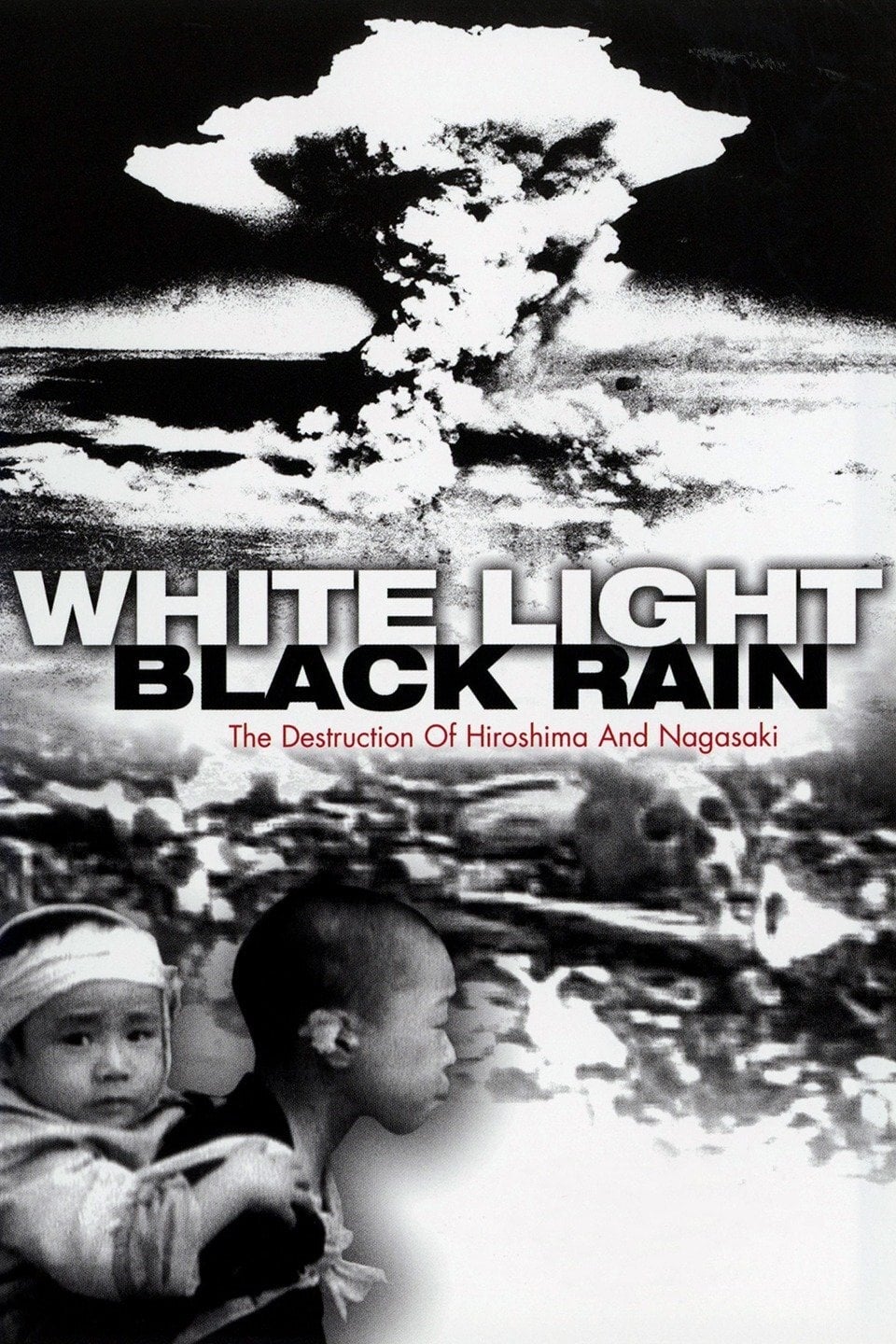
White Light/Black Rain: The Destruction of Hiroshima and Nagasaki
Documentary · War
Overview
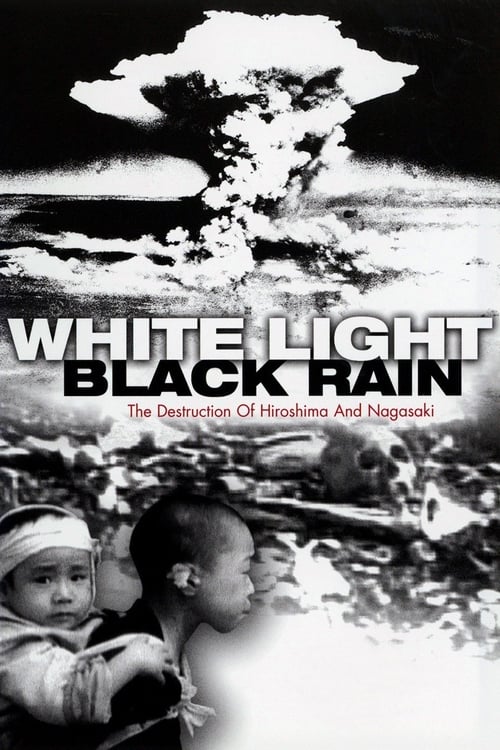
Steven Okazaki presents a deeply moving look at the painful legacy of the first -- and hopefully last -- uses of nuclear weapons in war. Featuring interviews with fourteen atomic bomb survivors - many who have never spoken publicly before - and four Americans intimately involved in the bombings, White Light/Black Rain provides a detailed exploration of the bombings and their aftermath.


Harold Agnew
Harold Agnew
Self
Harold Agnew
Self
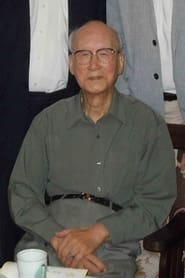
Shuntaro Hida
Shuntaro Hida
Self
Shuntaro Hida
Self
Kiyoko Imori
Kiyoko Imori
Self
Kiyoko Imori
Self
Morris Jeppson
Morris Jeppson
Self
Morris Jeppson
Self
Lawrence Johnston
Lawrence Johnston
Self
Lawrence Johnston
Self
Pan Yeon Kim
Pan Yeon Kim
Self
Pan Yeon Kim
Self
Etsuko Nagano
Etsuko Nagano
Self
Etsuko Nagano
Self
Keiji Nakazawa
Keiji Nakazawa
Self
Keiji Nakazawa
Self
Chiemi Oka
Chiemi Oka
Self
Chiemi Oka
Self
Shigeko Sasamori
Shigeko Sasamori
Self
Shigeko Sasamori
Self
Similar Movies
In the brutal trench fighting of the First World War, a British Infantry Company is separated from their regiment after a fierce battle. Attempting to return to their lines, the British soldiers discover what appears to be a bombed out German trench, abandoned except for a few dazed German soldiers. After killing most of the Germans, and taking one prisoner, the British company fortifies to hold the trench until reinforcements can arrive. Soon, however, strange things being to happen as a sense of evil descends on the trench and the British begin turn on each other.
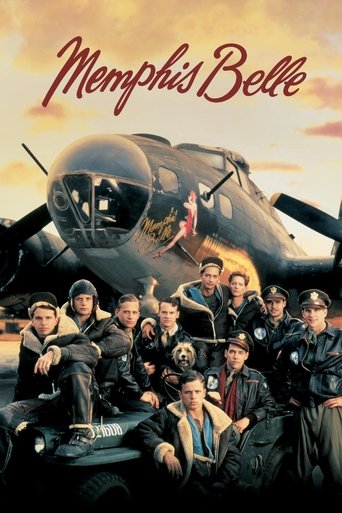
The "Memphis Belle" is a World War II bomber, piloted by a young crew on dangerous bombing raids into Europe. The crew only have to make one more bombing raid before they have finished their duty and can go home. In the briefing before their last flight, the crew discover that the target for the day is Bremen.
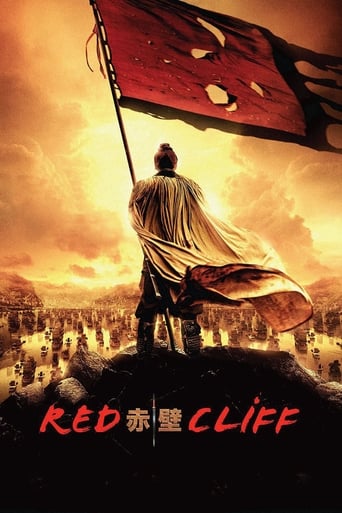
In 208 A.D., in the final days of the Han Dynasty, shrewd Prime Minster Cao convinced the fickle Emperor Han the only way to unite all of China was to declare war on the kingdoms of Xu in the west and East Wu in the south. Thus began a military campaign of unprecedented scale. Left with no other hope for survival, the kingdoms of Xu and East Wu formed an unlikely alliance.
The ideologies underlying the foundation of modern Israel are explored in this documentary, the third of a trilogy (created over a twenty year span) exploring the Jewish experience. The two earlier documentaries, "Porquoi Israel," and "Shoah," have had great effect on the ways documentaries are produced. "Tsahal" zeroes in on the crucial role of the military in Israeli society and politics. The film uses many in-depth interviews to present the many feelings and thoughts about the Israeli military.
The Polish city of Łódź was under Nazi occupation for nearly the entirety of WWII. The segregation of the Jewish population into the ghetto, and the subsequent horrors are vividly chronicled via newsreels and photographs. The narration is taken almost entirely from journals and diaries of those who lived–and died–through the course of the occupation, with the number of different narrators diminishing as the film progresses, symbolic of the death of each narrator.
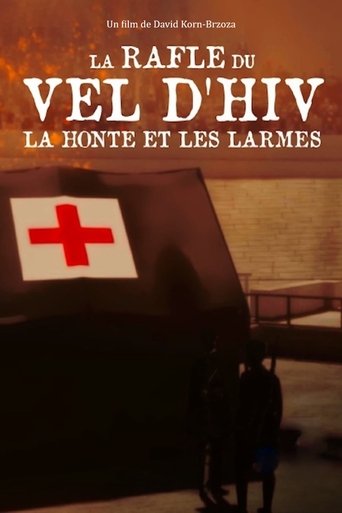
In 1942, more than 8,000 Jews were arrested on 16 and 17 July and sent to the Vélodrome d'Hiver sports center in the 15th district, a stone's throw from the Eiffel Tower, before being deported. The expression "Vel d'Hiv round-up" has become part of our collective memory, to the point of becoming the main memorial reference point for France during the dark years. Based on research carried out in unpublished or rarely explored archives, this film retraces the history of this roundup as experienced by hunted Jews and police trackers, from its planning in the Vichy offices to its hour-by-hour unfolding in the streets of Paris.
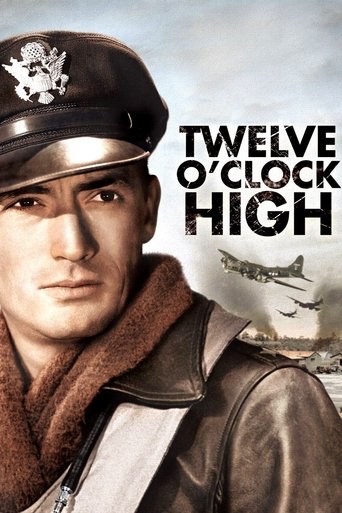
In the early days of daylight bombing raids over Germany, General Frank Savage must take command of a 'hard luck' bomber group. Much of the story deals with his struggle to whip his group into a disciplined fighting unit in spite of heavy losses, and withering attacks by German fighters over their targets.

Stingo, a young writer, moves to Brooklyn in 1947 to begin work on his first novel. As he becomes friendly with Sophie and her lover Nathan, he learns that she is a Holocaust survivor. Flashbacks reveal her harrowing story, from pre-war prosperity to Auschwitz. In the present, Sophie and Nathan's relationship increasingly unravels as Stingo grows closer to Sophie and Nathan's fragile mental state becomes ever more apparent.