

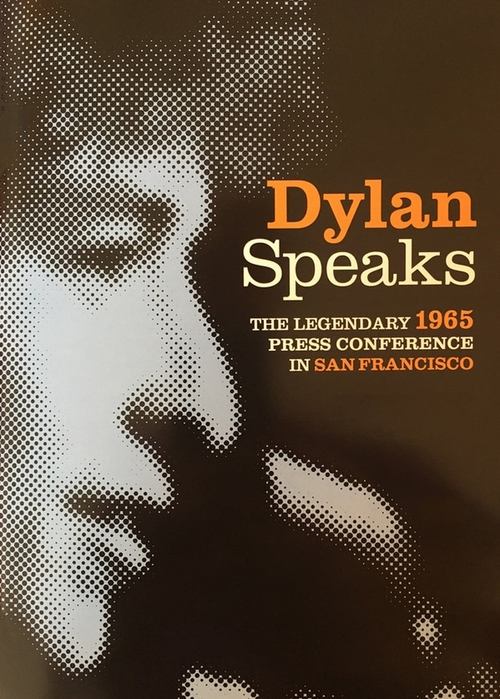
Dylan Speaks
Documentary
Overview
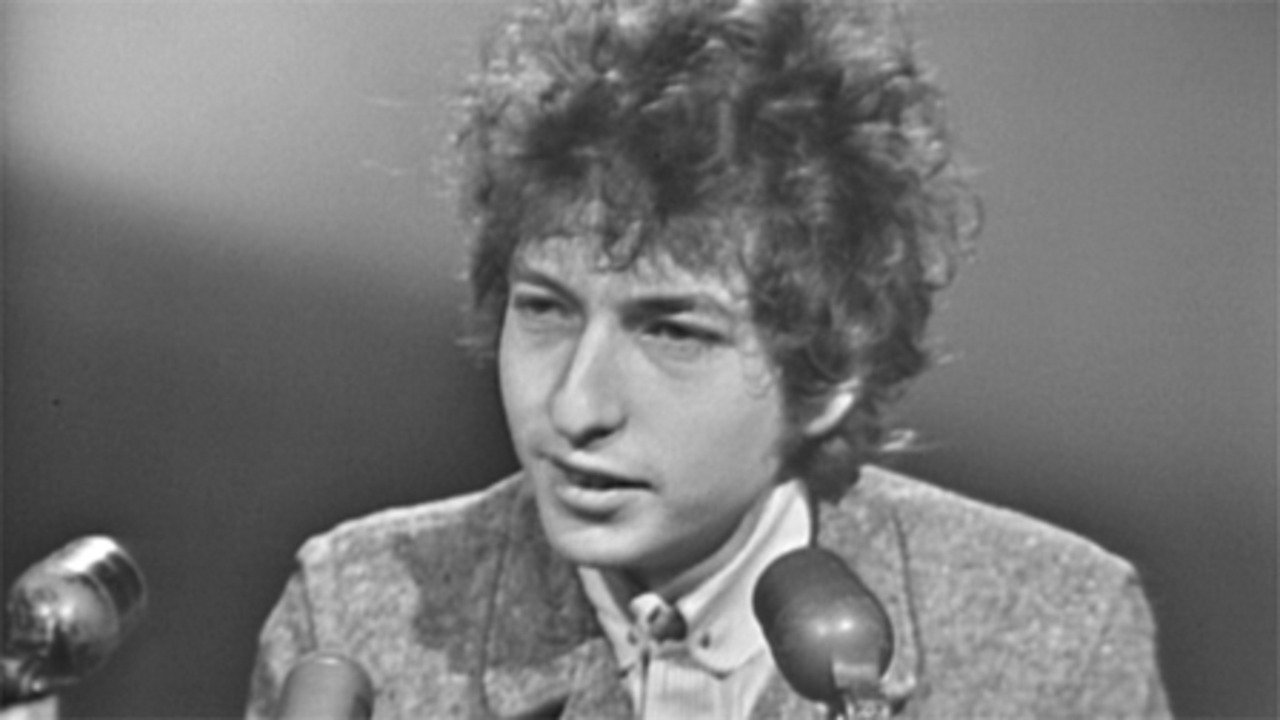
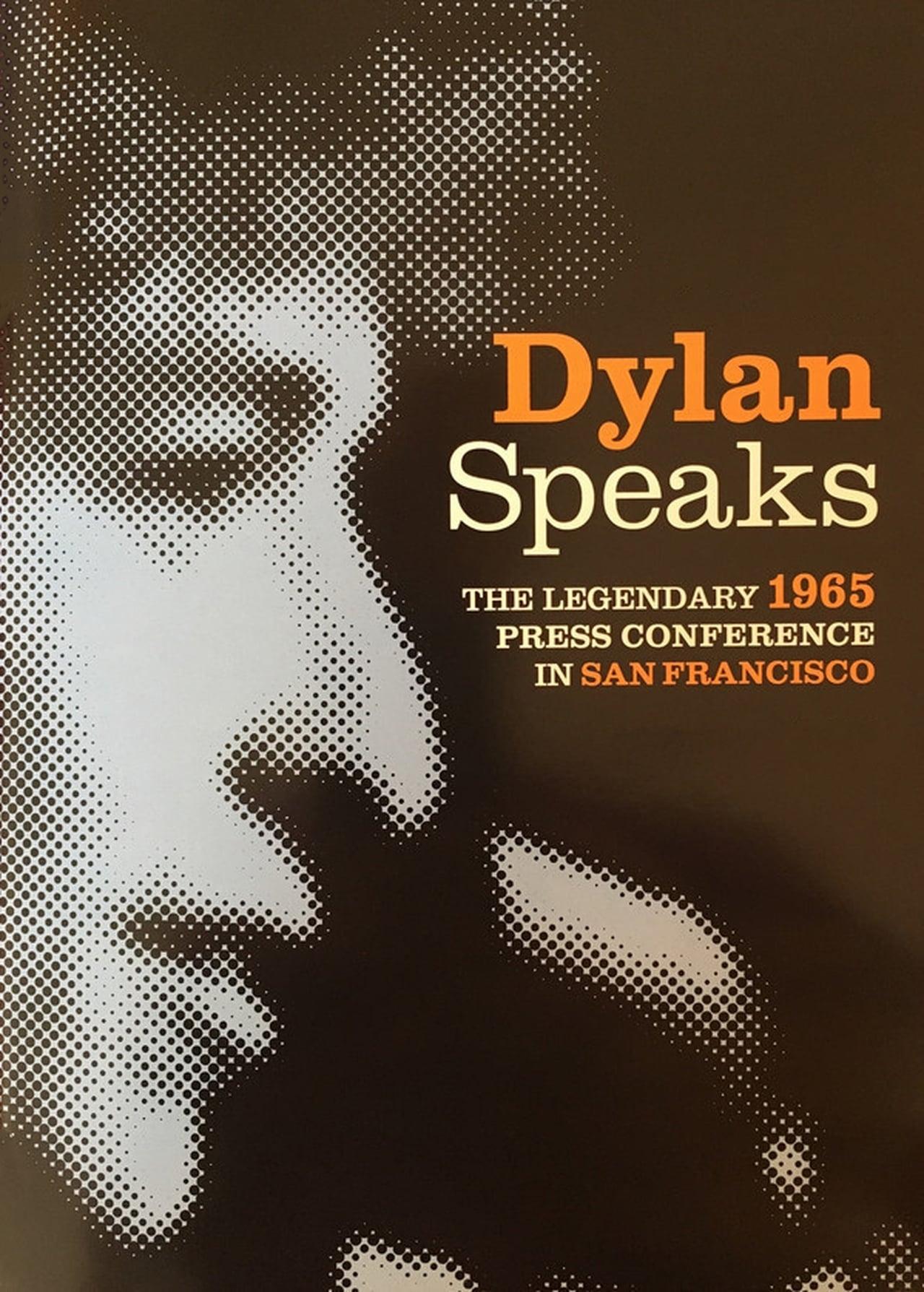
The legendary press conference in San Fransisco at KQED studios on Dec. 3rd 1965. This was a pivotal year in Bob Dylan's career. In the early part of the year he released "Bringing It All Back Home", the first album that saw him move distinctly away from his folk music origins. In the summer he followed it with "Highway 61 Revisited", an out and out rock 'n' roll album, and the single "Like A Rolling Stone" hit No.2 on the US charts. His appearance at that year's Newport Folk Festival saw him use an electric guitar on stage, a hugely controversial move at the time that saw him booed by much of the audience. Against this background, Dylan went into the studios of TV station KQED in San Francisco for a broadcast press conference hosted by Ralph J. Gleason, his only one from this era ever to be filmed.



Bob Dylan
Bob Dylan
Self
Bob Dylan
Self
Ralph J. Gleason
Ralph J. Gleason
Host
Ralph J. Gleason
Host
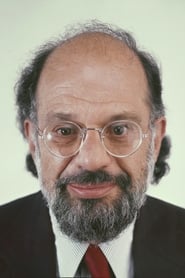
Allen Ginsberg
Allen Ginsberg
Self (archive footage)
Allen Ginsberg
Self (archive footage)
Bill Graham
Bill Graham
Self
Bill Graham
Self
Larry Hankin
Larry Hankin
Self
Larry Hankin
Self
Similar Movies

The history of the Yakuza Eiga at the TOEI studio is roughly outlined. Real Yakuza and also their connections to the movie business are discussed, and many important actors and directors of the genres are interviewed. Former real yakuza boss turned actor Noboru Ando, Takashi Miike, Sonny Chiba and many more get a chance to speak.
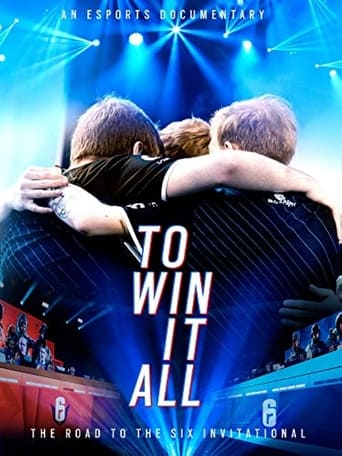
To Win It All: The Road to the Six Invitational is an exciting view into Tom Clancy's Rainbow Six Siege, one of the world's fastest-growing esports. Three top players from around the globe try to balance lives, relationships, and training while chasing a chance to compete in the Six Invitational and win its life-changing $2,000,000 prize pool.
1981: for the first time, contemporary witnesses of the Holocaust speak on German television in the two-part documentary "Witnesses - Testimonies to the Murder of a People" - at prime time on the first channel. Only 36 years after the Second World War, Bremen filmmaker Karl Fruchtmann has created a counter-design to the US drama series "Holocaust". While there are hardly any people left today who can personally recount their experiences of the Holocaust, there were still many contemporary witnesses in the early 1980s for whom the murder of the European Jews was still very present. Karl Fruchtmann interviewed 60 survivors of the Nazi concentration camps in Israel and Poland, the tapes are in the archives of Radio Bremen, almost 80 hours of interviews, a historical legacy! Only a small part of them has been published so far.

Never-before-heard audio tapes recorded with Neil Armstrong during the final years of his life reveal an intimate portrait of this iconic - and famously private - man. Illustrated through previously unseen personal photographs and archival footage, this documentary special takes viewers on an emotional journey into the thoughts and experiences of the first man on the Moon.

Michelle Martin, Monique Olivier, and Karla Homolka shared the lives of fearsome pedophile predators with full knowledge of the facts and sometimes even participated in their crimes. They all have in common that they present themselves as victims, but the experts who testify in this report are far from sharing this vision.
Homo Cinematographicus is a human species whose unit of measurement and point of reference is the cinema and its derivative, television. Filmed at the 1998 Cannes Film Festival, the film offers an unspecified number of statements, talking about memories and a thousand fragments of stories, titles and film scenes, the warp of a gigantic collective Chanson de geste.