

We Are Always Walking
Documentary
Overview
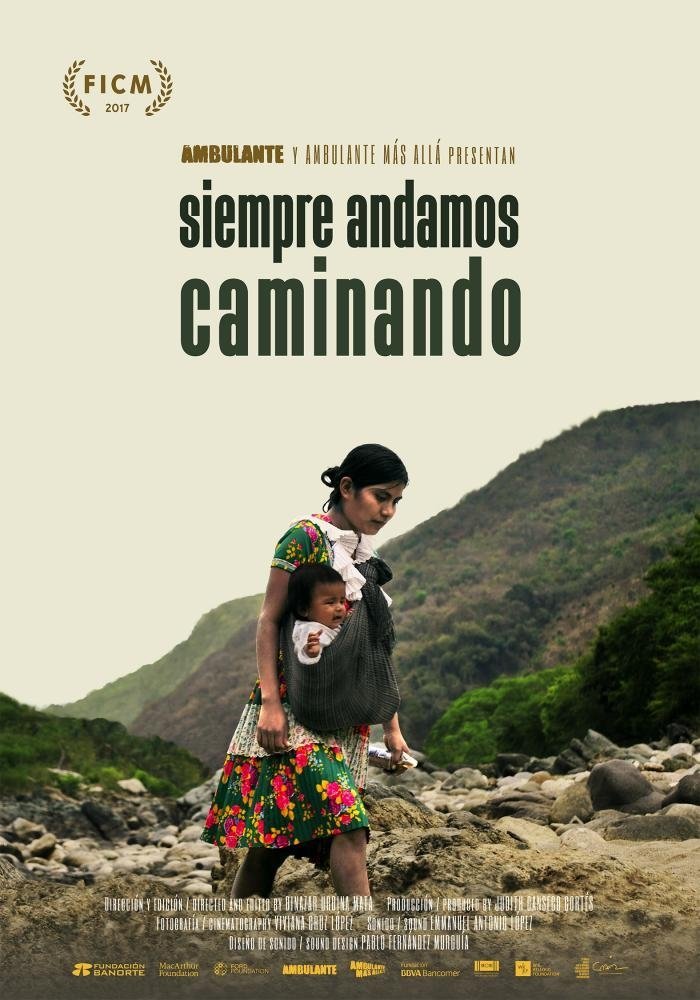
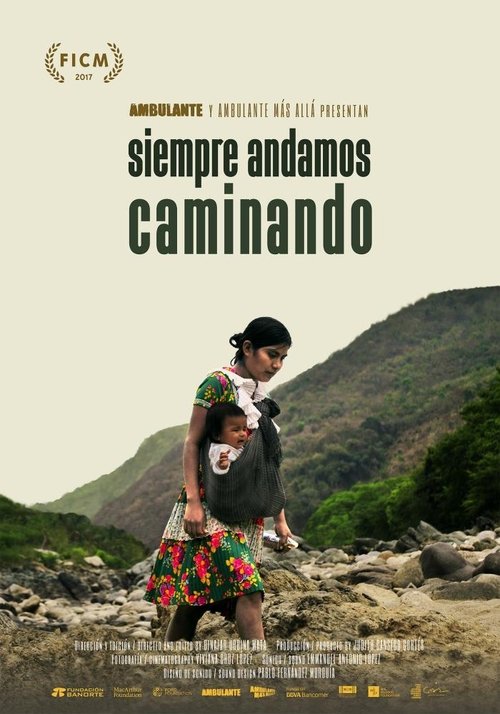
Alberta, Julia, and Catalina are three Chatino migrant women who have had to leave their communities to work on the Oaxacan coast. Catalina sells food, while Alberta and Julia work in lime and papaya orchards. The three women endure discrimination and the challenges of survival in an unknown place—all in order to improve their families’ quality of life.
Top Cast


Catalina Mejia Hernandez
Catalina Mejia Hernandez
Catalina
Catalina Mejia Hernandez
Catalina
Alberta Cortes Santana
Alberta Cortes Santana
Alberta
Alberta Cortes Santana
Alberta
Julia Merino
Julia Merino
Julia
Julia Merino
Julia
Similar Movies
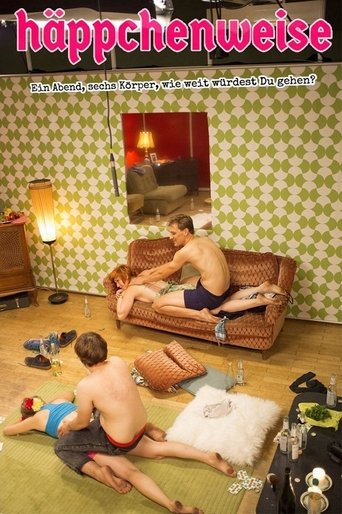
Six people, one room, one night, one game, a lot of sensuality and much to discover. A Film that shows how bodies and minds might meet when allowed to. Get involved within a stimulating experiment, somewhere between aesthetic statement and real venture, between pornographic art and the attempt to reposition sexuality within dialogue and actions.
Houda al-Habash, a conservative Muslim preacher, founded a Qur'an school for girls in Damascus, Syria when she was just 17 years old. Every summer, her female students immerse themselves in a rigorous study of Islam, in addition to their secular schooling. A surprising cultural shift is underway-women are claiming space within the mosque, a place historically dominated by men. Challenging tradition, Houda insists education for women is a form of worship. Using Qur'anic teachings, she encourages her students to pursue higher education, jobs, and public lives, while remaining committed to an interpretation of Islam prioritizing women's role as wives and mothers. In a world rarely seen, The Light In Her Eyes tells the story of a leader who challenges the women of her community to live according to Islam, without giving up their dreams. Shot right before the uprising in Syria erupted, the film is an exclusive look at a social movement thriving in a country controlled by a repressive regime
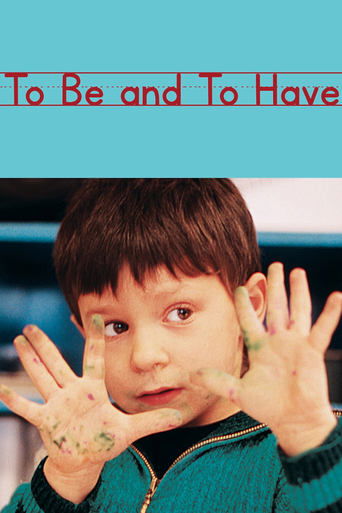
The documentary's title translates as "to be and to have", the two auxiliary verbs in the French language. It is about a primary school in the commune of Saint-Étienne-sur-Usson, Puy-de-Dôme, France, the population of which is just over 200. The school has one small class of mixed ages (from four to twelve years), with a dedicated teacher, Georges Lopez, who shows patience and respect for the children as we follow their story through a single school year.
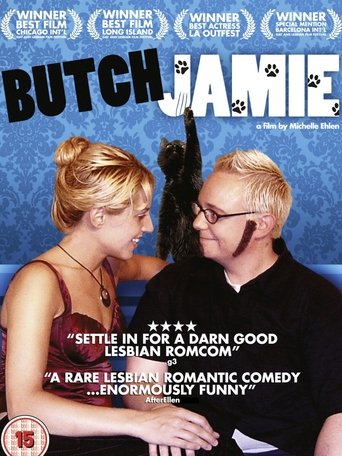
The film follows the story of Jamie, a struggling butch lesbian actress who gets cast as a man in a film. The main plot is a romantic comedy between Jamie's male alter-ego, "Male Jamie," and Jill, a heterosexual woman on set. The film's subplots include Jamie's bisexual roommate Lola and her cat actor Howard, Lola's abrasive butch German girlfriend Andi, and Jamie's gay Asian friend David.
The interviews show these extraordinary women sharing their diverse journeys, personal stories, and perspectives, and the effect is both inspiring and empowering. The Female Lead is an initiative founded by data pioneer and entrepreneur Edwina Dunn to make women’s stories more visible, offering alternative role models with the goal of fostering ambition and self-belief in young women.
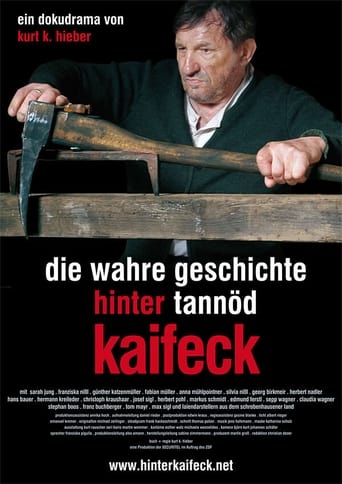
Still today, people say that during the stormy night from March 31st to April 1st, 1922, the devil had come to Hinterkaifeck. On the farmstead near Schrobenhausen, all 6 inhabitants – 4 Adults and two children – are struck down bestially. The police did not manage to seek out the murderer(s). As the case is still unsolved as of today, the story still lives on in the minds of the people. Motion pictures, theatre plays, and the bestselling novel “Tannöd”, behind all of them stands Hinterkaifeck. Aspiring police investigators and a self-declared “Internet – special commission ‘Hinterkaifeck’” have now once again taken up the trail of the case. This exciting search for traces is followed by the film, and its findings are recreated in elaborate play scenes. Thereby, a picture of an era thought to be bygone and an idea of what really happened back then comes into existence. More precise than any fiction, the docudrama manages to get closer to the truth.
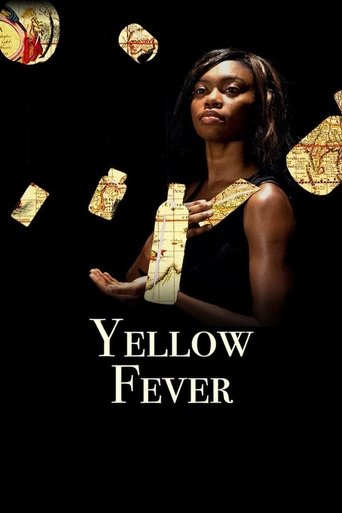
What does beauty look like? In this award-winning short, Kenyan filmmaker Ng’endo Mukii combines animation, performance, and experimental techniques to create a visually arresting and psychologically penetrating exploration of the insidious impact of Western beauty standards and media-created ideals on African women’s perceptions of themselves. From hair-straightening to skin-lightening, YELLOW FEVER unpacks the cultural and historical forces that have long made Black women uncomfortable, literally, in their own skin.