

To Be and to Have
Documentary
Overview
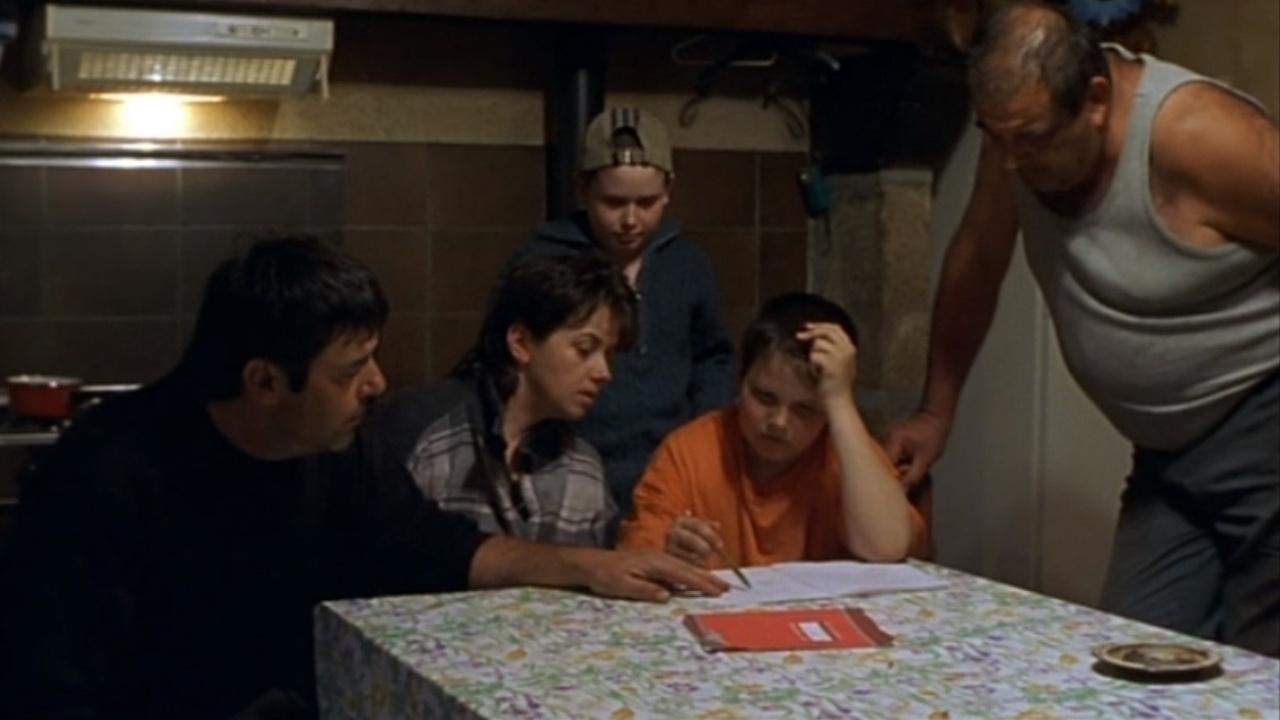
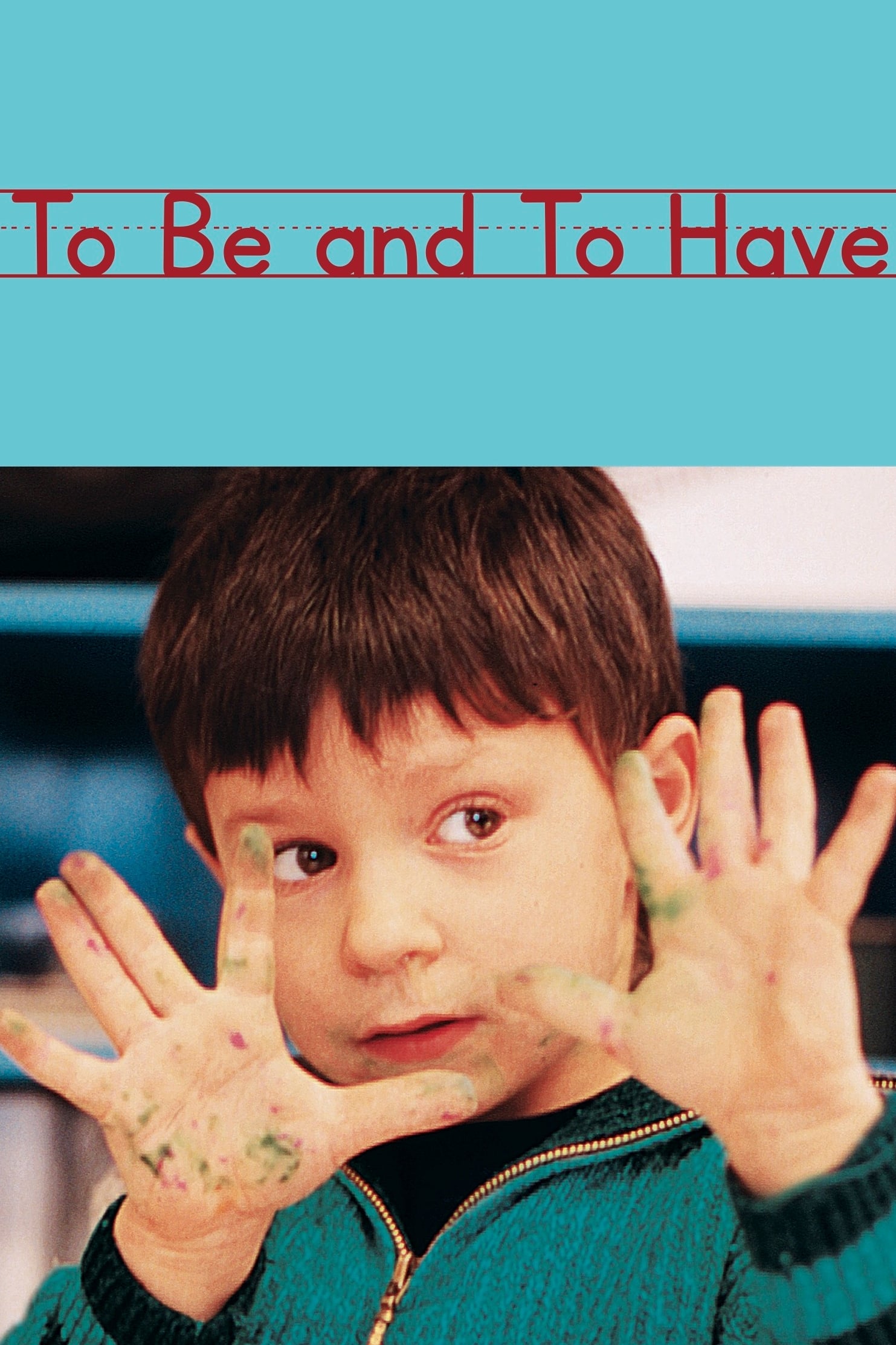
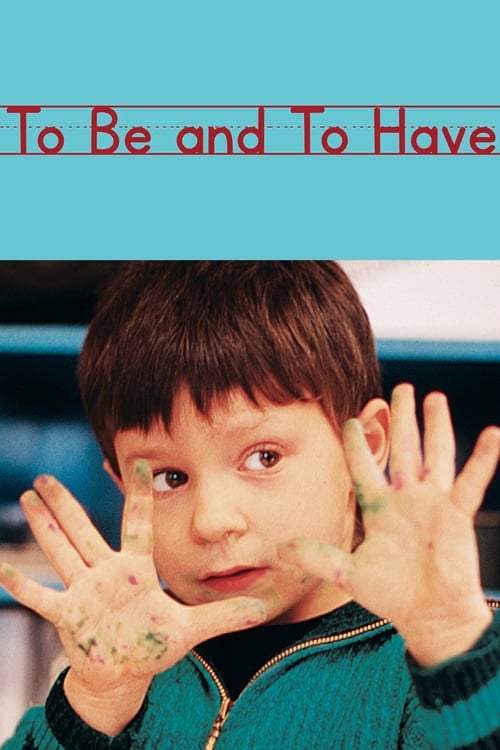
The documentary's title translates as "to be and to have", the two auxiliary verbs in the French language. It is about a primary school in the commune of Saint-Étienne-sur-Usson, Puy-de-Dôme, France, the population of which is just over 200. The school has one small class of mixed ages (from four to twelve years), with a dedicated teacher, Georges Lopez, who shows patience and respect for the children as we follow their story through a single school year.
Top Cast
Georges Lopez
Georges Lopez
Self, teacher
Georges Lopez
Self, teacher
Johan
Johan
Self, 4 year old - Jojo
Johan
Self, 4 year old - Jojo
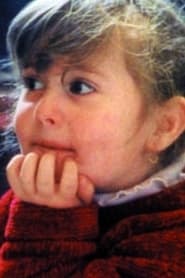
Alizé
Alizé
Self, 3 year old
Alizé
Self, 3 year old
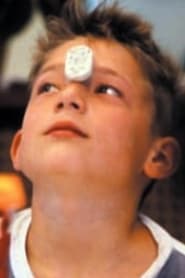
Guillaume
Guillaume
Self, 9 year old
Guillaume
Self, 9 year old
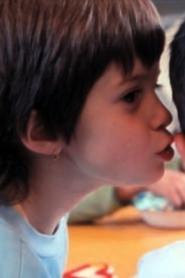
Létitia
Létitia
Self, 4 year old
Létitia
Self, 4 year old
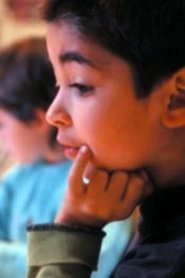
Johann
Johann
Self, 4 year old
Johann
Self, 4 year old
Jonathan
Jonathan
Self, 10 year old
Jonathan
Self, 10 year old
Olivier
Olivier
Self, 10 year old
Olivier
Self, 10 year old
Laura
Laura
Self, 7 year old
Laura
Self, 7 year old
Marie-Elizabeth
Marie-Elizabeth
Self, 4 year old
Marie-Elizabeth
Self, 4 year old
Similar Movies
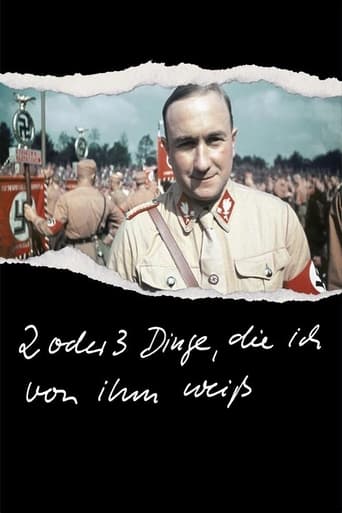
What would your family reminiscences about dad sound like if he had been an early supporter of Hitler’s, a leader of the notorious SA and the Third Reich’s minister in charge of Slovakia, including its Final Solution? Executed as a war criminal in 1947, Hanns Ludin left behind a grieving widow and six young children, the youngest of whom became a filmmaker. It's a fascinating, maddening, sometimes even humorous look at what the director calls "a typical German story." (Film Forum)
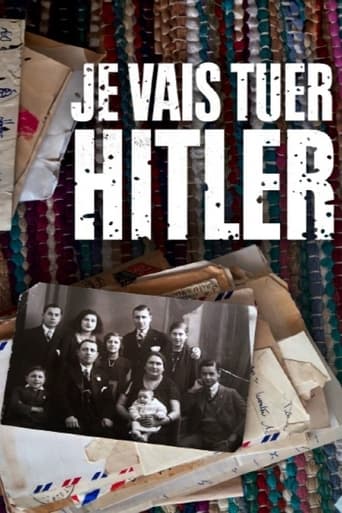
One day, in Savigny, an 18-year-old boy left his house in the middle of the war, saying: "I'm leaving, I'm going to kill Hitler." His name was Joseph, he was Jewish, he was my great-uncle. He disappeared during the night of the Occupation, and his existence became a family secret. He disappeared from history, the small as well as the big: he is not on any deportation list, and the only archive where he appears is a family photo of him as a child. It disappeared like a stone at the bottom of the water, instead of going up in smoke in the sky of Poland. What did he become? And why didn't anyone mention his name anymore?
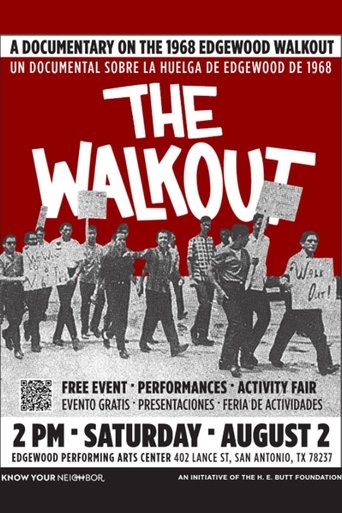
“The Walkout” is a new documentary that brings to light a pivotal but often overlooked moment in Texas history: the 1968 student walkout at Edgewood High School in San Antonio’s Westside. Fed up with underfunded classrooms, uncertified teachers, and crumbling facilities, a group of young Mexican American students and their families organized a bold protest that would become a catalyst for statewide education reform. Told through the voices of the original students, community leaders, and historians, The Walkout weaves together personal testimony, historical footage, and present-day reflections to honor the legacy of resistance born in San Antonio’s Westside. This film doesn’t just revisit the past; it also draws a direct line to today’s struggles over school funding and equity in Texas.
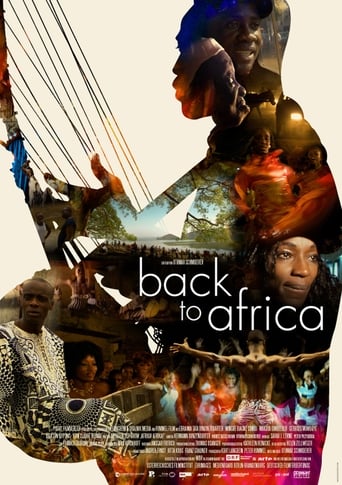
An Austrian director followed five successful African music and dance artists with his camera and followed their lives for a year. The artists, from villages in Ghana, Gambia and Congo, were the subjects of Africa! Africa! touring across Europe, but they have unbreakable roots to their homeland and their families. Schmiderer lovingly portrays his heroes, who tell their stories about themselves, their art and what it means to them to be African with captivating honesty. The interviews are interwoven with dance scenes and colourful vignettes set to authentic music.
13-year-old Khodor is a child whose family tries to issue him an ID document that proves his existence and gives him the right to education, health-care and movement outside of the Palestinian refugee camp of Shatila in Beirut, Lebanon. Through the process, many of the family's old secrets are revealed.
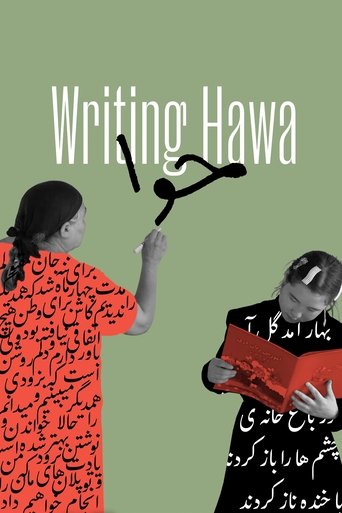
Afghan documentary maker Najiba Noori offers not only a loving and intimate portrait of her mother Hawa, but also shows in detail how the arduous improvement of the position of women is undone by geopolitical violence. The film follows the fortunes of Noori’s family, who belong to the Hazaras, an ethnic group that has suffered greatly from discrimination and persecution.

Rafael - the minister of sports of an unrecognized country, and Natasha - a Russian opera singer, try living together in Abkhazia - a war-torn future-less country. Observing their difficult relations, we see life in a place marked by war and nationalism. The film portrays trapped people dreaming of peace, normality and happiness.

This is a story about youth with music. It all happens at the Dandelion School, Beijing’s first middle school specifically established for the children of migrant workers. Every year when new pupils arrive, Ms. Yuan Xiaoyan, who has worked in the school choir for eight years, would choose a group of music-loving first-years with solid musical foundations to join the choir. A new group of children join the choir while those who have advanced to the second year have to discuss with their families their future choices. For choir members, their music career in middle school will eventually stop due to the pressure of high school entrance examinations and the inevitable parting. But along this journey accompanied by music, they have been savoring the joys and sorrows of their youth, burying them deep in their hearts, and transforming them into growth-promoting nutrients.

A short film depicting the universality of life, growth, and how beautiful life is to simply exist. The film shows how beautiful it can be when we show tenderness & love for one another, through the narration & home movies of four sisters & their mother from when they were born up to the present. The film was made over 18 years on The Australian Coast.