

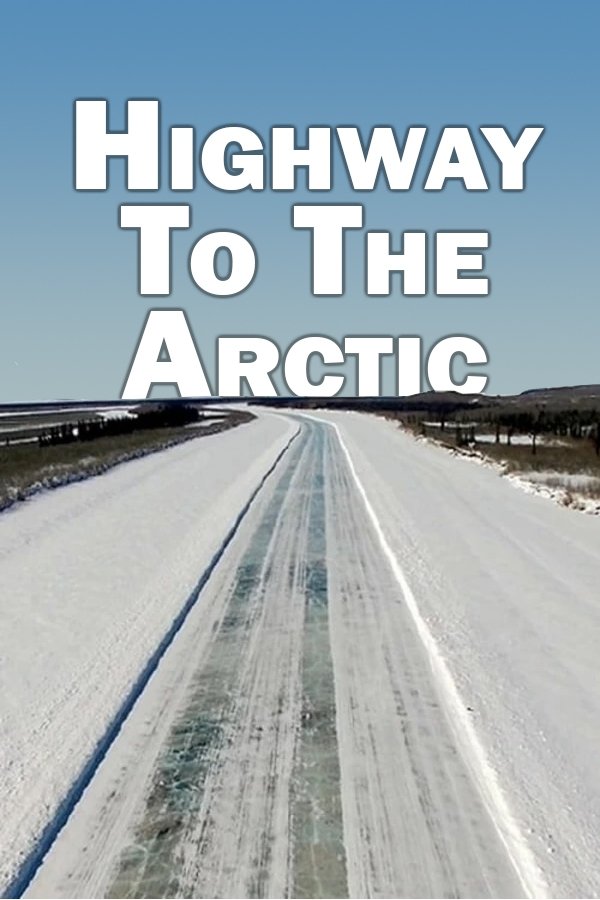
Highway to the Arctic
Documentary
Overview
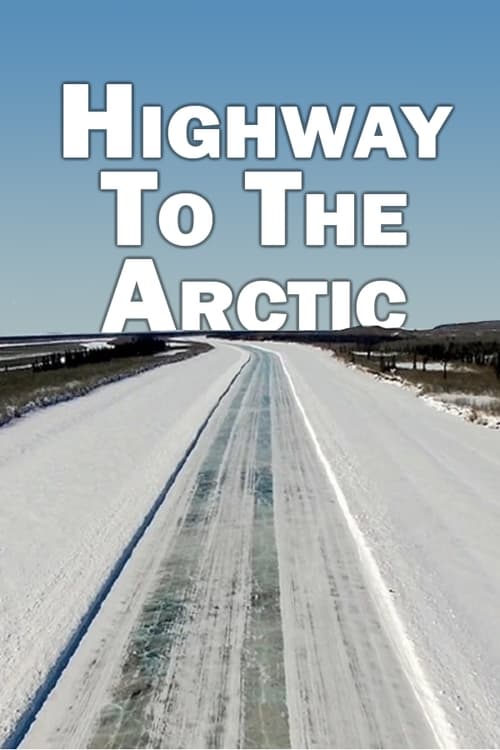
Every winter for decades, the Northwest Territories, in the Canadian Far North, changes its face. While the landscape is covered with snow and lakes of a thick layer of ice, blocking land transport, ice roads are converted to frozen expanses as far as the eye can see.
Top Cast


Kevin White
Kevin White
Narrator (voice)
Kevin White
Narrator (voice)
Similar Movies
This is not a film about gun control. It is a film about the fearful heart and soul of the United States, and the 280 million Americans lucky enough to have the right to a constitutionally protected Uzi. From a look at the Columbine High School security camera tapes to the home of Oscar-winning NRA President Charlton Heston, from a young man who makes homemade napalm with The Anarchist's Cookbook to the murder of a six-year-old girl by another six-year-old. Bowling for Columbine is a journey through the US, through our past, hoping to discover why our pursuit of happiness is so riddled with violence.
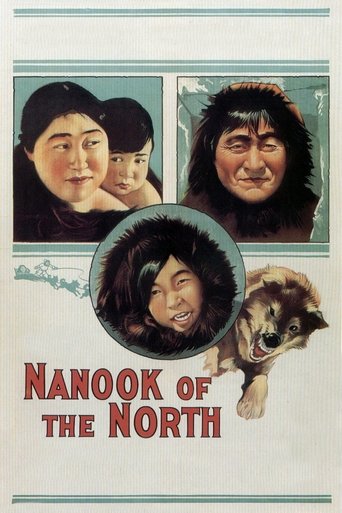
This pioneering documentary film depicts the lives of the indigenous Inuit people of Canada's northern Quebec region. Although the production contains some fictional elements, it vividly shows how its resourceful subjects survive in such a harsh climate, revealing how they construct their igloo homes and find food by hunting and fishing. The film also captures the beautiful, if unforgiving, frozen landscape of the Great White North, far removed from conventional civilization.
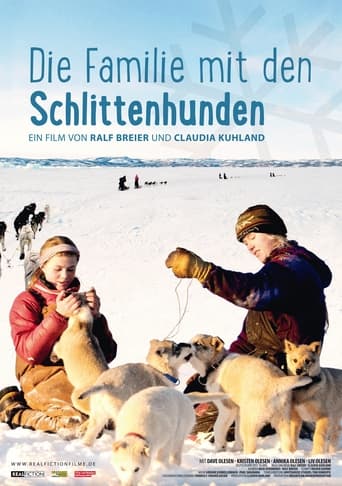
Out of love for Huskies, nature and cold winters Dave and Kristen Olesen moved from Minnesota to the North West Territories in Canada 25 years ago to create their own little universe on the magnificent East arm of Great Slave Lake. With their two daughters Annika 15 and Liv 12 and their 37 dogs, the Olesens enjoy a unique lifestyle in the wide open wilderness far away from civilization. One winter they all leave their self-built homestead with ten dogs on a two and a half thousand mile family expedition allowing Annika to run the Junior Iditarod in Alaska. As unexpected obstacles all along the trip culminate in three heavily injured dogs the whole endeavor is at risk. Optimism, love and loyalty prevail on this exciting epic family voyage.
The first of two coproductions by the British Broadcasting Corporation and the National Film Board of Canada, People of the Seal, Part 1: Eskimo Summer is compiled from some of the most vivid footage ever filmed of the life of the Netsilik Inuit in the Kugaaruk region (formerly Pelly Bay) of the Canadian Arctic. The original films of the Netsilik series attempted to recreate the traditional lifestyle of Netsilingmiut living there. They show the incredible resourcefulness of the Netsilik (People of the Seal) who have adapted to one of the world's harshest environments. Part 1: Eskimo Summer shows how Inuit families prepare for winter by hunting seal, birds and caribou and by fishing for Arctic Char during the extended hours of daylight.

A feature-length documentary which examines a deeply disturbing episode in Canadian history, when an impoverished couple was coerced by undercover law enforcement agents into carrying out a terrorist bombing. Further, viewers learn that this case is far from unique in the context of Canadian intelligence.
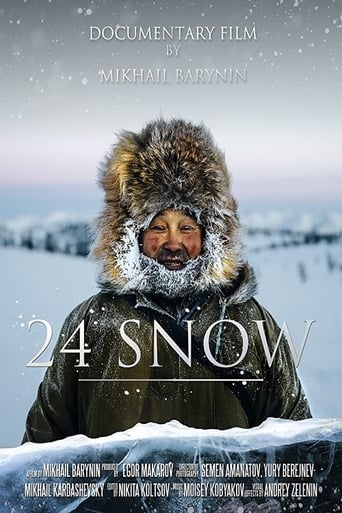
Like a lone cowboy, Sergei passionately devotes his life to traditional horse breeding in the impenetrable Arctic Sakha; permafrost and the absence of roads, electricity and channels of communication mean that there is nobody else to rely on but oneself. Sergei is sensitive and introspective; he truly cares about his family, community and treats nature with the utmost respect. He loves the independence and freedom this life brings, despite the immense sacrifices that it necessitates, such as total isolation and being a stranger to his own children. Spectacular camerawork characterizes the Sakha horses in all their magnificence, and juxtaposes the post-soviet towns and the boundless taiga landscapes, where the cold bites through the screen.
Women have always sought ways to terminate unwanted pregnancies, despite powerful patriarchal structures and systems working against them. This film provides a historical overview of how church, state and the medical establishment have determined policies concerning abortion. From this cross-cultural survey--filmed in Ireland, Japan, Thailand, Peru, Colombia, and Canada--emerges one reality: only a small percentage of the world's women has access to safe, legal operations.
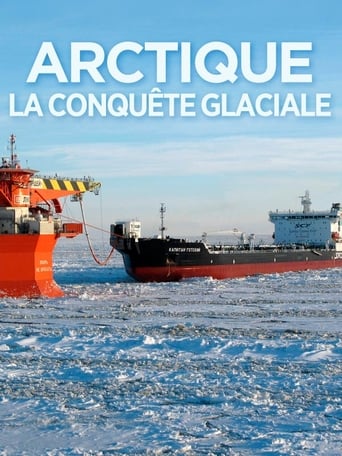
Dark fears over the North Pole. Long sheltered from large-scale industrial exploitation, the Arctic is now at risk of becoming the last El Dorado for major oil companies. This, combined with the melting of ice caused by global warming, poses enormous ecological risks: the impact of an oil spill, for example, would be incomparably more serious in this extreme climate than in any other part of the world.