


Documentary
Overview
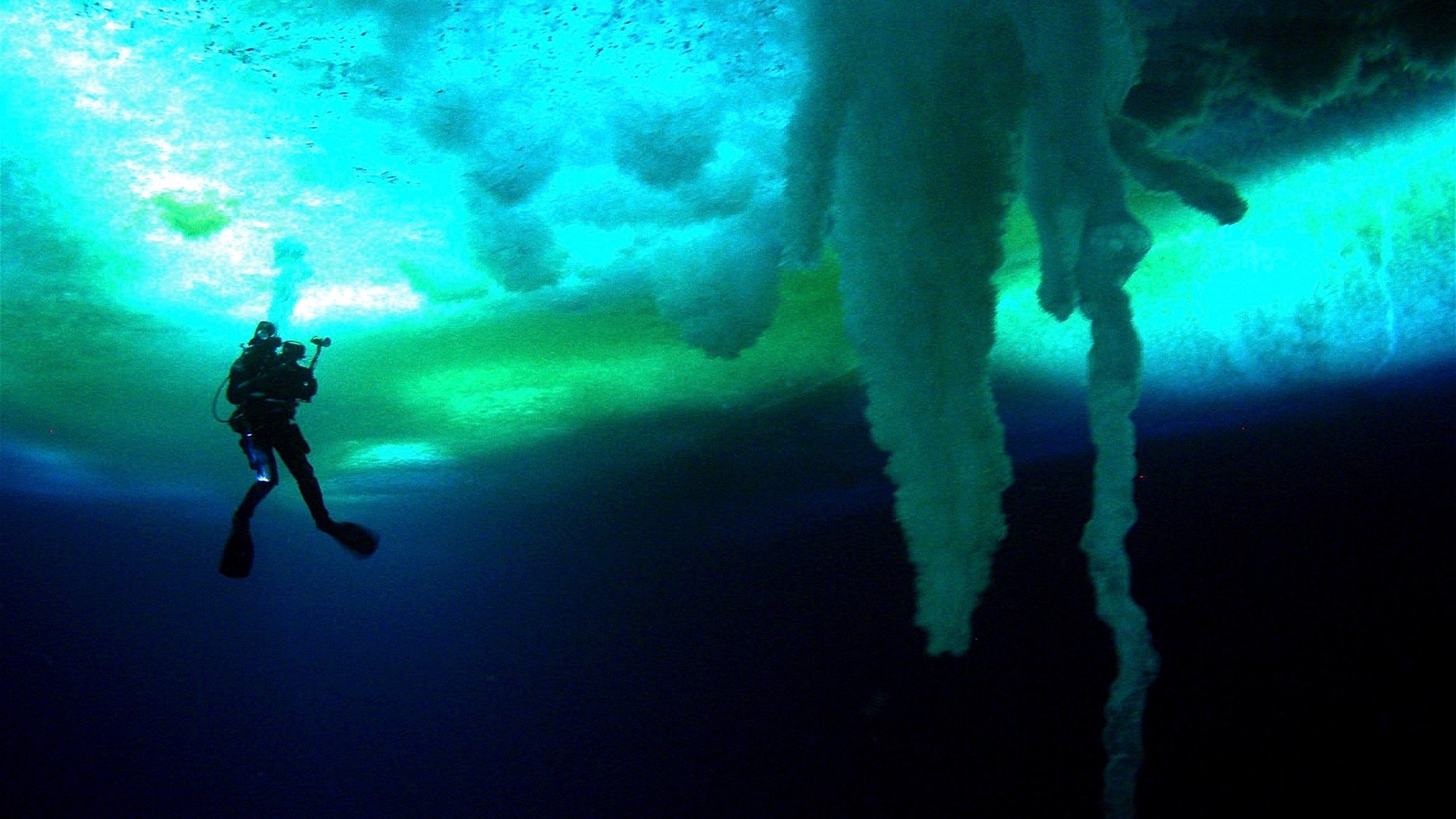
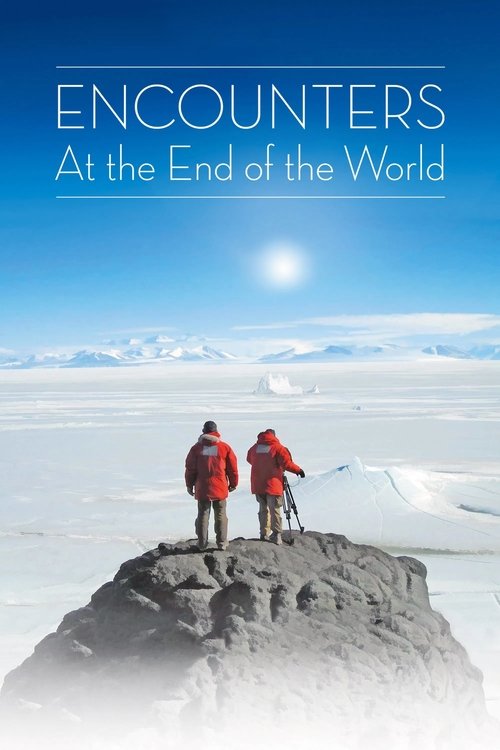
Acclaimed filmmaker Werner Herzog travels to Antarctica, where he finds a desolate, beautiful landscape, largely untouched by human hands, and a group of truly unique people who risk their lives to study it. Centered at McMurdo Station, the United States' largest Antarctic research center, Herzog explores the minds of the scientists willing to abandon civilization and endure volatile conditions to learn more about the continent's wildlife and awe-inspiring natural wonders.
Top Cast

Werner Herzog
Narrator (voice)

Clive Oppenheimer
Self - Volcanologist
Scott Rowland
Self - Transportation Dept
Stefan Pashov
Self - Philosopher, Forklift Driver
Doug MacAyeal
Self - Glaciologist
Ryan Andrew Evans
Self - Filmmaker, Cook
Kevin Emery
Self - Survival School Instructor
Olav T. Oftedal
Self - Nutritional Ecologist
Regina Eisert
Self - Physiologist
David R. Pacheco Jr.
Self - Journeyman Plumber
Samuel S. Bowser
Self - Cell Biologist
Jan Pawlowski
Self - Zoologist
Werner Herzog
Werner Herzog
Narrator (voice)
Werner Herzog
Narrator (voice)
Clive Oppenheimer
Clive Oppenheimer
Self - Volcanologist
Clive Oppenheimer
Self - Volcanologist
Scott Rowland
Scott Rowland
Self - Transportation Dept
Scott Rowland
Self - Transportation Dept
Stefan Pashov
Stefan Pashov
Self - Philosopher, Forklift Driver
Stefan Pashov
Self - Philosopher, Forklift Driver
Doug MacAyeal
Doug MacAyeal
Self - Glaciologist
Doug MacAyeal
Self - Glaciologist
Ryan Andrew Evans
Ryan Andrew Evans
Self - Filmmaker, Cook
Ryan Andrew Evans
Self - Filmmaker, Cook
Kevin Emery
Kevin Emery
Self - Survival School Instructor
Kevin Emery
Self - Survival School Instructor
Olav T. Oftedal
Olav T. Oftedal
Self - Nutritional Ecologist
Olav T. Oftedal
Self - Nutritional Ecologist
Regina Eisert
Regina Eisert
Self - Physiologist
Regina Eisert
Self - Physiologist
David R. Pacheco Jr.
David R. Pacheco Jr.
Self - Journeyman Plumber
David R. Pacheco Jr.
Self - Journeyman Plumber
Similar Movies
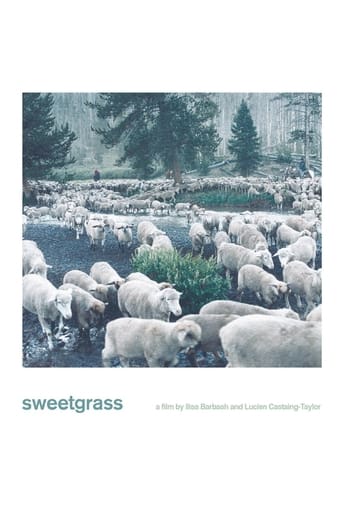
An unsentimental elegy to the American West, Sweetgrass follows the last modern-day cowboys to lead their flocks of sheep up into Montana's breathtaking and often dangerous Absaroka-Beartooth mountains for summer pasture, revealing a world in which nature and culture, animals and humans, vulnerability and violence are all intimately meshed.
In the spring of 1994, Les Stroud and Sue Jamison bade farewell to modern society and followed their hearts north, into the remote reaches of the Canadian wilderness. Leaving home, family and jobs behind, they would spend the next year living closer to the land than most of us could ever imagine. And they did it without the luxury of a single modern convenience. Les and Sue were attempting to replicate life in North American some 500 years ago, before Europeans first set foot on the continent. They created fire without matches. They built a shelter with a stone axe. They survived on what the bush provided. In doing so, they realized the true meaning of living wild, and how closely life and death coexist when you're many miles from human contact. Snowshoes and Solitude is the incredible story of Les and Sue's year in the Wabakimi wilderness. It chronicles the struggles and triumphs of the daily lives, and their burning love and respect for the natural world.
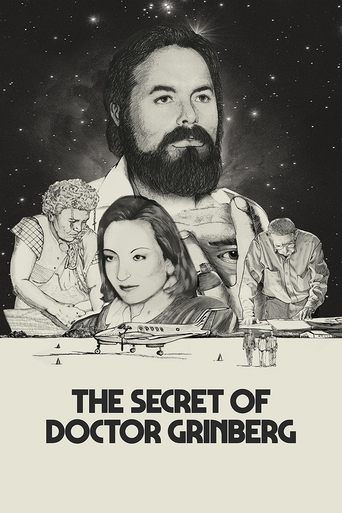
In the early nineties, Dr. Jacobo Grinberg’s career was blooming and he gained lots of international credit as a researcher in the fields of telepathy and neurophysiology at the Universidad Nacional Autonoma de Mexico. When Dr. Grinberg mysteriously disappears in 1994, the police find no trace of him. The only thing that is clear, is that all his research material, including his computers, disappeared along with him.
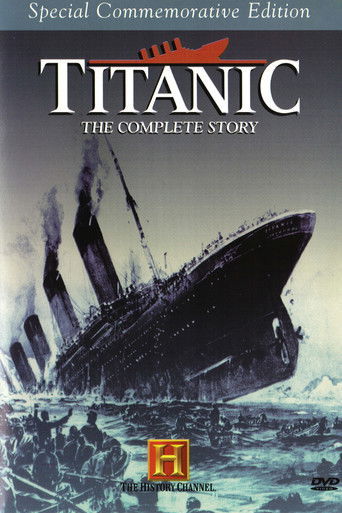
The "unsinkable" Titanic was a dream come true: four city blocks long and a passenger list worth 250 million dollars. But on her maiden voyage in April 1912, that dream became a nightmare when the giant ship struck an iceberg and sunk in the cold North Atlantic. More than 1,500 lives were lost in one of the greatest disasters of the 20th century. Now, using newsreels, stills, diaries, and exclusive interviews with survivors, Titanic: The Complete Story recounts the sensational history of the premier liner. In Part I: Death of a Dream, the largest ship ever built is christened in Ireland before a cheering crowd of 100,000. Witness the disaster this trek becomes as numerous iceberg warnings go unheeded and the ship sinks in the icy North Atlantic. In Part II: The Legend Lives On, over-packed lifeboats edge away from the crippled liner as a futile SOS signals flare into the night--leaving 1,500 passengers to a watery grave.
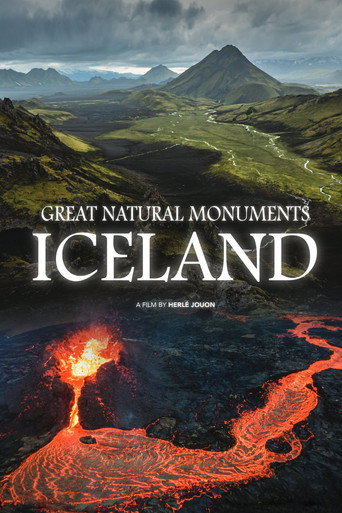
The fascinating landscape formations of Iceland in the North Atlantic bear witness to the beauty and primal power of nature. They were created through the interaction of powerful volcanic, geological and biological processes that have been changing the face of the earth for billions of years. This is what the Earth might have looked like four billion years ago. Iceland is the realm of ice and fire. Nowhere else is there such a high density of volcanoes. The landscapes, which are continually reshaped by eruptions, make the island a natural laboratory full of clues about the formation and development of the earth. The documentary follows a group of scientists through the most active areas of Iceland, along a mountain range that has emerged from the ocean. On the slopes of the volcanoes, in the fog of the fumaroles and on streams and rivers, the three researchers explore how the first forms of life populated the earth's surface and in what evolutionary steps they took over the earth.

Born in Indonesia to Victor Raoul Baron von Lawick and Isabella Sophia Baroness van Ittersum, he developed an early love for animals. He determined that film would be his medium to capture the stunning images of the Serengeti for all animal lovers. Animal researcher Jane Goodall was his wife and collaborator for many years. They wrote and produced many films together. Hugo van Lawick lived and worked on the African plains for more than thirty years. Join van Lawick on his many small and large adventures through the Serengeti, where animals play the leading role. Van Lawick received eight Emmys and numerous other awards for his extraordinary films.