

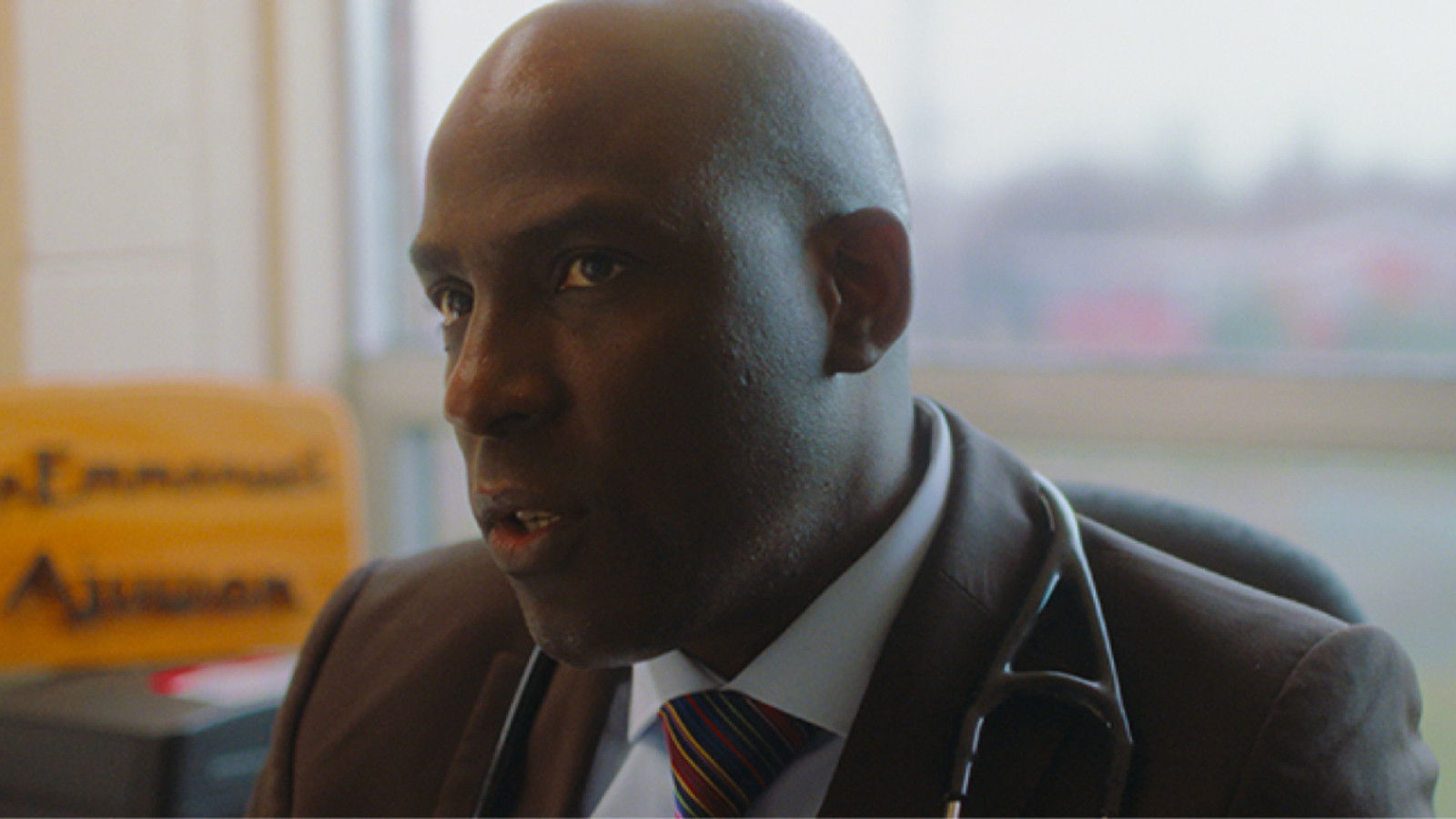
Relentless Hurdles, Resilient Hearts
Documentary
Overview
A compassionate Black immigrant physician shares his personal experience of systemic barriers and resilience required to overcome racial disparities and address critical gaps. The documentary highlights the intersectional challenges of race, immigration, and inequities in Canada's healthcare landscape and how this impacts his mental wellbeing.






No cast information.
Similar Movies
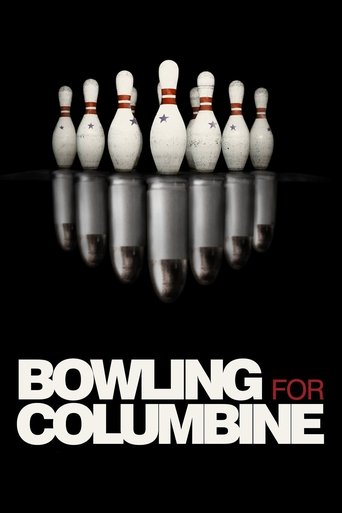
This is not a film about gun control. It is a film about the fearful heart and soul of the United States, and the 280 million Americans lucky enough to have the right to a constitutionally protected Uzi. From a look at the Columbine High School security camera tapes to the home of Oscar-winning NRA President Charlton Heston, from a young man who makes homemade napalm with The Anarchist's Cookbook to the murder of a six-year-old girl by another six-year-old. Bowling for Columbine is a journey through the US, through our past, hoping to discover why our pursuit of happiness is so riddled with violence.

December 31, 2015. The Valencian bookstore Valdeska closed its doors permanently after forty years of activity. The result of four years of monitoring and filming, these 31 minuts of run time are part of a book unread, unknown and undiscovered. "Me voy. Me voy" it's not the story of a bookstore, not the portrait of an exceptional bookseller, it's a will to attach the things in the filmed image, to make something lasting showing the moment of its disappearence.

One Thousand and One Attempts to Be an Ocean reflects on the experience of not being able to see the world with depth perception. Made up of micro-events from "satisfying video" that swarm on the internet, the abstract narrative unfolds through an appropriation way by referring to trance and minimal music. It's about a desire for groundless waves, blended with today's inexorable entropy of our information societies.

In 1967, de Andrade was invited by the Italian company Olivetti to produce a documentary on the new Brazilian capital city of Brasília. Constructed during the latter half of the 1950s and founded in 1960, the city was part of an effort to populate Brazil’s vast interior region and was to be the embodiment of democratic urban planning, free from the class divisions and inequalities that characterize so many metropolises. Unsurprisingly, Brasília, Contradições de uma Cidade Nova (Brasília, Contradictions of a New City, 1968) revealed Brasília to be utopic only for the wealthy, replicating the same social problems present in every Brazilian city. (Senses of Cinema)