

Le côté obscur de l'ampoule
Documentary






No cast information.
Similar Movies
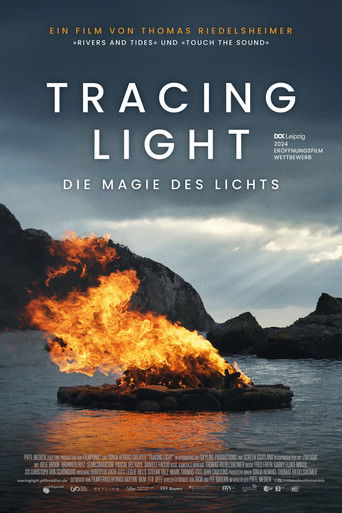
Light is a fascinating phenomenon. Without light, there would be no cinema, no film – and no life. So light is at the origin of everything, and yet it remains invisible to the eye until it hits matter. This moment is – quite literally – the starting point of Thomas Riedelsheimer’s latest work, for the springtime spectacle of rainbow shreds in the cinematographer and documentary filmmaker’s flat became the starting point of a search for the origin of the images we form of this world. For this quest he dived deep into two spheres that seem to follow different laws but always strive to fathom the magical: physics and art.

Once upon a time... consumer goods were built to last. Then, in the 1920’s, a group of businessmen realized that the longer their product lasted, the less money they made, thus Planned Obsolescence was born, and manufacturers have been engineering products to fail ever since. Combining investigative research and rare archive footage with analysis by those working on ways to save both the economy and the environment, this documentary charts the creation of ‘engineering to fail’, its rise to prominence and its recent fall from grace.
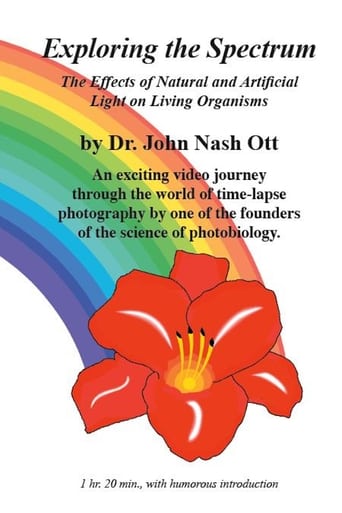
An exciting video journey through the world of time-lapse photography by one of the founders of the science of photobiology, Dr. John Nash Ott. Do fluorescent lights cause cancer and childhood learning and behavior disorders? Can long-term exposure to low-level radiation as from TV sets, computers, fluorescent lights, and similar devices harm you? Does living behind window glass and with glasses covering our eyes over years affect our health? Is natural sunlight and trace ultra-violet radiation really harmful? Or is it necessary and beneficial? How do cells, plants, and animals respond to constant exposure to different light color frequencies? These and similar questions were the subjects of Dr. Ott's pioneering investigations in the field of photobiology, using the methods of time-lapse photography.
The film discusses the evolution and potential of using light waves, particularly coherent light, for communication. It highlights the development of lasers at Bell Telephone Laboratories, explaining how they produce a highly controlled and intense beam of light that could revolutionize communication. The film emphasizes the vast possibilities of lasers, including applications in telecommunications, surgery, and exploring the universe, suggesting that this technology represents a significant step in humanity's understanding and use of light.

Diam's, the beloved icon of French rap, gave up everything at the height of her success. The young woman experienced a real descent into hell: depression, loneliness, and disillusionment in the face of suffocating fame. On the brink of disaster, she found refuge in religion. Rare archives, memorable music videos, and previously unseen testimonials reveal the violence of her success and her vital need to disappear in order to rebuild herself, choosing the shadows after the light.