

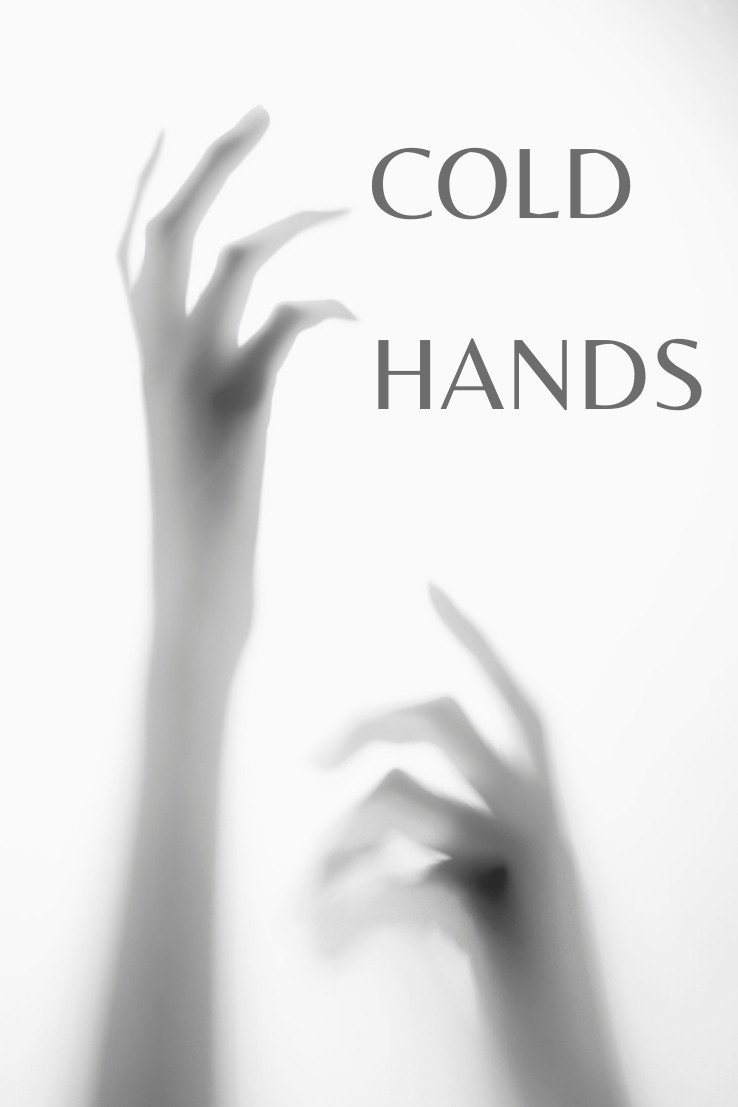
Cold Hands
Documentary
Overview
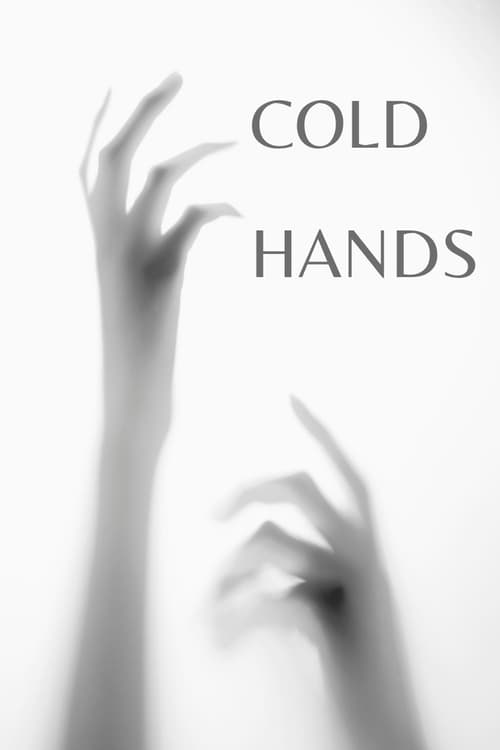
Two hands over a light.



No cast information.
Similar Movies
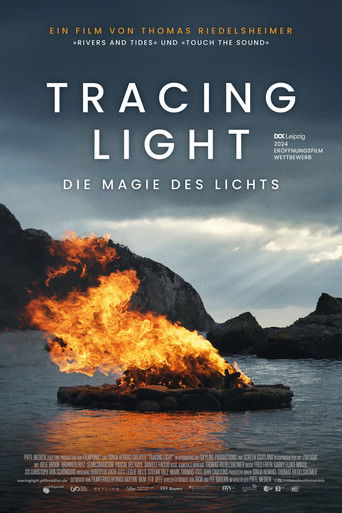
Light is a fascinating phenomenon. Without light, there would be no cinema, no film – and no life. So light is at the origin of everything, and yet it remains invisible to the eye until it hits matter. This moment is – quite literally – the starting point of Thomas Riedelsheimer’s latest work, for the springtime spectacle of rainbow shreds in the cinematographer and documentary filmmaker’s flat became the starting point of a search for the origin of the images we form of this world. For this quest he dived deep into two spheres that seem to follow different laws but always strive to fathom the magical: physics and art.
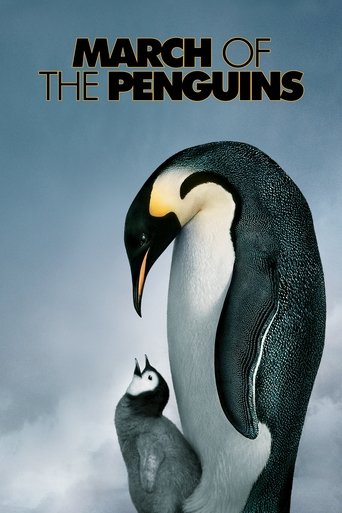
Every year, thousands of Antarctica's emperor penguins make an astonishing journey to breed their young. They walk, marching day and night in single file 70 miles into the darkest, driest and coldest continent on Earth. This amazing, true-life tale is touched with humour and alive with thrills. Breathtaking photography captures the transcendent beauty and staggering drama of devoted parent penguins who, in the fierce polar winter, take turns guarding their egg and trekking to the ocean in search of food. Predators hunt them, storms lash them. But the safety of their adorable chicks makes it all worthwhile. So follow the leader... to adventure!!
The film discusses the evolution and potential of using light waves, particularly coherent light, for communication. It highlights the development of lasers at Bell Telephone Laboratories, explaining how they produce a highly controlled and intense beam of light that could revolutionize communication. The film emphasizes the vast possibilities of lasers, including applications in telecommunications, surgery, and exploring the universe, suggesting that this technology represents a significant step in humanity's understanding and use of light.
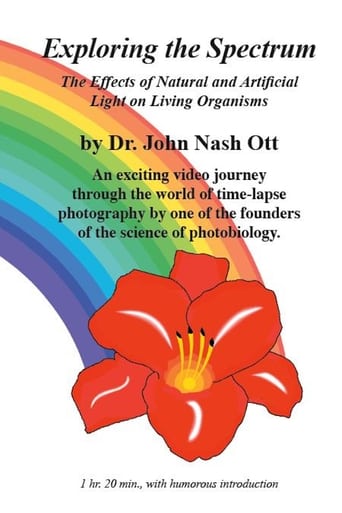
An exciting video journey through the world of time-lapse photography by one of the founders of the science of photobiology, Dr. John Nash Ott. Do fluorescent lights cause cancer and childhood learning and behavior disorders? Can long-term exposure to low-level radiation as from TV sets, computers, fluorescent lights, and similar devices harm you? Does living behind window glass and with glasses covering our eyes over years affect our health? Is natural sunlight and trace ultra-violet radiation really harmful? Or is it necessary and beneficial? How do cells, plants, and animals respond to constant exposure to different light color frequencies? These and similar questions were the subjects of Dr. Ott's pioneering investigations in the field of photobiology, using the methods of time-lapse photography.
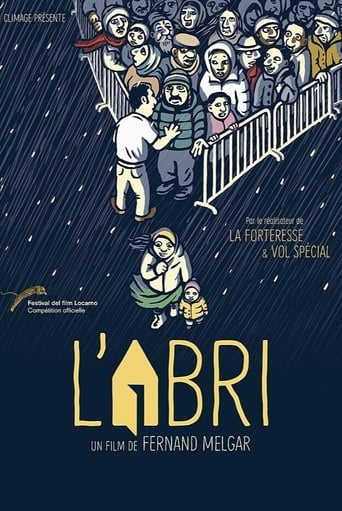
It is winter at an emergency shelter for the homeless in Lausanne. Every night at the door of this little-known basement facility the same entry ritual takes place, resulting in confrontations which can sometimes turn violent. Those on duty at the shelter have the difficult task of “triaging the poor”: the women and children first, then the men. Although the total capacity at the shelter is 100, only 50 “chosen ones” will be admitted inside and granted a warm meal and a bed. The others know it will be a long night.