

Lemon
Documentary
Overview
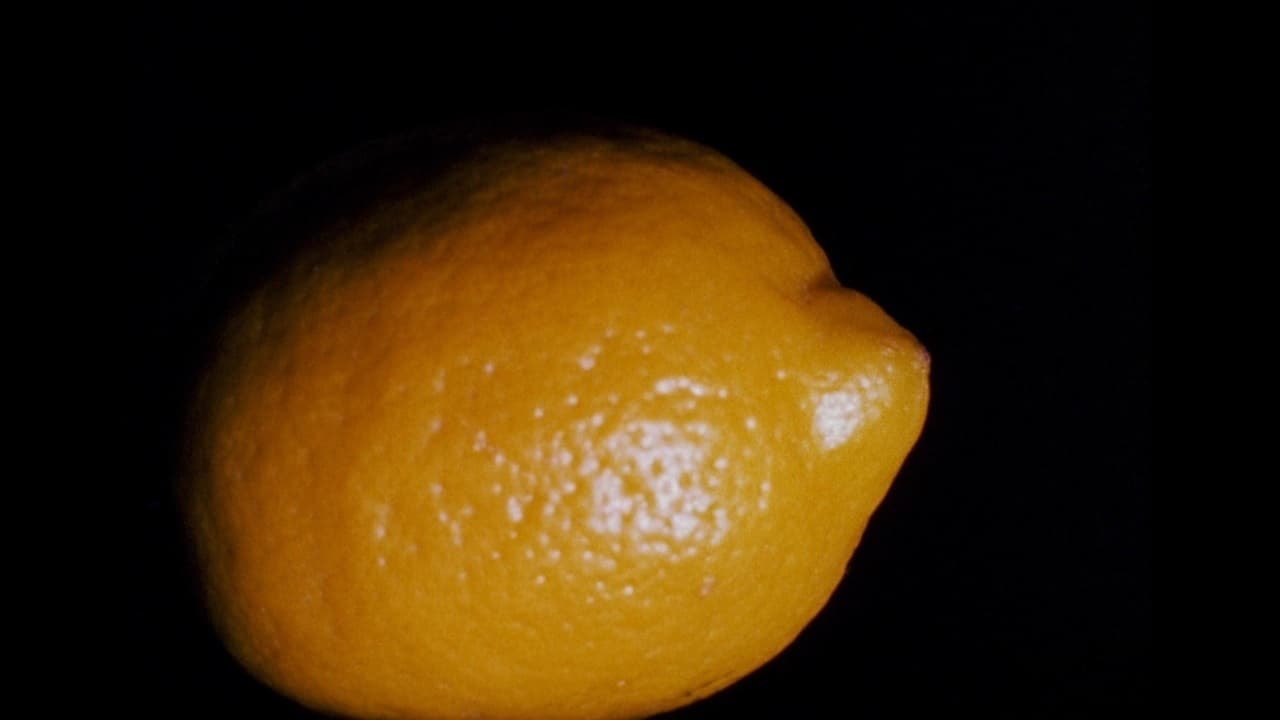
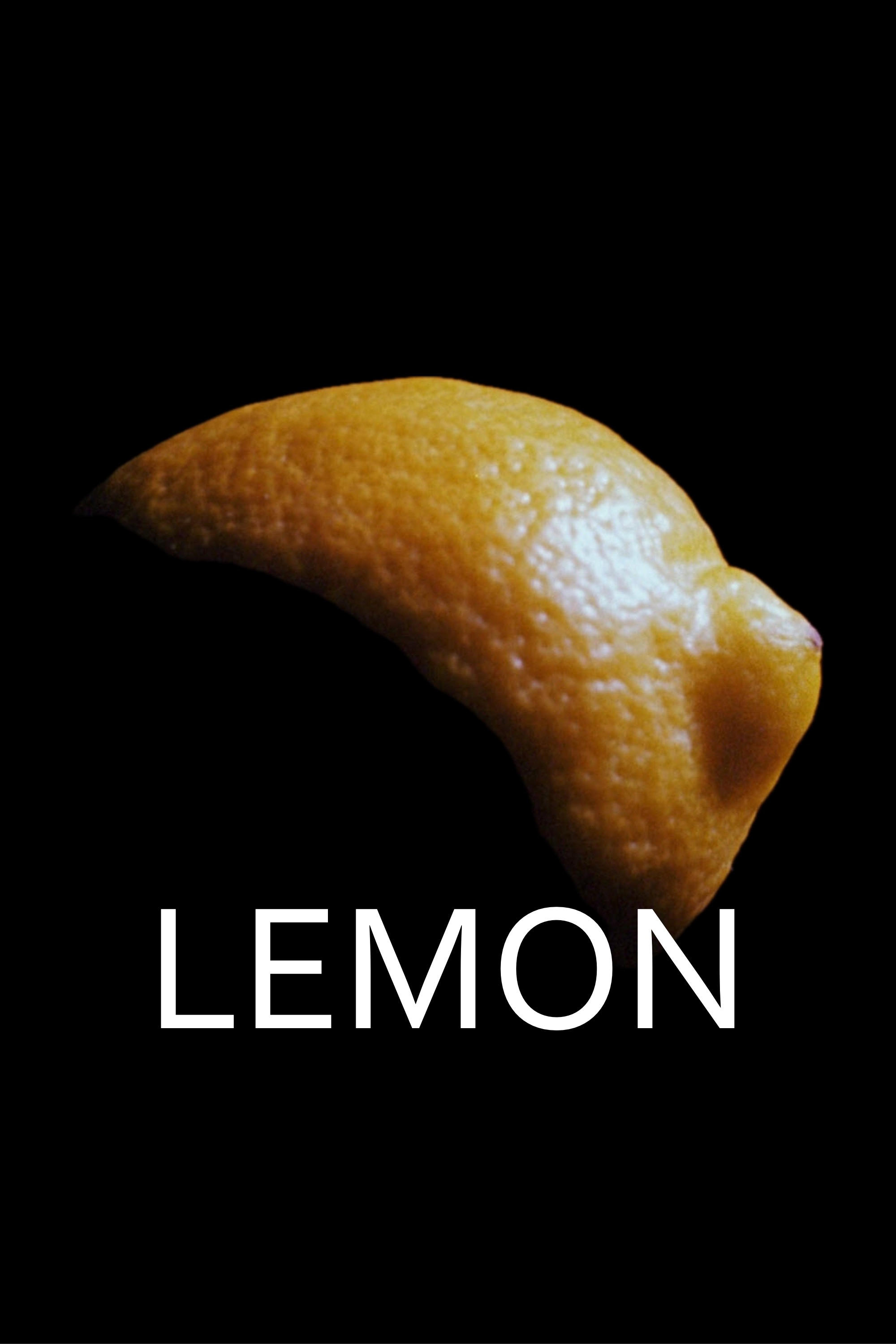
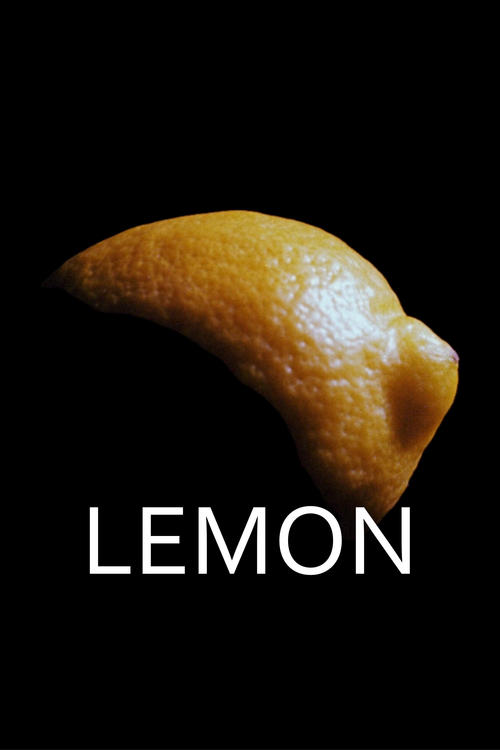
Light begins to illuminate the small, nipple-like end of a lemon on the right edge of the frame and gradually spreads until the entire lemon is clearly visible. Then the light recedes across the frame.






No cast information.
Similar Movies
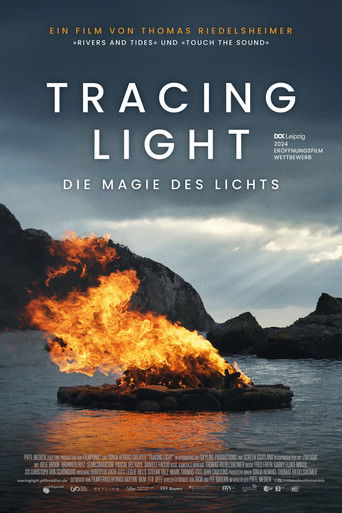
Light is a fascinating phenomenon. Without light, there would be no cinema, no film – and no life. So light is at the origin of everything, and yet it remains invisible to the eye until it hits matter. This moment is – quite literally – the starting point of Thomas Riedelsheimer’s latest work, for the springtime spectacle of rainbow shreds in the cinematographer and documentary filmmaker’s flat became the starting point of a search for the origin of the images we form of this world. For this quest he dived deep into two spheres that seem to follow different laws but always strive to fathom the magical: physics and art.
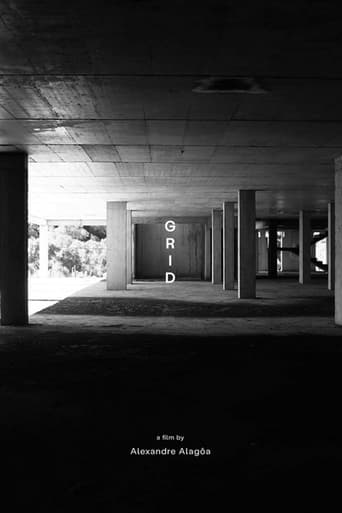
A ritual of grids, reflections and chasms; a complete state of entropy; a space that devours itself; a vertigo that destroys the gravity of the Earth; a trap that captures us inside the voids of the screen of light: «That blank arena wherein converge at once the hundred spaces» (Hollis Frampton).
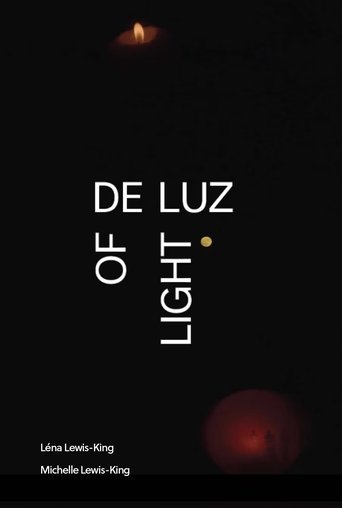
Filmed during lockdown 2020, ‘de Luz/Of Light’ explores fleeting perceptions and cyclic rituals of Portuguese coastal landscapes, specifically surrounding the Cabo Sardão Lighthouse in Beja, and constructs a complex audio-visual narrative through collaging together various natural rhythms (such as the sun and motion of the sea). This film is intended for screening with a 16:27 aspect ratio. The soundtrack was composed by sound artist Michelle Lewis-King.
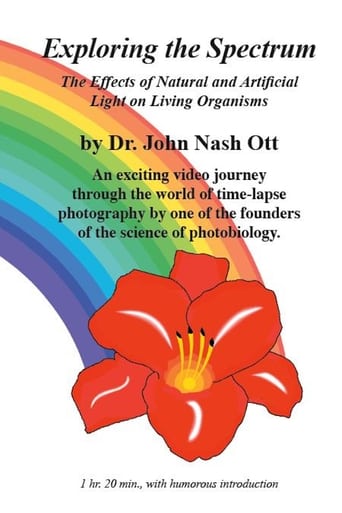
An exciting video journey through the world of time-lapse photography by one of the founders of the science of photobiology, Dr. John Nash Ott. Do fluorescent lights cause cancer and childhood learning and behavior disorders? Can long-term exposure to low-level radiation as from TV sets, computers, fluorescent lights, and similar devices harm you? Does living behind window glass and with glasses covering our eyes over years affect our health? Is natural sunlight and trace ultra-violet radiation really harmful? Or is it necessary and beneficial? How do cells, plants, and animals respond to constant exposure to different light color frequencies? These and similar questions were the subjects of Dr. Ott's pioneering investigations in the field of photobiology, using the methods of time-lapse photography.
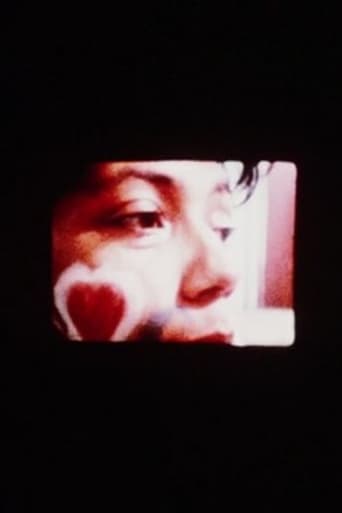
Two women in a living room: smoking, playing cards, listening to the radio. As often in Dwoskin’s films, the use of masks, make-up and costumes allows the characters to playfully transform themselves. Shot in colour film, C-film exuberates swinging London energy. In the second part of the film, the women appear to be watching the rushes of the film on an editing table. ”We are making a movie” we hear them say. As Dwoskin points out, “C-film asks how much is acting acted”, an ongoing question in Dwoskin’s cinema. Produced by Alan Power, with Esther Anderson & Sally Geeson.

A kinetic prayer and structuralist intervention. Shot entirely on an iPhone 11 in a desolate Midwest laundromat, 108 spin documents the mechanics of impermanence. The film shifts from heavy turbulence to suspended repetition—not as a path to completion, but as a study of the loop itself. Featuring a layered soundscape, the work asks the viewer to stare into the rotation until the noise becomes a mantra.
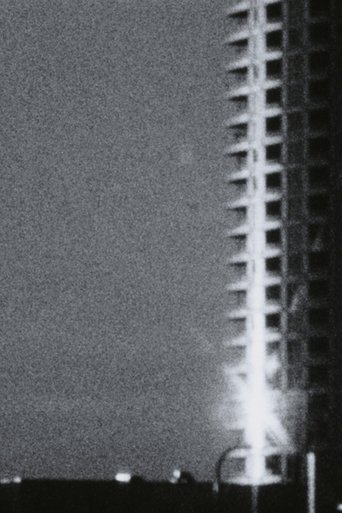
A silent dance documenting a brief visit to Minneapolis in the fall of 2022. A reflection on the sleeping city's tumultuous recent history through a recollected interaction and a plea for continued disturbance. Twin City Twist was shot on Kodak Tri-X reversal super 8 film with kaleidoscopic lenses. The film was scanned and edited digitally.
The film discusses the evolution and potential of using light waves, particularly coherent light, for communication. It highlights the development of lasers at Bell Telephone Laboratories, explaining how they produce a highly controlled and intense beam of light that could revolutionize communication. The film emphasizes the vast possibilities of lasers, including applications in telecommunications, surgery, and exploring the universe, suggesting that this technology represents a significant step in humanity's understanding and use of light.