

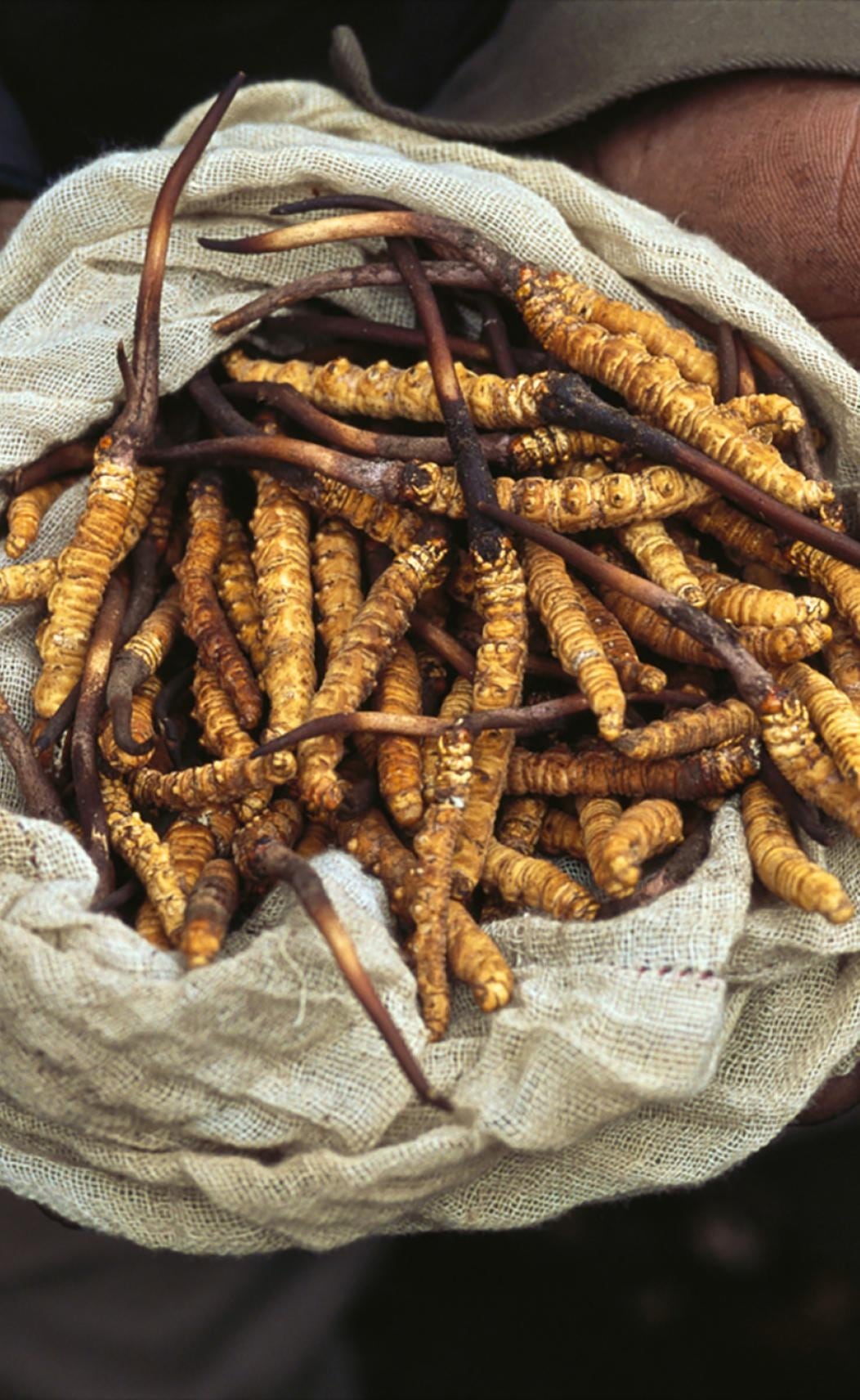
Yarsagumbu, l'or de l'Himalaya
Documentary
Overview
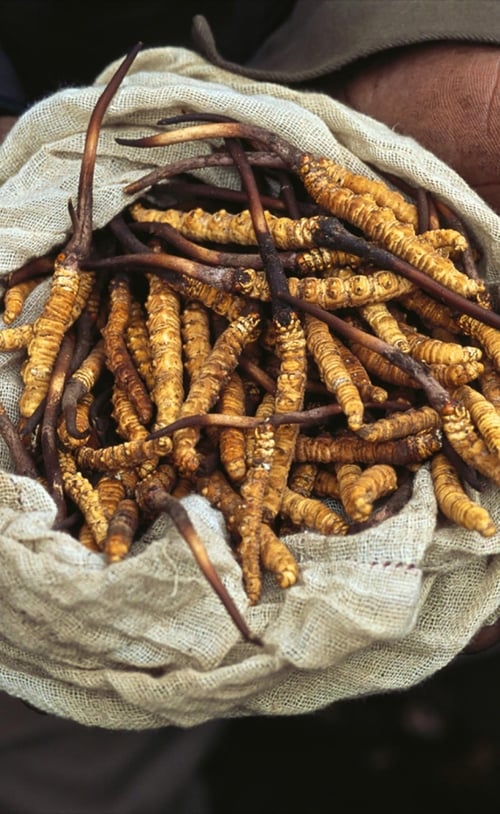
Every spring, tens of thousands of men, women and children leave their villages for a dangerous trek to the high Himalaya to collect Yarsagumbu, a mysterious transmutation between plant and insect. Used in Chinese medicine, it is worth up to 60 000 USD a kilo, more than gold.






Andrew Ng
Andrew Ng
Andrew Ng
Dhan Shandra
Dhan Shandra
Dhan Shandra

Jacques Gamblin
Jacques Gamblin
Jacques Gamblin
Similar Movies
Satyajit Ray's poetic documentary was commissioned by the Chogyal (King) of Sikkim at a time when he felt the sovereignty of Sikkim was under threat from both China and India. Ray's documentary is about the sovereignty of Sikkim. The film was banned by the government of India when Sikkim merged with India in 1975. The ban was finally lifted by the Ministry of External Affairs in September 2010. Preserved by the Academy Film Archive in 2007.
The documentary film Art of Freedom answers the most poignant questions on the phenomenon of Polish expeditions to the Himalayas. Poles have reigned the highest mountaintops of the world for more than 20 years. They not only set down new trails, but new rules of behavior. They set themselves apart with an original style of climbing, endurance, conscientiousness about the overall well-being of the team - and solidarity.
John Bishop and Naomi Bishop present a portrait a peculiar life style of the Himalayan indigenous Sherpa people in their documentary , the Himalayan Herders. The 76 minutes long film is about the diverse culture and life style of herders community near Mt. Everest region of Nepal.The film was made in 1997 as a part of Case Studies in Cultural Anthropology Series.
The epic 1500km bivouac flight of Damien Lacaze and Antoine Girard, two French paragliders and mountaineers, through the heart of the Himalayas and the Karakoram ranges. This journey is actually a prelude and acclimatization for their attempt to climb Spantik (7027m) from the nearest town in two days, using only paragliders. Is it truly feasible? What are the limitations of such an ascent? Can they earn a living from it?
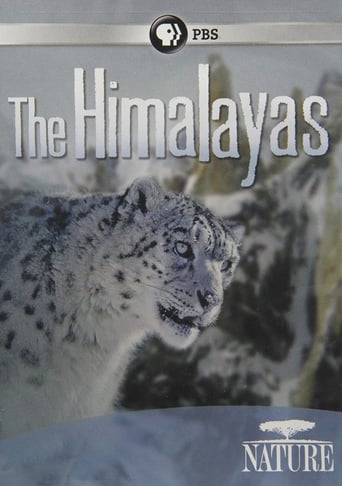
The highest mountain range in the world, the Himalayan range is far reaching, spanning thousands of miles, and holds within it an exceptionally diverse ecology. Coniferous and subtropical forests, wetlands, and montane grasslands are as much a part of this world as the inhospitable, frozen mountaintops that tower above. The word Himalaya is Sanskrit for abode of snow, fitting for a stretch of land that houses the world’s largest non polar ice masses. Extensive glacial networks feed Asia's major rivers including the Ganges, Indus, and Brahmaputra. More than a billion people rely on these glacier-fed water sources for drinking water and agriculture. The Himalayas are not only a remarkable expanse of natural beauty. They're also crucial for our survival.
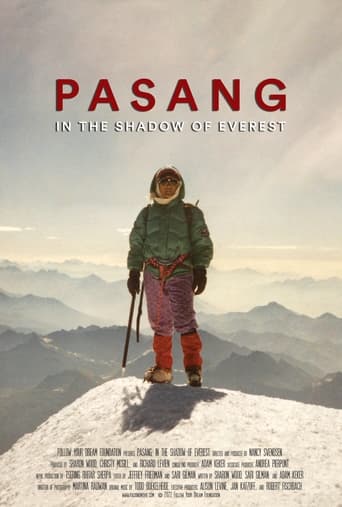
Transcending cultural barriers and consistently going against the grain, female Nepali climber Pasang Lhamu Sherpa attempted to summit Everest four times in the early nineties. Although she was not allowed to attend school as a child, Pasang did not let that stop her from pursuing her dreams. After founding her own trekking company in Kathmandu, she blazed a trail for Nepali women via her efforts to summit Everest. Proving how big you can dream and how far you can go to achieve those dreams, she left a legacy not only for the family she has left behind, but for the myriad women following in her footsteps.