

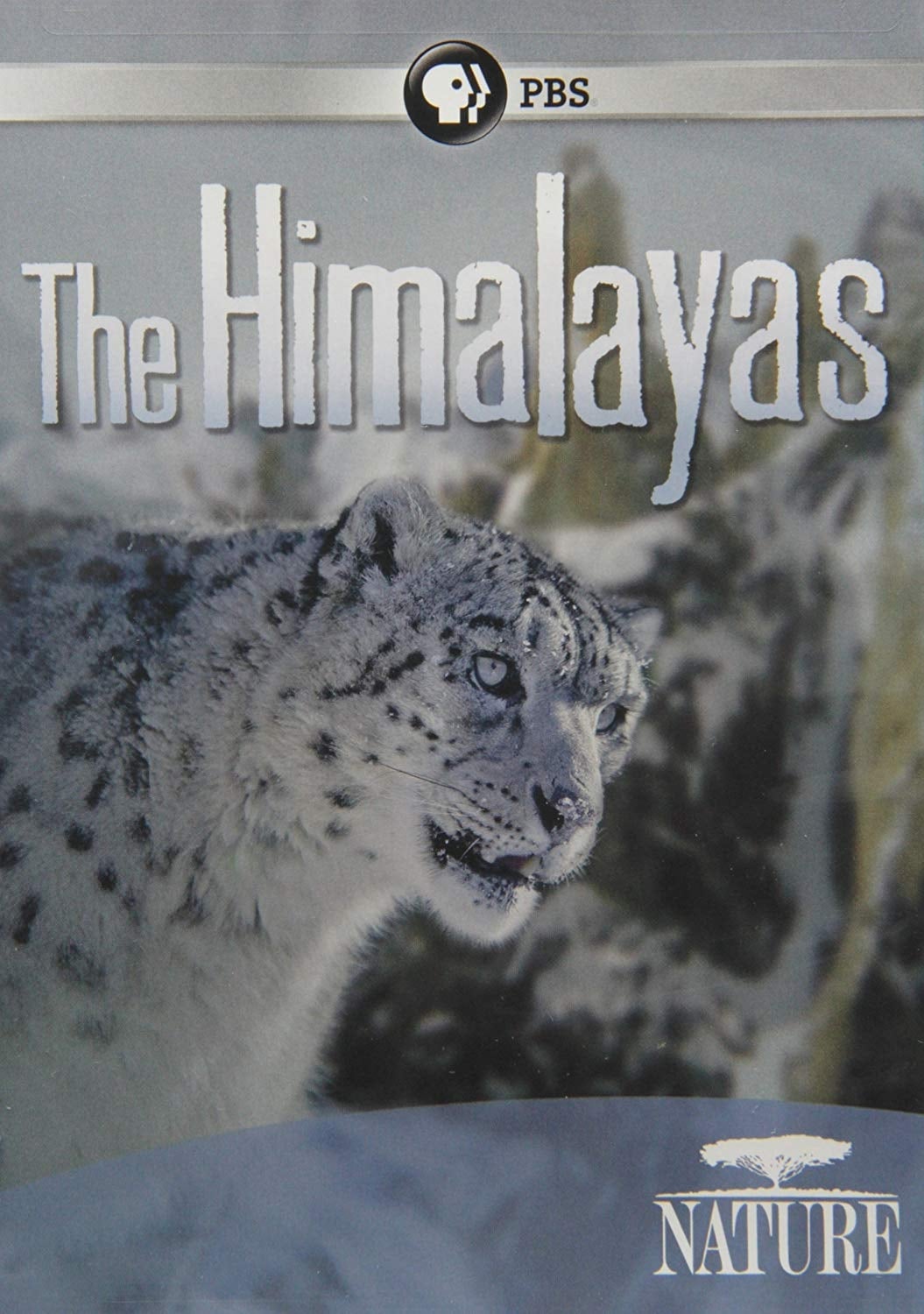
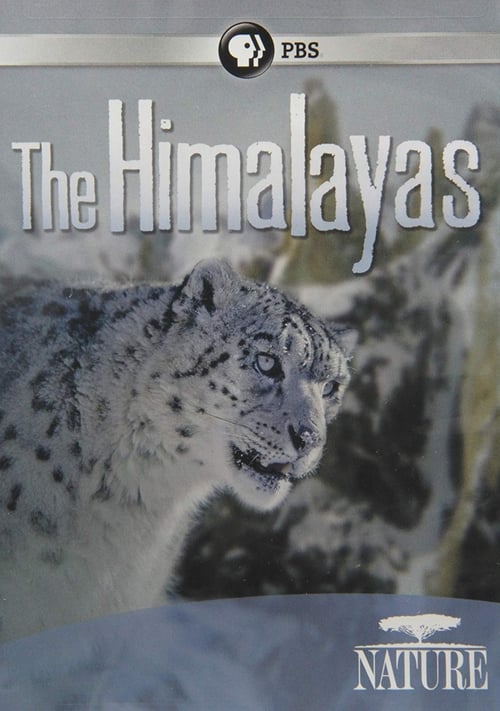
The Himalayas
Documentary · TV Movie
Overview
The highest mountain range in the world, the Himalayan range is far reaching, spanning thousands of miles, and holds within it an exceptionally diverse ecology. Coniferous and subtropical forests, wetlands, and montane grasslands are as much a part of this world as the inhospitable, frozen mountaintops that tower above. The word Himalaya is Sanskrit for abode of snow, fitting for a stretch of land that houses the world’s largest non polar ice masses. Extensive glacial networks feed Asia's major rivers including the Ganges, Indus, and Brahmaputra. More than a billion people rely on these glacier-fed water sources for drinking water and agriculture. The Himalayas are not only a remarkable expanse of natural beauty. They're also crucial for our survival.
Top Cast







Chris Morgan
Chris Morgan
Narrator
Chris Morgan
Narrator
Similar Movies
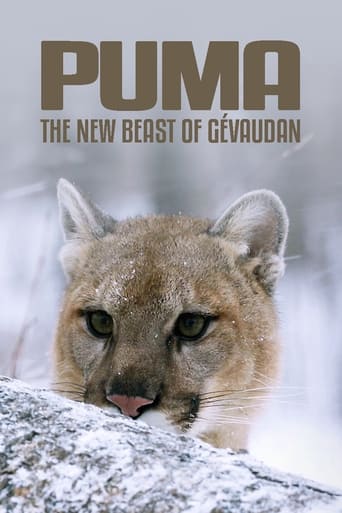
In the heart of southern France there is a fog-prone area where, according to legend, a bloodthirsty creature wreaked havoc 250 years ago. A rumor is spreading again in this legendary place, as eyewitnesses report an animal with large paws and a long tail that crosses roads in a single leap - powerful enough to tear down a horse and leave it mutilated in the pasture. Is the Beast of Gévaudan back? The animal photographer Bruno Loisel has a supposedly more rational explanation. The animal that fits the descriptions could be a cougar, but this species of big cat is only native to America. In order to learn the proper techniques for tracking down the puma, he travels to Canada, where he accompanies a team of researchers dedicated to studying the shy, almost invisible predator. Will Bruno be able to use his findings to solve the mystery of the new beast of Gévaudan?
Climate change has reached the indigenous Nenets people in the north of Siberia. The nomads' herds of reindeer move on thin ice. The warming in the Russian Arctic is becoming dramatically visible. Huge craters open in the thawing permafrost and expose dangerous viruses and bacteria. Forest floors dry out and the taiga catches on fire. The pack ice off the coast is melting and depriving polar bears of their habitat so that they approach human settlements in their desperation. The changes in the nature of the Arctic Circle combine with the measurements of researchers and observations of the indigenous people to form a disturbing overall picture: In the Russian Arctic, Pandora's box has been opened! The film team had the chance to shoot in regions that were been restricted areas for decades. The documentary shows in impressive and depressing images already existing effects, phenomena and ominous interlinkages of global warming.
A teaching film for social studies, which was developed as a new educational subject in 1947. At an elementary school in Hokkaido, children have started a fly extermination campaign to improve school hygiene. In order to eliminate the causes of flies, the entire town is working to improve the sanitary environment. The short was filmed with the cooperation of Mizukaido Elementary School in Joso City and is the first film in the "Social Studies Teaching Film System" by Iwanami Film Productions.
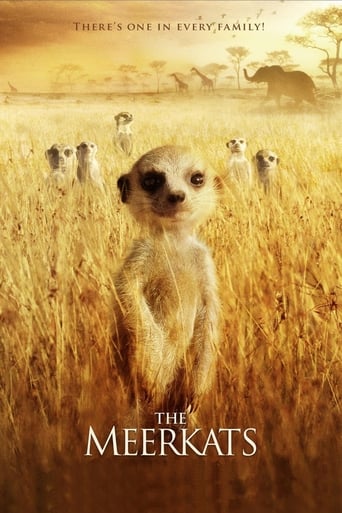
A coming of age story following a young meerkat pup, Kolo, growing up in the Kalahari desert; and an inspiring look at how one family's connection to each other and their surroundings is a model of resilience and fortitude for us all. Shot using ground-breaking techniques, this dramatised documentary is a one-of-a-kind presentation from The Weinstein Company and the BBC, featuring narration by Paul Newman.
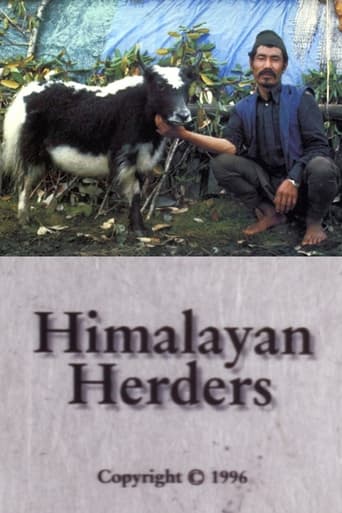
John Bishop and Naomi Bishop present a portrait a peculiar life style of the Himalayan indigenous Sherpa people in their documentary , the Himalayan Herders. The 76 minutes long film is about the diverse culture and life style of herders community near Mt. Everest region of Nepal.The film was made in 1997 as a part of Case Studies in Cultural Anthropology Series.