

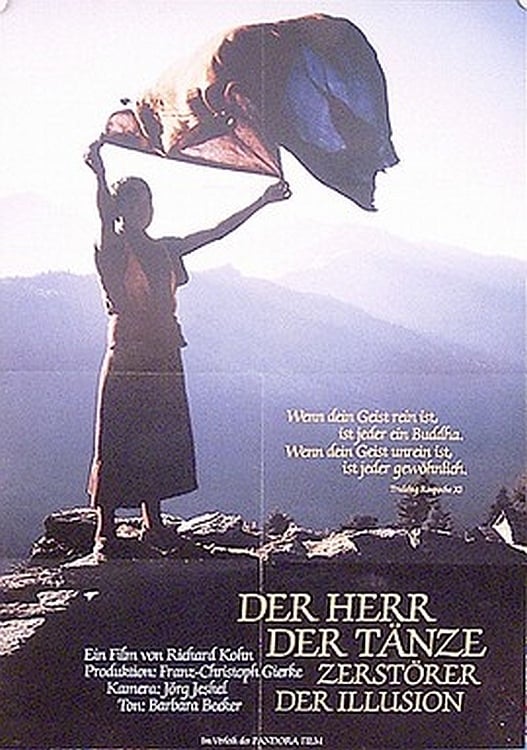
Lord of the Dance/Destroyer of Illusion
Documentary
Overview
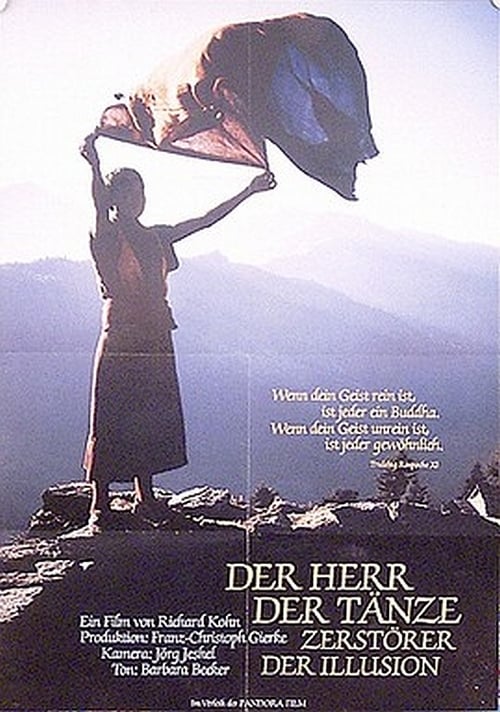
The documentary focuses on the annual Mani Rimdu festival of Tibet and Nepal, an event which encapsulates the Himalayan Buddhist experience.
Trulshig Rinpoche
Trulshig Rinpoche
himself
Trulshig Rinpoche
himself
Richard Gere
Richard Gere
Narrator (English language version)
Richard Gere
Narrator (English language version)

Peter Hudson
Peter Hudson
Narrator
Peter Hudson
Narrator
Similar Movies
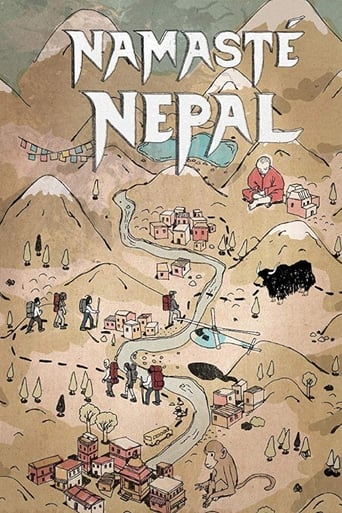
American high school students from the privileged Silicon Valley travel to Manang, Nepal in this documentary about how travel and life experiences can change personal perceptions. Together with a group of Manangi high schoolers, the students expand their cultural knowledge and experience a slice of life as a citizen of the globe.
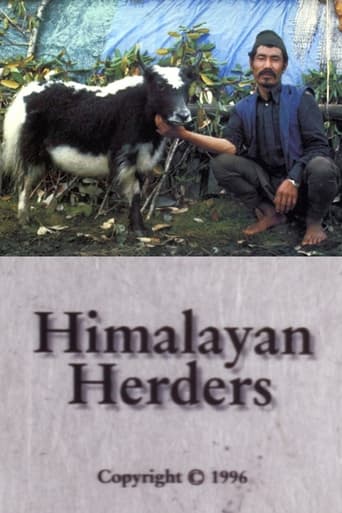
John Bishop and Naomi Bishop present a portrait a peculiar life style of the Himalayan indigenous Sherpa people in their documentary , the Himalayan Herders. The 76 minutes long film is about the diverse culture and life style of herders community near Mt. Everest region of Nepal.The film was made in 1997 as a part of Case Studies in Cultural Anthropology Series.
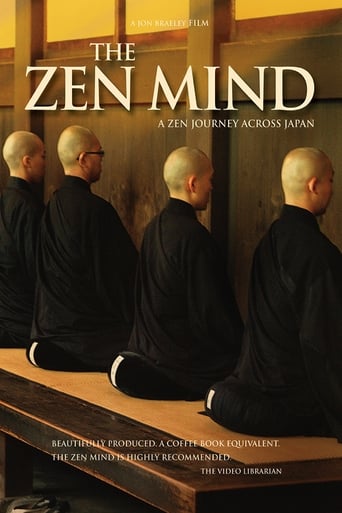
In the last fifty years the culture of Zen has spread far beyond Japan. Zen centers and zen retreats have sprung up throughout America and Europe. When Dogen, the founder of Soto Zen, brought Zen to Japan from China 800 years ago, it quickly took root and became an integral part of Japanese life. Yet what do we know about zen practice in Japan today? The Zen Mind is a fascinating journey across Japan to explore zen in its natural habitat.
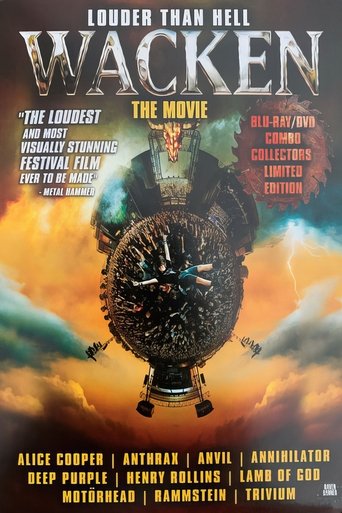
Wacken Open Air is the biggest 3-day-rock- and metal-festival in the world. It's three days of raw energy, non-stop Heavy Metal music at full blast and 80.000 fans on a party frenzy. A true legend, taking place annually since 1990 in the sleepy German country town of Wacken, it attracts fans from all over the world. It was released on 24th of December 2014 on dvd, blu ray and 3D blu ray.
After World War II a group of young writers, outsiders and friends who were disillusioned by the pursuit of the American dream met in New York City. Associated through mutual friendships, these cultural dissidents looked for new ways and means to express themselves. Soon their writings found an audience and the American media took notice, dubbing them the Beat Generation. Members of this group included writers Jack Kerouac, William Burroughs, Allen Ginsberg. a trinity that would ultimately influence the works of others during that era, including the "hippie" movement of the '60s. In this 55-minute video narrated by Allen Ginsberg, members of the Beat Generation (including the aforementioned Burroughs, Anne Waldman, Peter Orlovsky, Amiri Baraka, Diane Di Prima, and Timothy Leary) are reunited at Naropa University in Boulder, CO during the late 1970's to share their works and influence a new generation of young American bohemians.
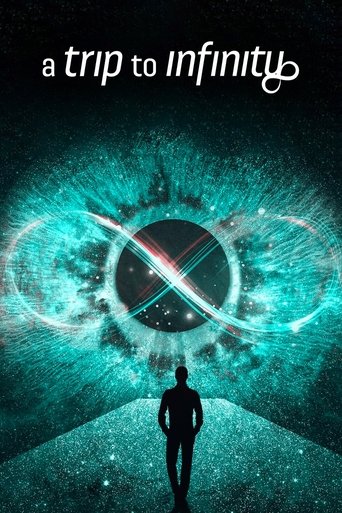
Does infinity exist? Can we experience the Infinite? In an animated film (created by artists from 10 countries) the world's most cutting-edge scientists and mathematicians go in search of the infinite and its mind-bending implications for the universe. Eminent mathematicians, particle physicists and cosmologists dive into infinity and its mind-bending implications for the universe.
Street art, creativity and revolution collide in this beautifully shot film about art’s ability to create change. The story opens on the politically charged Thailand/Burma border at the first school teaching street art as a form of non-violent struggle. The film follows two young girls (Romi & Yi-Yi) who have escaped 50 years of civil war in Burma to pursue an arts education in Thailand. Under the threat of imprisonment and torture, the girls use spray paint and stencils to create images in public spaces to let people know the truth behind Burma's transition toward "artificial democracy." Eighty-two hundred miles away, artist Shepard Fairey is painting a 30’ mural of a Burmese monk for the same reasons and in support of the students' struggle in Burma. As these stories are inter-cut, the film connects these seemingly unrelated characters around the concept of using art as a weapon for change.