

Wheat Cycle
Documentary
Overview
The people and their labor are bound to the land in the cycle of activities to the sowing to the harvesting of wheat. Without narration or subtitles, the film conveys a sense of unity between the people and the land. Filmed in the Balkh Province, an area inhabited by Tajik and other Central Asian peoples. The town of Aq Kupruk is approximately 320 miles northwest of Kabul. The theme of the film focuses on rural economics. The film and accompaning instructor notes focus on herding, and fishing under diverse environmental conditions. The impact of technological change, human adaptation, and governmental extension of market systems are parallel themes.


No cast information.
Similar Movies
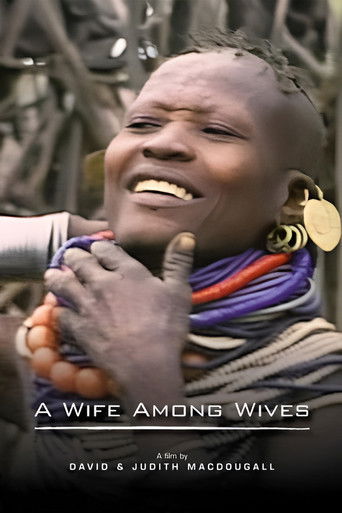
David and Judith MacDougall are exploring the marriage rituals and roles of Turkana women in this ethnographic documentary. The film's biggest part is taken up by talks between the Turkana people. As one of the first ethnographic documentaries "A Wife Among Wives" subtitles these talks so that the viewer can get a better and probably more personal understanding of the life of the Turkana.

Paul and Phyllis van Amburgh, believing that a small, family farm is the best place to raise their children, take their life savings and buy a defunct dairy. With three children and a fourth on the way and armed only with their principles and determination, they fight to defy the odds as they become full time farmers. THE FIRST SEASON, through an intimate, cinema verite style, bears witness to the Van Amburgh's struggle as they fight against relentless toil, financial ruin and the harsh reality of diary farming to achieve their version of the American dream.
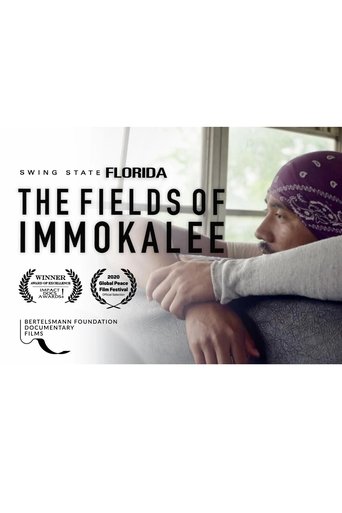
For decades, migrant workers have worked the fields of Immokalee, harvesting tomatoes, peppers, eggplants, oranges and other produce that is then shipped across the United States of America. Many of the workers are undocumented, and attempting to keep their jobs even as federal migration crackdowns hover over the town. The Fields of Immokalee film follows the daily lives of tomato workers, from the 5:00am trips to the parking lot in hopes of finding day labor, to work sessions in the scorching mid-day heat, to child detention centers for migrant youth that have been separated from their families. Via these vignettes, the film offers insight into the most volatile political issue of our time.
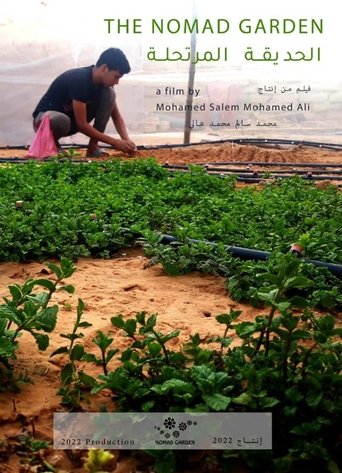
Sahrawi artist and visual poet Mohamed Sleiman Labat follows the story of the emerging phenomenon of small scale family gardens in his local community in the Hamada Desert. The film features the story of four families in Samara Camp with small scale gardens, their practices and the knowledge they develop as part of their practices in the garden. The camps are located in a very harsh environment with extreme climate conditions, and the Sahrawi are still dependent on international food aid.