

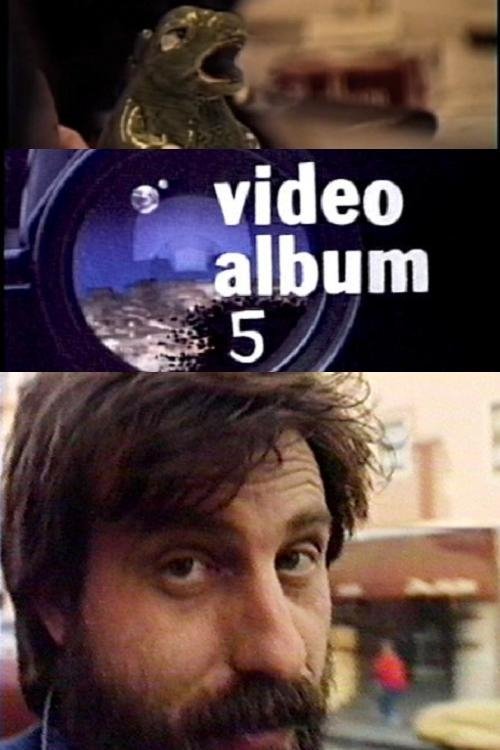
Video Album 5: The Thursday People
Documentary
Overview
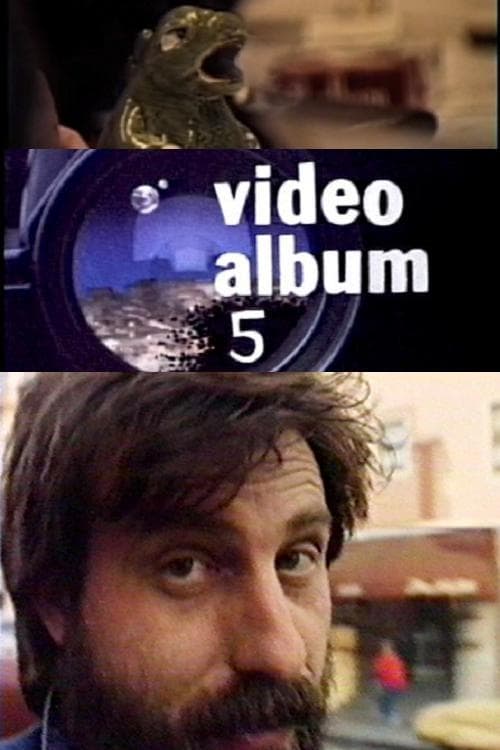
The comings and goings of the late underground filmmaker, Curt McDowell—and the people and activities that came and went along with him—are the themes that run through this existential diary of daily life. McDowell was dying from AIDS-related illnesses during the production of the diary. “An elegy for McDowell, the videowork captures Kuchar’s mournful remembrances of his long-lasting friendship with the young filmmaker. But it also has the inquisitive charm, perverse humor, and quirky candor that places Kuchar’s visual expressions in a gritty niche all their own.”

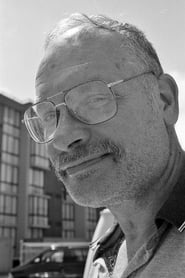
George Kuchar
George Kuchar
George Kuchar
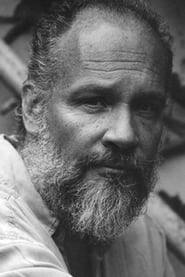
Mike Kuchar
Mike Kuchar
Mike Kuchar
Curt McDowell
Curt McDowell
Curt McDowell
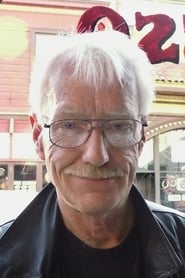
Mark Ellinger
Mark Ellinger
Mark Ellinger
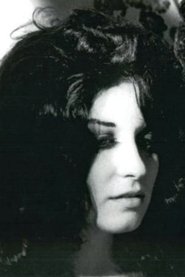
Melinda McDowell
Melinda McDowell
Melinda McDowell
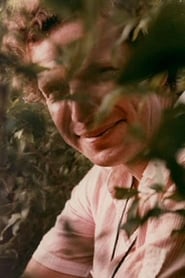
Larry Gottheim
Larry Gottheim
Larry Gottheim
Similar Movies

Jonas Mekas assembles 160 portraits, appearances, and fleeting sketches of underground and independent filmmakers captured between 1955 and 1996. Fast-paced and archival in spirit, the film celebrates the avant-garde as its own “nation of cinema,” a vital community existing outside the dominance of commercial film.
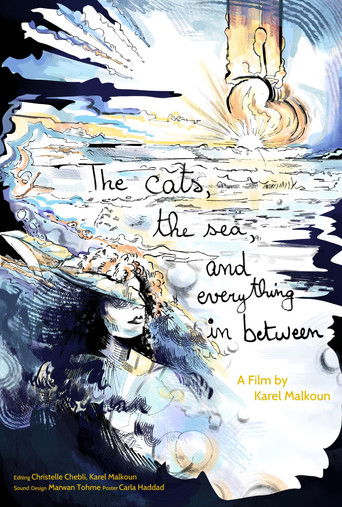
In 2022, when the economic crisis in her native country was at its peak, she decided to visit her family there. She turned her short trip into a collage-like diary in which she reflects on her relationship with her homeland, which is in a state of protracted decay. The film is composed of spontaneous snapshots capturing the author's stay, interspersed with inserted captions serving as personal, often poetically formulated comments and observations. As a result, the film does not hide its strongly subjective perspective, but at the same time builds on it to make an important statement that shows the transformation of Lebanese society in everyday details such as the appearance of the city itself or in the intimate sphere of the author's family life.
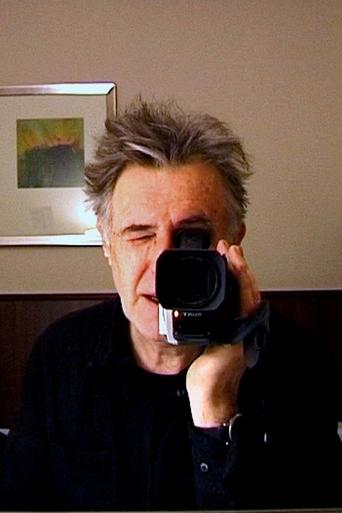
Made over six years in the hotels of six different countries, Hotel Diaries charts the 'War on Terror' era of Bush and Blair through a seven-part series of video recordings that relate personal experiences to the ongoing conflicts in Afghanistan, Iraq and Israel/Palestine. In these works, which play upon chance and coincidence, hotel rooms are employed as 'found' film sets, where architecture, furnishing and decoration become the means by which the filmmaker’s small adventures are linked to major world events.
Also known as Walden, Jonas Mekas’s first diary film is a six-reel chronicle of his life in 1960s New York, interweaving moments with family, friends, lovers, and artistic idols. Blending everyday encounters with portraits of the avant-garde art scene, it forms an epic, personal meditation on community, creativity, and the passage of time.
Homeo is a mental construction made from visual reality, just as music is made from auditive reality. I put in this film no personal intentions. All my intentions are personal. I’ve made this film thinking of what the audience would have liked to see, not something specific that I wanted to say: what the film depicts is above all reality, not fiction. Homeo is, for me, the search for an autonomous cinematographic language, which doesn't owe anything to traditional narrative, or maybe everything. Cinema is, above all, part of a way of life which will become more and more self-assured in the years and century to come. We are part of this change, and that’s why I tried in Homeo to establish a series of perpetual changes, in constant evolution or regress, which tries, above all, to focus on things.
One of the very few films made by Etienne O'Leary, all of which emerged from the French underground circa 1968 and can be very loosely designated 'diary films.' Like the contemporaneous films by O'Leary's more famous friend Pierre Clementi, they trippily document the drug-drenched hedonism of that era's dandies. O'Leary worked with an intoxicating style that foregrounded rapid and even subliminal cutting, dense layering of superimposed images and a spontaneous notebook type shooting style. Yet even if much of O'Leary's material was initially 'diaristic,' depicting the friends, lovers, and places that he encountered in his private life, the metamorphoses it underwent during editing transformed it into a series of ambiguously fictionalized, sometimes darkly sexual fantasias. - Experimental Film Club
Filmmaker Jon Beaton has always felt like an outsider. When TikTok’s powerful algorithm starts sending him content from the app’s autistic community, he has an epiphany – could this explain everything? My Diagnosis explores the tension between self-diagnosis and institutional validation through an intimate blend of personal vlogs and fictionalised recreations.
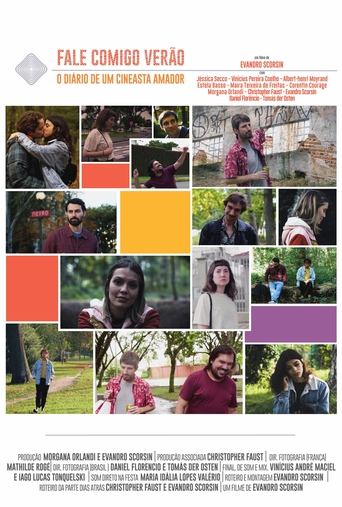
For years, together with his partners from the production company O Quadro, he has been betting on cinema as a tool to explore the typical issues of youth. In this film, Evandro Scorsin turns the cameras on himself as he deals with the dilemmas of the passing of time and the imposition of adulthood. In an exercise in autofiction where cinema and life merge, the film is also a cinematic love letter to the beloved masters (especially Nicholas Ray). Coming and going between two countries and times, it records the vertigo of displacement and the reinventions inherent to an immigrant experience.