


Lost, Lost, Lost
Documentary
Overview
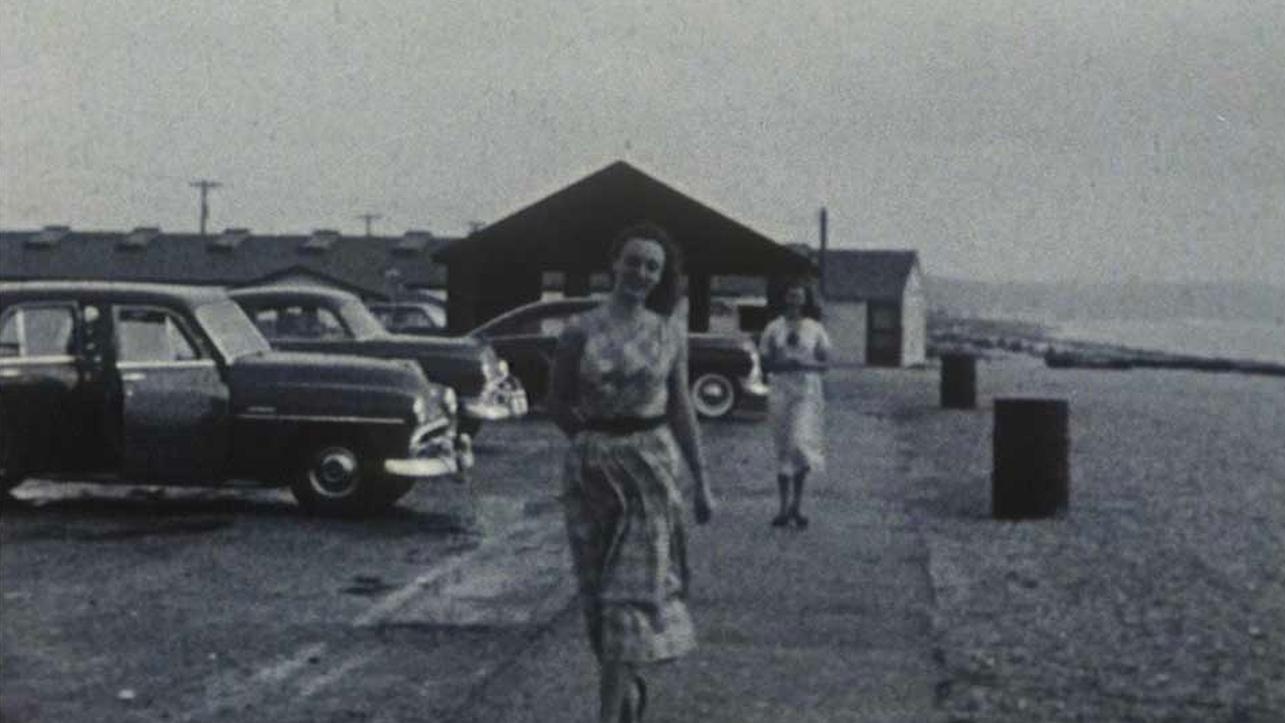
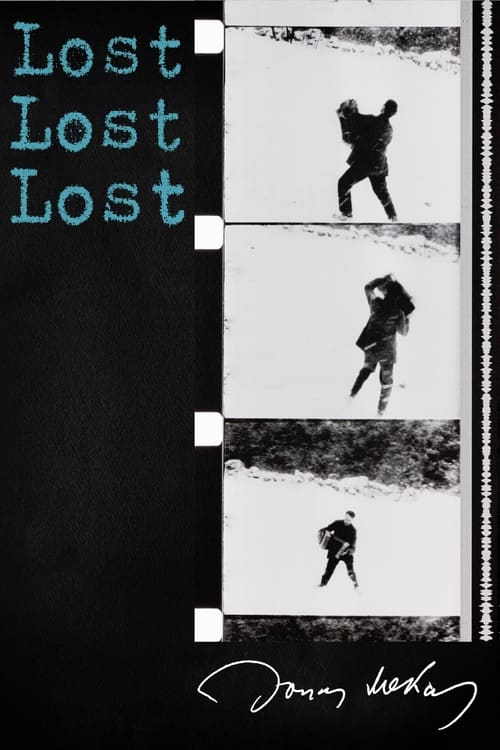
Drawn from footage shot between 1949 and 1963, Jonas Mekas’s autobiographical diary film chronicles his early years in exile, capturing the struggle to build a new life in New York and his gradual discovery of a vibrant artistic community.

Peter Beard
Peter Beard
Self
Peter Beard
Self
Ed Emshwiller
Ed Emshwiller
Self
Ed Emshwiller
Self
Ken Jacobs
Ken Jacobs
Self
Ken Jacobs
Self
Adolfas Mekas
Adolfas Mekas
Self
Adolfas Mekas
Self
Jonas Mekas
Jonas Mekas
Self
Jonas Mekas
Self
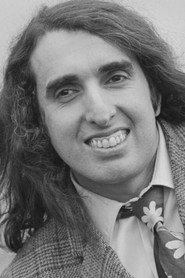
Tiny Tim
Tiny Tim
Self
Tiny Tim
Self

Peter Bogdanovich
Peter Bogdanovich
Self
Peter Bogdanovich
Self
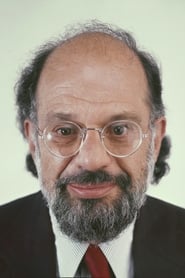
Allen Ginsberg
Allen Ginsberg
Self
Allen Ginsberg
Self
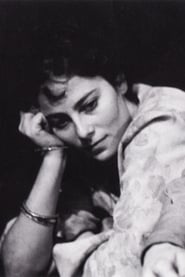
Barbara Rubin
Barbara Rubin
Self
Barbara Rubin
Self
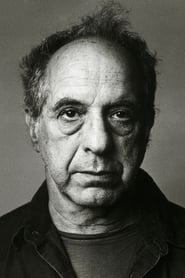
Robert Frank
Robert Frank
Self
Robert Frank
Self
Similar Movies
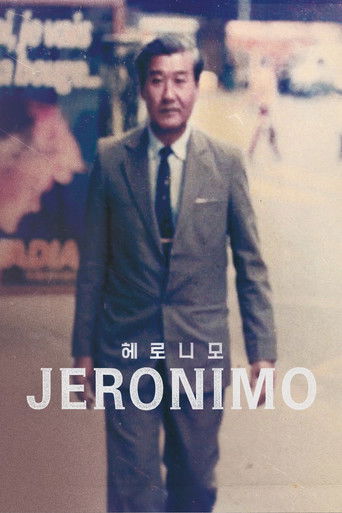
Born to Korean immigrant parents freed from indentured servitude in early twentieth century Mexico, Jerónimo Lim Kim joins the Cuban Revolution with his law school classmate Fidel Castro and becomes an accomplished government official in the Castro regime, until he rediscovers his ethnic roots and dedicates his later life to reconstructing his Korean Cuban identity. After Jerónimo's death, younger Korean Cubans recognize his legacy, but it is not until they are presented with the opportunity to visit South Korea that questions about their mixed identity resurface.
In 2011, as tens of thousands of migrants, Loss, and Madess Moussa arrived in Europe via Turkey. Required by EU law to remain in Greece, they only want one thing : to leave. Therefore earn the money needed to start is an obsession and all means are good. The film "The Adventure" follows the lives of these three Ivorians to Athens - their sense of enclosure, strategies to find money, failover illegally, attempts to start - and explores what is at stake, individually and collectively during migration: relations to other migrant communities, friendship, betrayal, solidarity, mafias and violence.
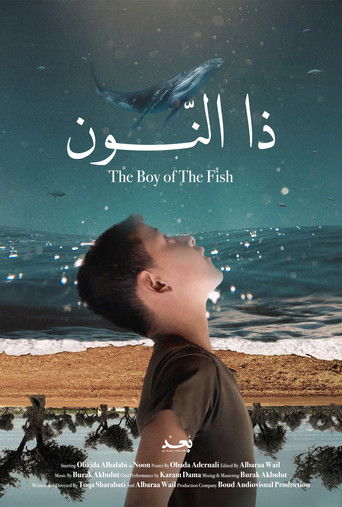
"The Boy Of The Fish" follows Noon, a young boy living in a Syrian refugee camp, who finds solace and a sense of freedom in a whale-shaped doll he names "Bahr." Set against the challenging realities of camp life, Noon’s journey is both a story of resilience and a testament to the boundless imagination of childhood. Through vivid symbolism and a unique soundscape, the film explores themes of loss, hope, and the longing for freedom amidst confinement. Shot entirely on an iPhone due to restrictions in the conflict zone, the film combines raw authenticity with poetic depth to capture the emotional landscape of a young soul navigating adversity.
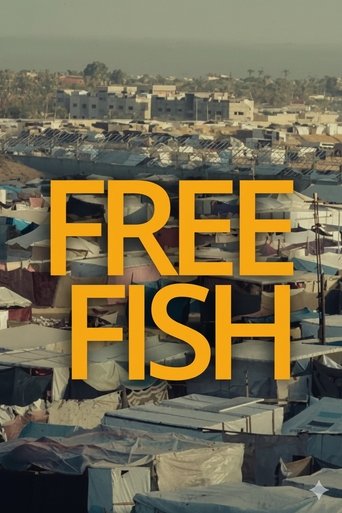
Free Fish is a short documentary filmed over the course of a year in Gaza, following two brothers — Abu Nagham and Ahmad — separated by war yet connected by the sea. Displaced from their home, Abu Nagham now lives in a tent in the south, fishing with his young nephew Rami, who lost his twin brother. Ahmad remains in the north, fishing amid ruins and occupation. Once a source of livelihood and freedom, the sea has become a battleground — heavily restricted, constantly watched, and always dangerous.
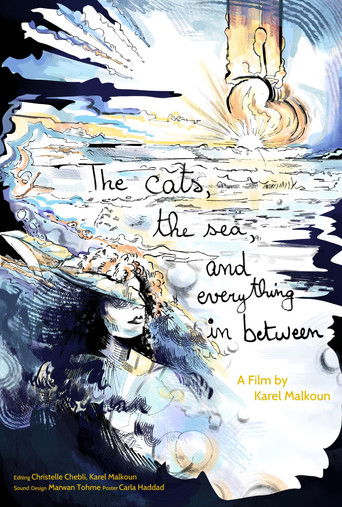
In 2022, when the economic crisis in her native country was at its peak, she decided to visit her family there. She turned her short trip into a collage-like diary in which she reflects on her relationship with her homeland, which is in a state of protracted decay. The film is composed of spontaneous snapshots capturing the author's stay, interspersed with inserted captions serving as personal, often poetically formulated comments and observations. As a result, the film does not hide its strongly subjective perspective, but at the same time builds on it to make an important statement that shows the transformation of Lebanese society in everyday details such as the appearance of the city itself or in the intimate sphere of the author's family life.
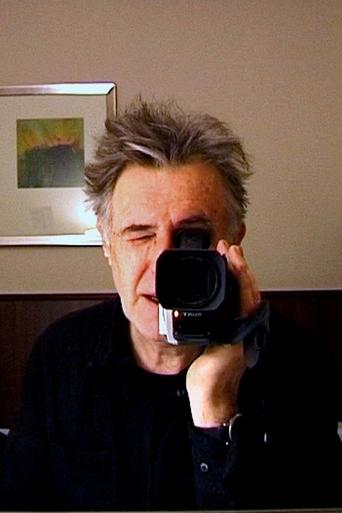
Made over six years in the hotels of six different countries, Hotel Diaries charts the 'War on Terror' era of Bush and Blair through a seven-part series of video recordings that relate personal experiences to the ongoing conflicts in Afghanistan, Iraq and Israel/Palestine. In these works, which play upon chance and coincidence, hotel rooms are employed as 'found' film sets, where architecture, furnishing and decoration become the means by which the filmmaker’s small adventures are linked to major world events.