

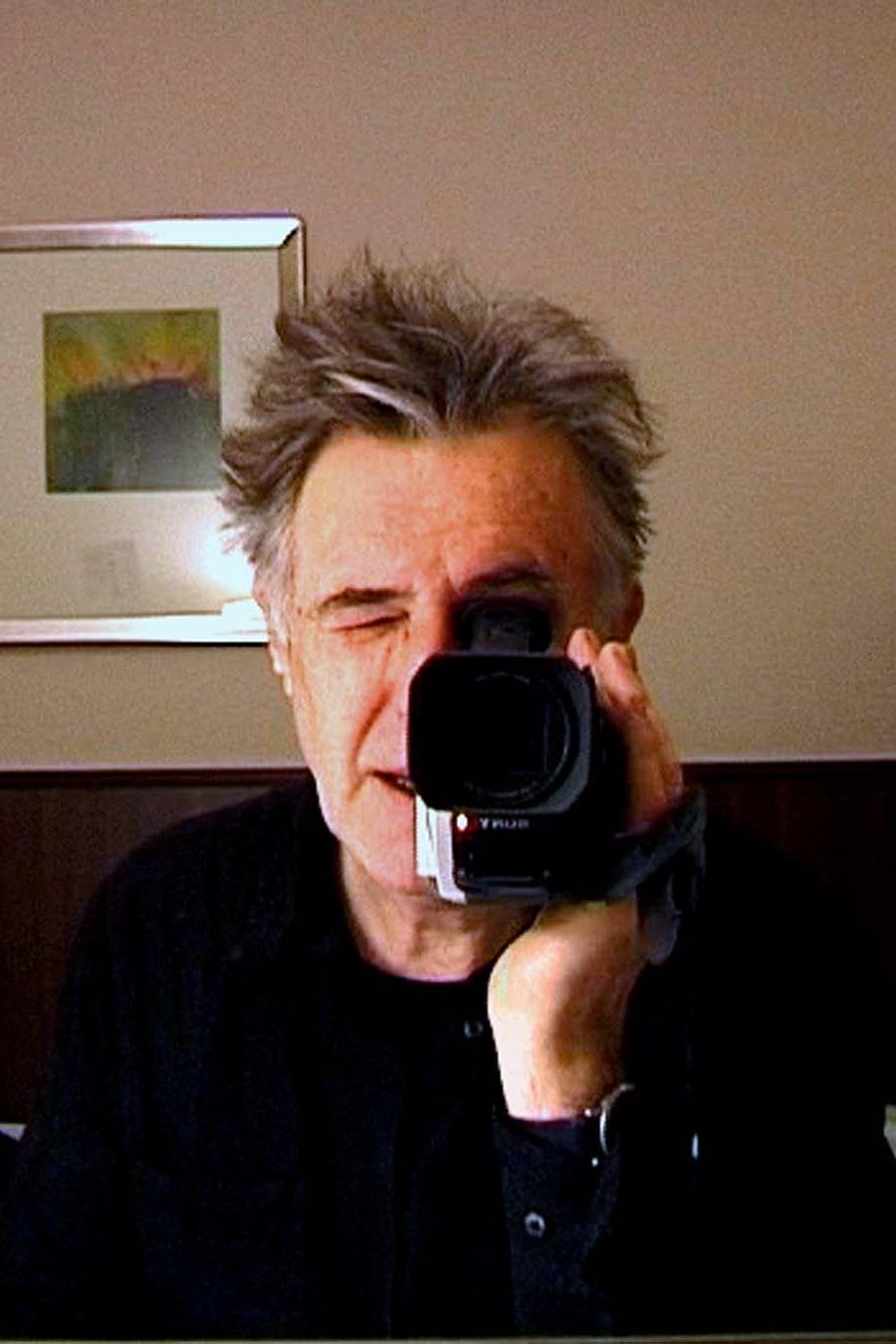
Hotel Diaries
Documentary
Overview
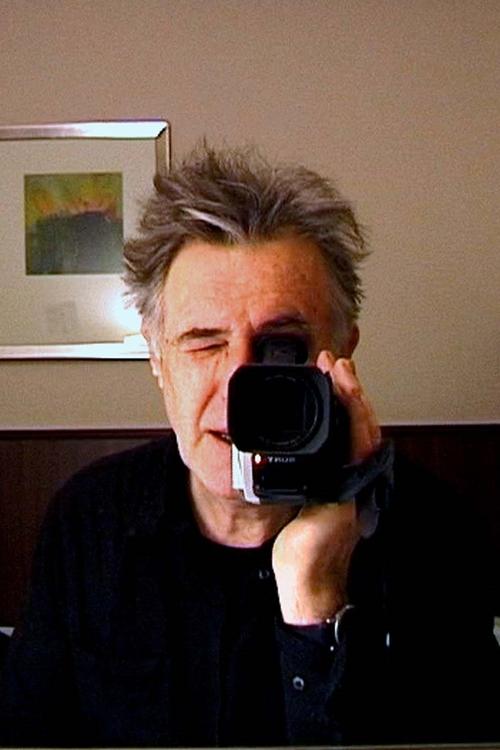
Made over six years in the hotels of six different countries, Hotel Diaries charts the 'War on Terror' era of Bush and Blair through a seven-part series of video recordings that relate personal experiences to the ongoing conflicts in Afghanistan, Iraq and Israel/Palestine. In these works, which play upon chance and coincidence, hotel rooms are employed as 'found' film sets, where architecture, furnishing and decoration become the means by which the filmmaker’s small adventures are linked to major world events.

No cast information.
Similar Movies
Jonas Mekas assembles 160 portraits, appearances, and fleeting sketches of underground and independent filmmakers captured between 1955 and 1996. Fast-paced and archival in spirit, the film celebrates the avant-garde as its own “nation of cinema,” a vital community existing outside the dominance of commercial film.
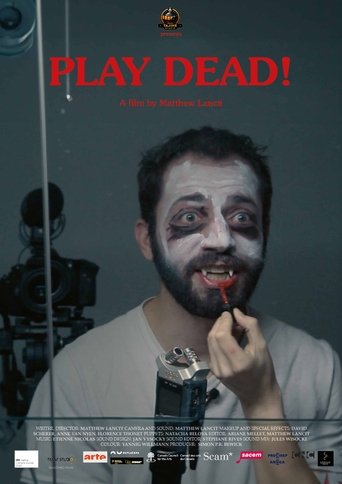
If there is one person Matthew Lancit can’t get out of his mind, it is his uncle Harvey. Dark rings around his eyes, pale, blind, his legs amputated. Like Harvey, the filmmaker also suffers from diabetes. He has the disease under control, but one question is always nagging at him: How much longer? His long-term (self-)observation reliably revolves around fears of infirmity and mutilation. He translates the feared body horror into film, stages himself as a zombie, vampire, a desolate figure. Lancit playfully anticipates his potential decline, serving up a whole arsenal of effects which – as video recordings prove – go back to his youth. It is not for nothing that the “dead” in the title is also reminiscent of “dad.” Because “Play Dead!” also negotiates his own role as a father.
In 2022, when the economic crisis in her native country was at its peak, she decided to visit her family there. She turned her short trip into a collage-like diary in which she reflects on her relationship with her homeland, which is in a state of protracted decay. The film is composed of spontaneous snapshots capturing the author's stay, interspersed with inserted captions serving as personal, often poetically formulated comments and observations. As a result, the film does not hide its strongly subjective perspective, but at the same time builds on it to make an important statement that shows the transformation of Lebanese society in everyday details such as the appearance of the city itself or in the intimate sphere of the author's family life.
An experimental music ensemble is recording an album. They want a very specific sound: the sound of thick air. The sound engineer struggles to understand and to find that sound. A tale of sleepless nights and loud music, a noise-injected collage composed of diaristic footage, a found narrative (memories of a popular 60s band), original music and field recordings.
A personal and experimental home video filmed in 2003, documenting a family trip to Calella from the filmmaker’s point of view. The footage captures everyday moments, later transitioning into scenes of family life and ending with a striking contrast between children’s innocence and a troubling news event on television.
Ramba Zamba: a theater with handicapped and non-handicapped people/actresses and actors, which has been living and working on inclusive integrative togetherness impressively every day for thirty years now. The film accompanies the mentally and physically impaired actresses and actors for six months through the theatrical production of the play GOLEM, from the beginning of rehearsals to the premiere. In doing so, the film is also partly influenced by the portrayed persons themselves, quasi inclusively co-determined, by them capturing their own view and perception, their view of reality itself on film.
Filmed in Susan Mogul’s Los Angeles multi-ethnic working class neighborhood, Highland Park, Everyday Echo Street: A Summer Diary, is an insider’s view of how home and neighborhood are constructed in everyday relations. Composed of conversational and anecdotal portraits of neighbors and merchants, Susan ruminates about the past and the present, as she looks out her apartment window. Struggling to arrive at a new definition of “home,” she ponders loss, middle age, and living alone.
Filmmaker Jon Beaton has always felt like an outsider. When TikTok’s powerful algorithm starts sending him content from the app’s autistic community, he has an epiphany – could this explain everything? My Diagnosis explores the tension between self-diagnosis and institutional validation through an intimate blend of personal vlogs and fictionalised recreations.