

EXPRMNTL
Documentary
Overview
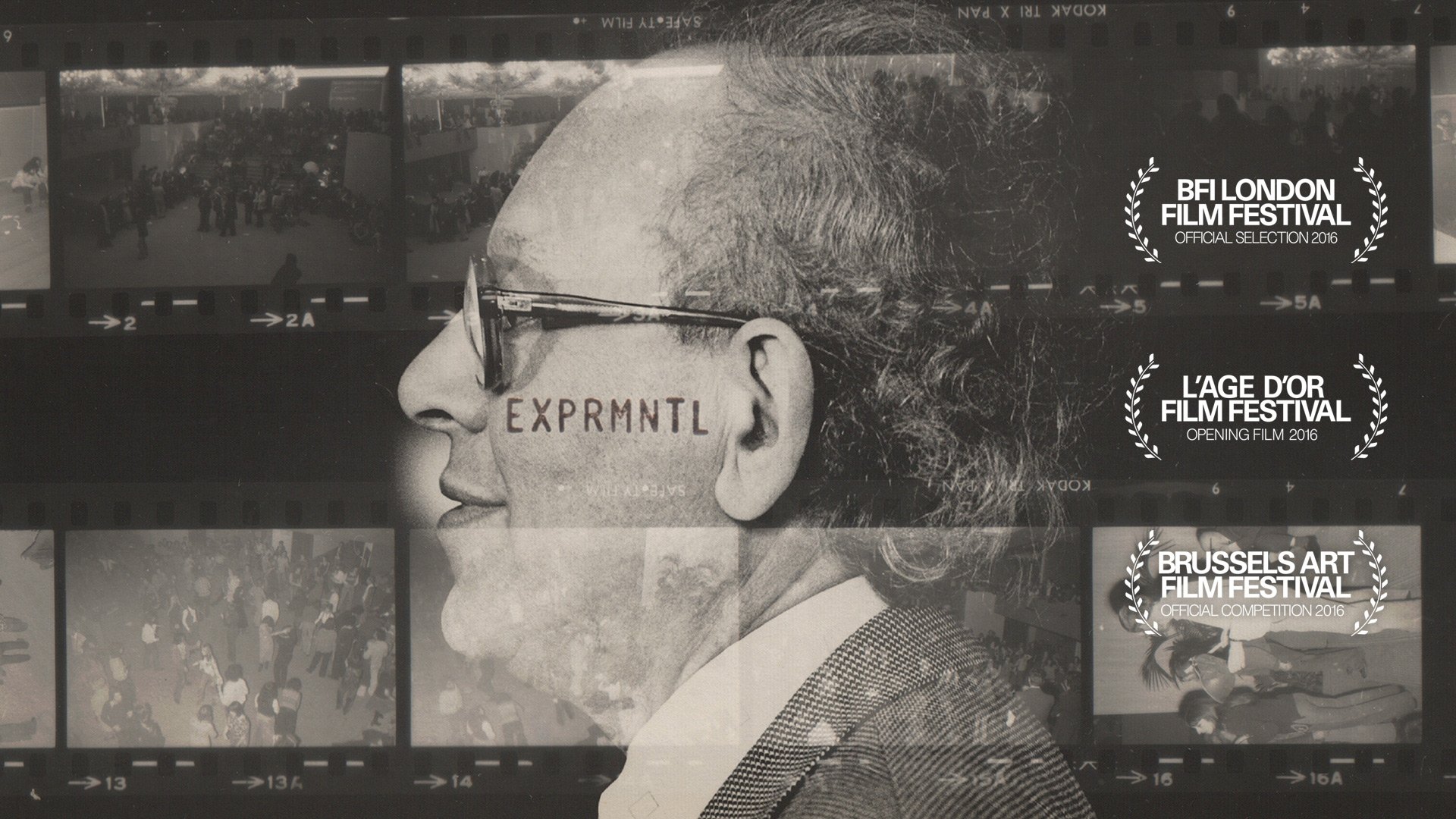
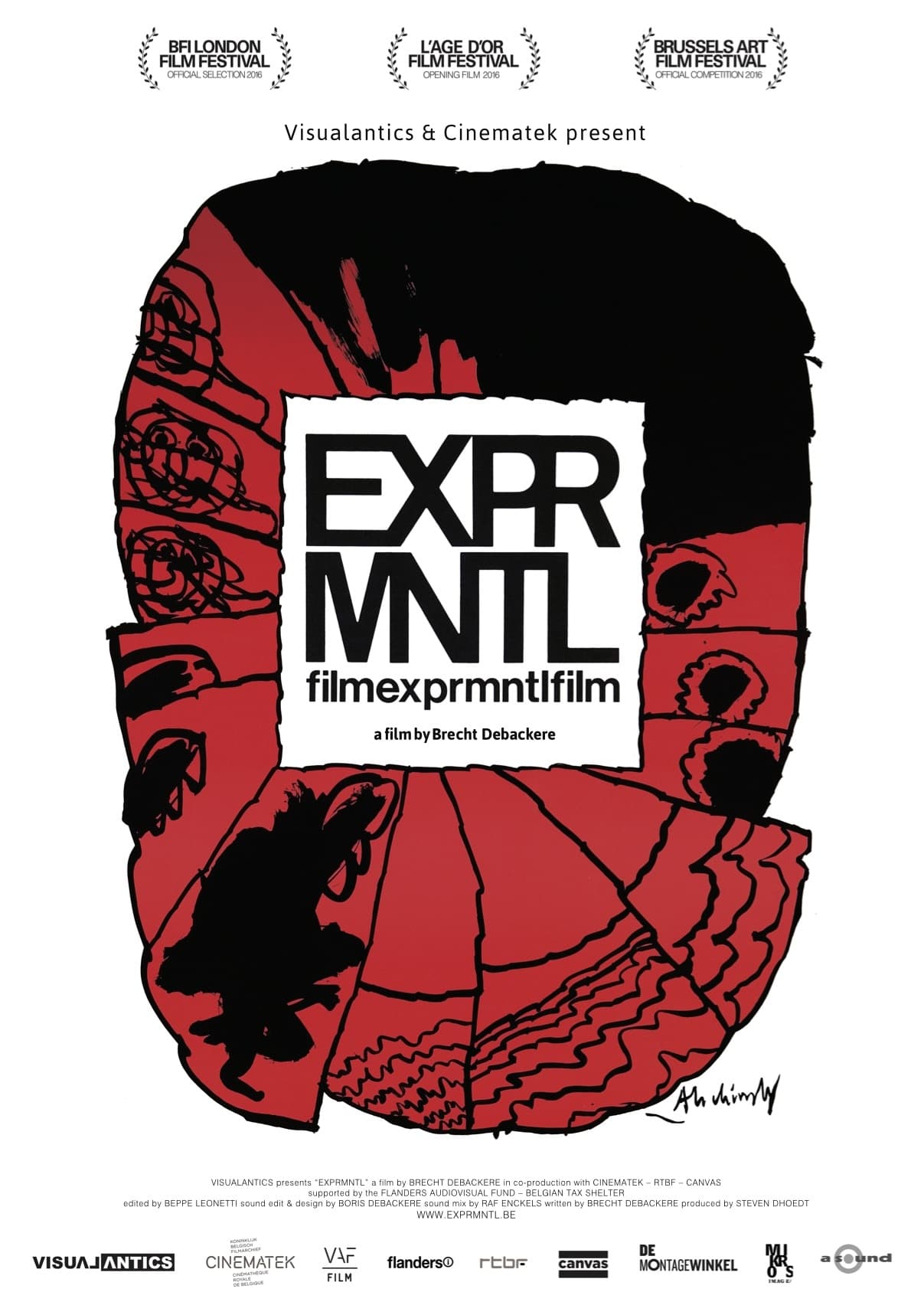
Knokke, Belgium. A small mundane coastal town, home to the beau-monde. To compete with Venice and Cannes, the posh casino hosts the second ‘World Festival of Film and the Arts’ in 1949, organised in part by the Royal Cinematheque of Belgium. To celebrate cinema’s 50 year existence, they put together a side program showcasing the medium in all its shapes and forms: surrealist film, absolute film, dadaist films, abstract film,… The side program would soon become a festival in its own right: ‘EXPRMNTL’, dedicated to experimental cinema, and would become a mythical gathering of the avant-garde…



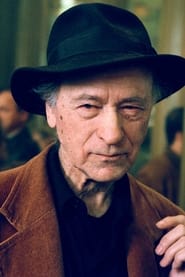
Jonas Mekas
Jonas Mekas
himself
Jonas Mekas
himself
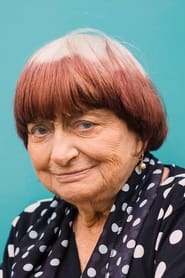
Agnès Varda
Agnès Varda
herself
Agnès Varda
herself
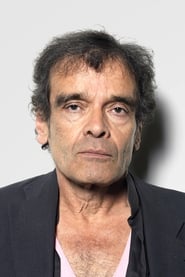
Harun Farocki
Harun Farocki
Himself
Harun Farocki
Himself
Birgit Hein
Birgit Hein
Herself
Birgit Hein
Herself
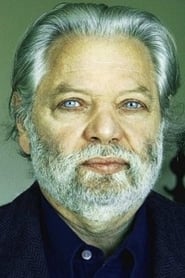
Jean-Jacques Lebel
Jean-Jacques Lebel
Himself
Jean-Jacques Lebel
Himself
Boris Lehman
Boris Lehman
Himself
Boris Lehman
Himself

Eric de Kuyper
Eric de Kuyper
Himself
Eric de Kuyper
Himself
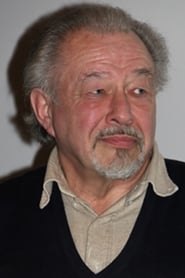
Roland Lethem
Roland Lethem
Himself
Roland Lethem
Himself
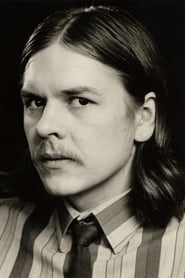
Werner Nekes
Werner Nekes
Himself
Werner Nekes
Himself
Godfried-Willem Raes
Godfried-Willem Raes
Himself
Godfried-Willem Raes
Himself
Similar Movies
Thanks to his myriad film roles, Lon Chaney is known as “the man of a thousand faces,” and you could say that the early horror era never beheld a figure more intriguing. Yet because of his numerous transformations, his face never became as iconic as that of, say, Boris Karloff. Accompanied by a soundtrack from Bernhard Lang, this “re-imagination of shots” taken from Chaney´s forty-six surviving films offers a beguiling excursion into the history of film. The director reveals surprising associations, while highlighting the enduring magic of works which are now more or less forgotten.
Engaging themes of love and betrayal, hope, belonging and place, Glad You’re Here documents my nineteen--year journey through building a family life, seeing it suffer the damage of mental illness, grief and separation, and then rebuilding with empathy. A story about an extreme moment of crisis has turned into a documentary that deals not just with the subjective but with the important issue of spousal abuse.
In Manhattan's Central Park, a film crew directed by William Greaves is shooting a screen test with various pairs of actors. It's a confrontation between a couple: he demands to know what's wrong, she challenges his sexual orientation. Cameras shoot the exchange, and another camera records Greaves and his crew. Sometimes we watch the crew discussing this scene, its language, and the process of making a movie. Is there such a thing as natural language? Are all things related to sex? The camera records distractions - a woman rides horseback past them; a garrulous homeless vet who sleeps in the park chats them up. What's the nature of making a movie?