

Symbiopsychotaxiplasm: Take One
Documentary
Overview
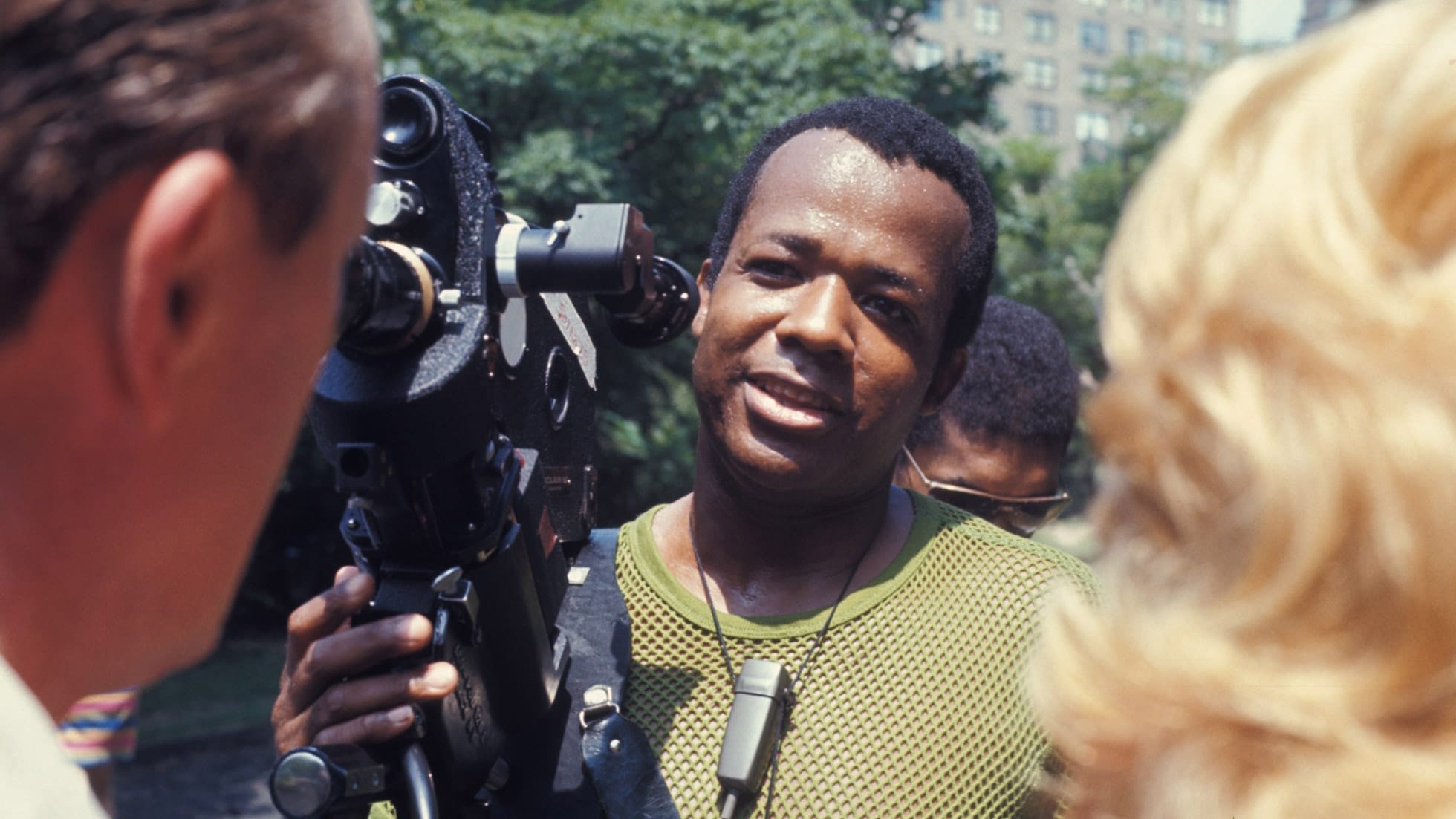
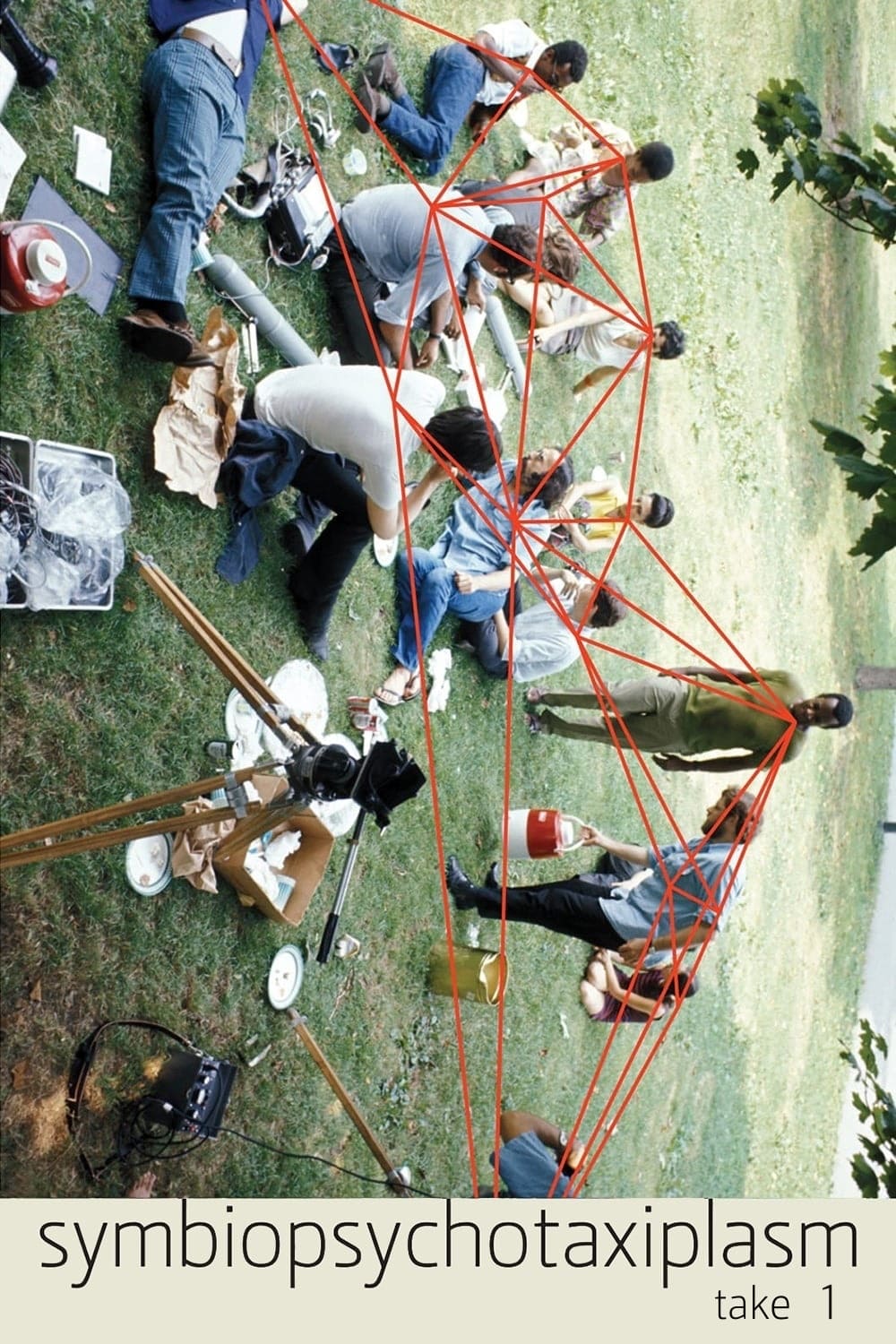
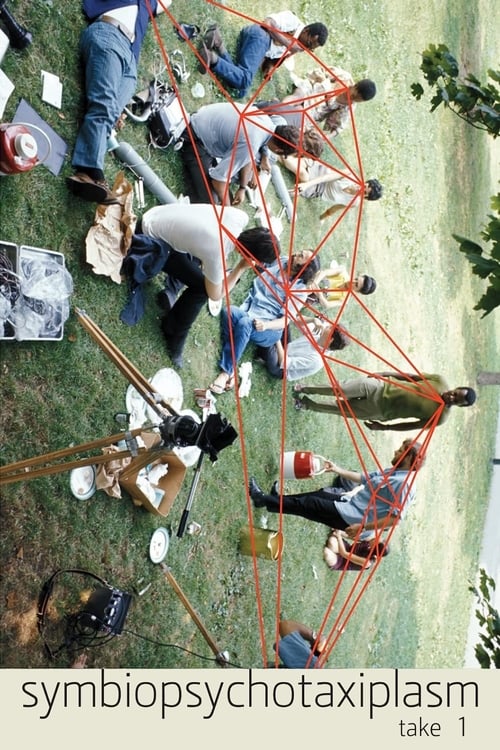
In Manhattan's Central Park, a film crew directed by William Greaves is shooting a screen test with various pairs of actors. It's a confrontation between a couple: he demands to know what's wrong, she challenges his sexual orientation. Cameras shoot the exchange, and another camera records Greaves and his crew. Sometimes we watch the crew discussing this scene, its language, and the process of making a movie. Is there such a thing as natural language? Are all things related to sex? The camera records distractions - a woman rides horseback past them; a garrulous homeless vet who sleeps in the park chats them up. What's the nature of making a movie?
Top Cast
Patricia Ree Gilbert
Self - Actress Testing for Alice
Don Fellows
Self - Actor Testing for Freddy
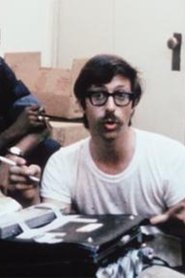
Jonathan Gordon
Self - Soundman
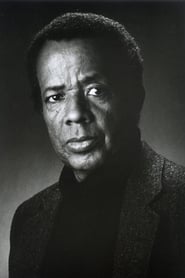
William Greaves
Self - Director
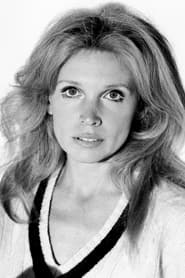
Susan Anspach
Self - Actress Testing for Alice (uncredited)
Audrey Heningham
Black Lady Clapping Her Hands (uncredited)
Stevan Larner
Self - Cameraman (uncredited)
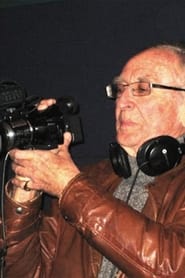
Terence Macartney-Filgate
Self - Cameraman (uncredited)
Maria Zeheri
Self - Camera Assistant (uncredited)
Robert L. Rosen
Self - Production Manager (as Bob Rosen)

Louise Archambault Greaves
Self - Actress Testing for Alice (uncredited)


Patricia Ree Gilbert
Patricia Ree Gilbert
Self - Actress Testing for Alice
Patricia Ree Gilbert
Self - Actress Testing for Alice
Don Fellows
Don Fellows
Self - Actor Testing for Freddy
Don Fellows
Self - Actor Testing for Freddy
Jonathan Gordon
Jonathan Gordon
Self - Soundman
Jonathan Gordon
Self - Soundman
William Greaves
William Greaves
Self - Director
William Greaves
Self - Director
Susan Anspach
Susan Anspach
Self - Actress Testing for Alice (uncredited)
Susan Anspach
Self - Actress Testing for Alice (uncredited)
Audrey Heningham
Audrey Heningham
Black Lady Clapping Her Hands (uncredited)
Audrey Heningham
Black Lady Clapping Her Hands (uncredited)
Stevan Larner
Stevan Larner
Self - Cameraman (uncredited)
Stevan Larner
Self - Cameraman (uncredited)
Terence Macartney-Filgate
Terence Macartney-Filgate
Self - Cameraman (uncredited)
Terence Macartney-Filgate
Self - Cameraman (uncredited)
Maria Zeheri
Maria Zeheri
Self - Camera Assistant (uncredited)
Maria Zeheri
Self - Camera Assistant (uncredited)
Robert L. Rosen
Robert L. Rosen
Self - Production Manager (as Bob Rosen)
Robert L. Rosen
Self - Production Manager (as Bob Rosen)
Similar Movies
In 1967, experimental filmmaker Jorgen Leth created a striking short film, The Perfect Human, starring a man and women sitting in a box while a narrator poses questions about their relationship and humanity. Years later, Danish director Lars von Trier made a deal with Leth to remake his film five times, each under a different set of circumstances and with von Trier's strictly prescribed rules. As Leth completes each challenge, von Trier creates increasingly further elaborate stipulations.
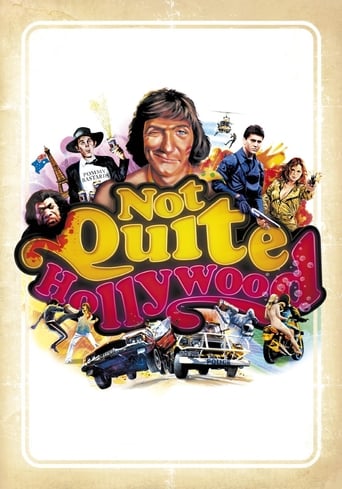
As Australian cinema broke through to international audiences in the 1970s through respected art house films like Peter Weir's "Picnic At Hanging Rock," a new underground of low-budget exploitation filmmakers were turning out considerably less highbrow fare. Documentary filmmaker Mark Hartley explores this unbridled era of sex and violence, complete with clips from some of the scene's most outrageous flicks and interviews with the renegade filmmakers themselves.
This documentary captures the sounds and images of a nearly forgotten era in film history when African American filmmakers and studios created “race movies” exclusively for black audiences. The best of these films attempted to counter the demeaning stereotypes of black Americans prevalent in the popular culture of the day. About 500 films were produced, yet only about 100 still exist. Filmmaking pioneers like Oscar Micheaux, the Noble brothers, and Spencer Williams, Jr. left a lasting influence on black filmmakers, and inspired generations of audiences who finally saw their own lives reflected on the silver screen.