


Tokyo Trial: Judging Japan
Documentary · History
Overview
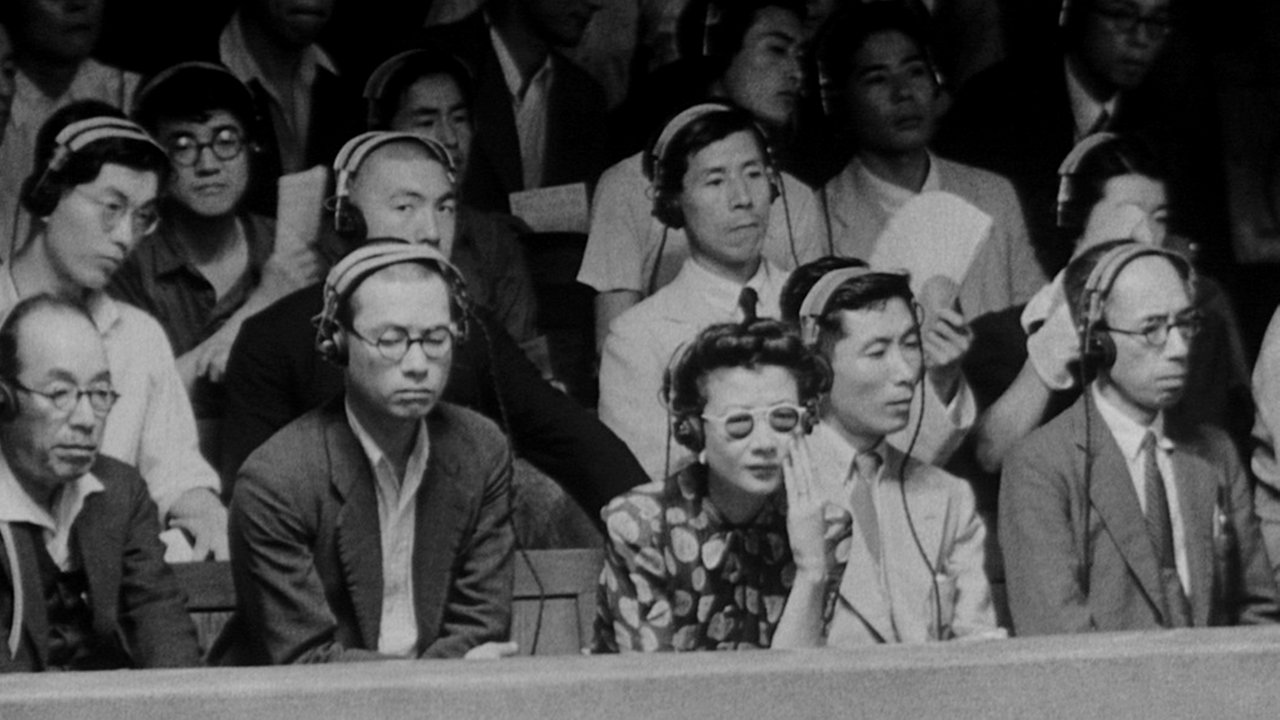
The story of the International Military Tribunal for the Far East, known as the Tokyo Trial, which, just after the Second World War, was established in Japan as a special jurisdiction in 1946 (it was closed in 1948) to judge the war crimes of the Japanese leaders; and how and why officials in Washington prevented Emperor Hirohito to be seen sat on the bench.







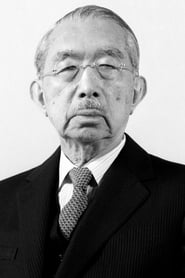
Emperor Hirohito of Japan
Emperor Hirohito of Japan
Self (archive footage)
Emperor Hirohito of Japan
Self (archive footage)
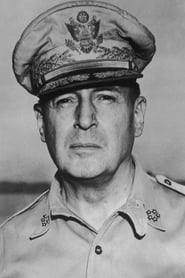
Douglas MacArthur
Douglas MacArthur
Self (archive footage)
Douglas MacArthur
Self (archive footage)

Hideki Tojo
Hideki Tojo
Self (archive footage)
Hideki Tojo
Self (archive footage)

Harry S. Truman
Harry S. Truman
Self (archive footage)
Harry S. Truman
Self (archive footage)
Similar Movies
Sexual violence against women is a very effective weapon in modern warfare: instills fear and spreads the seed of the victorious side, an outrageous method that is useful to exterminate the defeated side by other means. This use of women, both their bodies and their minds, as a battleground, was crucial for international criminal tribunals to begin to judge rape as a crime against humanity.
Based on the true story of the greatest treasure hunt in history, The Monuments Men is an action drama focusing on seven over-the-hill, out-of-shape museum directors, artists, architects, curators, and art historians who went to the front lines of WWII to rescue the world’s artistic masterpieces from Nazi thieves and return them to their rightful owners. With the art hidden behind enemy lines, how could these guys hope to succeed?
On 12 February 2012, two journalists entered war-ravaged Syria. One of them was celebrated Sunday Times war correspondent, Marie Colvin. The other was photographer, Paul Conroy. Their aim was to cover the plight of Syrian civilians trapped in Homs, a city under siege and relentless military attack from the Syrian army. Only one of them returned.
In Killing Gaza, independent journalists Max Blumenthal and Dan Cohen documented Israel’s 2014 war on Gaza. Yet this film is much more than a documentary about Palestinian resilience and suffering. It is a chilling visual document of war crimes committed by the Israeli military, featuring direct testimony and evidence from the survivors.
Germany, 1945. The War is over, and it has left a slew of devastated families in its wake. Among them are Maria and her mother, two refugees who find themselves working on a farm in the German countryside after they are forced out of their home by violence and political upheaval. It is there that little Maria makes an unlikely friend: an American soldier — an enemy soldier — who, through one act of unnecessary kindness, teaches Maria and her family a powerful lesson in compassion and humanity during the most inhumane of times.
Suh, whose favorite Packer will always be Mason Crosby; Omi and Ayaka, whose infant daughter already sports a green and gold onesie, and Ryuta aka “fatdragon08” who briefly lived in Milwaukee in 1990, studying English, where he was teased for wearing a San Fancisco 49ers jacket, and subsequently converted to the Pack Life. Benzine’s film lets us spend quality time with these super fans, and then follows them as they make plans to cross the sea to see their beloved Packers in-person at Lambeau! As director Benzine says, “No Packers, No Life is a story about a sports team and their fans, but more than that it illustrates how people from all over the world can come together and unite over a common passion. Also, the Japanese fans arrive in Green Bay and get to ride the Zippin Pippin and party a lot. It’s a very good time.”
The residents of Bucha, Ukraine, are rebuilding their city from the rubble after surviving the horrors of Russian occupation. A newly married couple, a schoolgirl, a city official, and an elderly housewife have all endured the painful experiences of war, yet they manage to hold onto hope and solidarity. But how do you rebuild in the wake of growing trauma, especially with war still raging in your country? As time hopes for a peaceful life fade, they must grapple with mounting tensions within their communities. Shot over a three-year period, the film is a follow-up to When Spring Came To Bucha, as five protagonists navigate the complex terrain of inner conflicts, trauma, and a longing for justice, posing questions about the future of a society at war.
This interactive infographic short documentary examines the human losses of the Second World War between 1939 and 1945 and the decline in battle deaths in the years since that most terrible war of human history. The 19-minute data visualization uses cinematic storytelling techniques to provide viewers with a fresh and dramatic perspective of a pivotal moment in history. The film follows a linear narration, but it allows viewers to pause during key moments to interact with the charts and dig deeper into the numbers.