

Under the Wire
Documentary
Overview
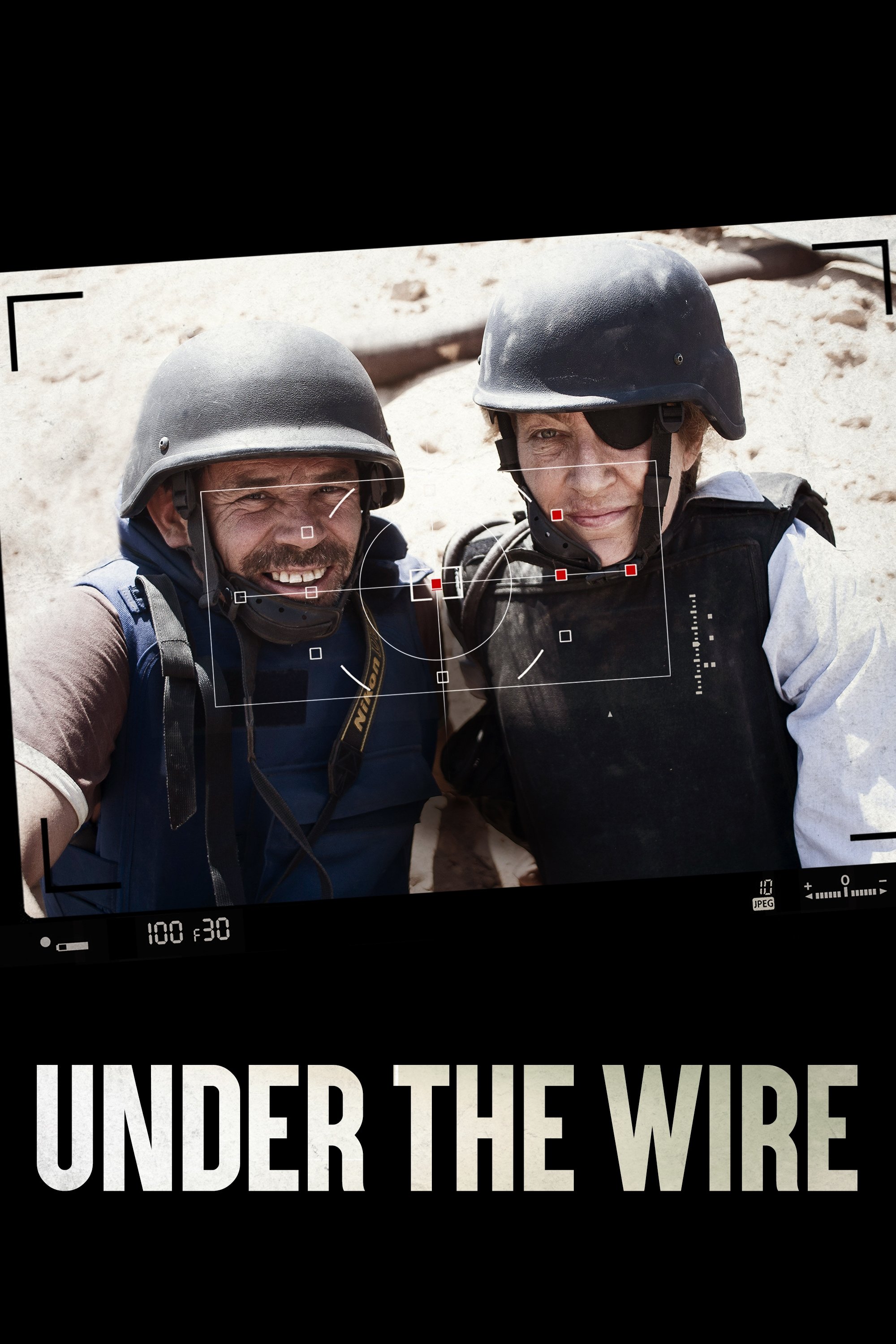
On 12 February 2012, two journalists entered war-ravaged Syria. One of them was celebrated Sunday Times war correspondent, Marie Colvin. The other was photographer, Paul Conroy. Their aim was to cover the plight of Syrian civilians trapped in Homs, a city under siege and relentless military attack from the Syrian army. Only one of them returned.





No cast information.
Similar Movies
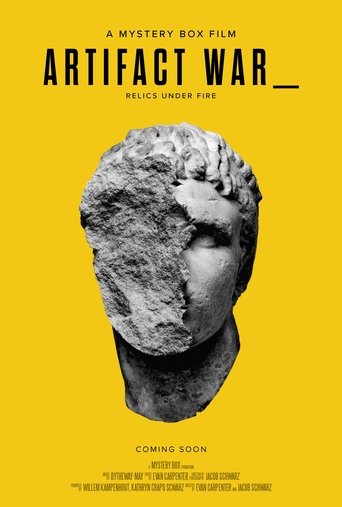
An intrepid archeology professor and his team of students are the only ones who stand in the way of an ISIS illicit antiquities network. Faced with losing their cultural heritage they become spies and they go undercover in ISIS territory. They dodge bombs and militia to create a system to monitor theft and destruction of Syrian antiquities. During this process, they discover more than they anticipated, discovering thousands of trafficked items and that the crimes committed are being enabled by terrorists and multinational corporations. The tragedy continues because the sale of illegal goods are uncovered in the most unsuspecting place.
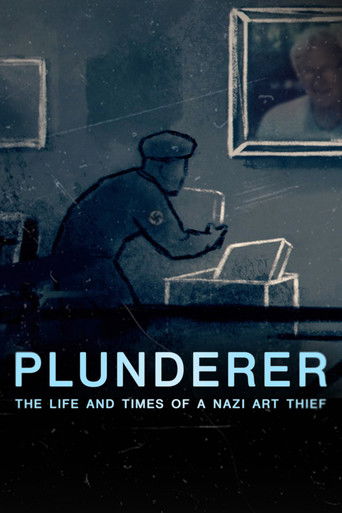
“It’s not every day that you meet an old Nazi.” So begins American historian Jonathan Petropoulos, recalling the day in 1998 when he met Bruno Lohse, who was Hermann Göring’s art agent in Paris during World War II. In this riveting account, Petropoulos details Lohse’s role in stealing countless masterpieces from prominent French and Dutch families, while evading meaningful punishment, and continuing to deal art profitably for most of the rest of his life. This explosively compelling tale calls the international art market to task for its continuing lack of regulation.
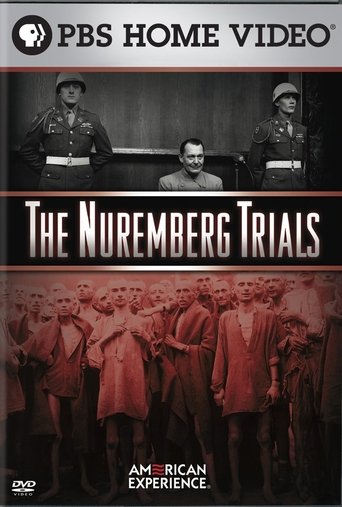
One journalist described it as a chance "to see justice catch up with evil." On November 20, 1945, the twenty-two surviving representatives of the Nazi elite stood before an international military tribunal at the Palace of Justice in Nuremberg, Germany; they were charged with the systematic murder of millions of people. The ensuing trial pitted U.S. chief prosecutor and Supreme Court judge Robert Jackson against Hermann Göring, the former head of the Nazi air force, whom Adolf Hitler had once named to be his successor. Jackson hoped that the trial would make a statement that crimes against humanity would never again go unpunished. Proving the guilt of the defendants, however, was more difficult than Jackson anticipated. This American Experience production draws upon rare archival material and eyewitness accounts to recreate the dramatic tribunal that defines trial procedure for state criminals to this day.

THE STORY WON’T DIE, from Award-winning filmmaker David Henry Gerson, is an inspiring, timely look at a young generation of Syrian artists who use their work to protest and process what is currently the world’s largest and longest ongoing displacement of people since WWII. The film is produced by Sundance Award-winner Odessa Rae (Navalny). Rapper Abu Hajar, together with other creative personalities of the Syrian uprising, a post-Rock musician (Anas Maghrebi), members of the first all-female Syrian rock band (Bahila Hijazi + Lynn Mayya), break-dancer (Bboy Shadow), choreographer (Medhat Aldaabal), and visual artists (Tammam Azzam, Omar Imam + Diala Brisly), use their art to rise in revolution and endure in exile in this new documentary reflecting on a battle for peace, justice and freedom of expression. It is an uplifting and humanizing look at what it means to be a refugee in today’s world and offers inspiring and hopeful vantages on a creative response to the chaos of war.
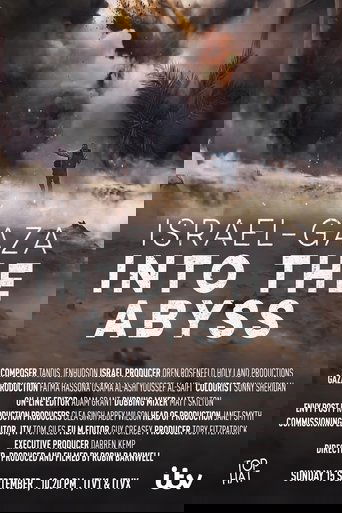
This deeply affecting documentary follows a small number of Israelis and Gazans through the most dramatic and tragic year of their lives. Using personal and previously unseen footage, it tells the story of the war in Gaza and the October 7 attacks through deeply emotional stories from both sides of the conflict. In Gaza, the film follows three individuals from reaction to the October 7th attacks to the start of the bombing by the Israeli military and to the loss of family members that all three suffer. In Israel, we witness footage of the Israeli characters, as they and their family members are attacked by Hamas on October 7th and then follow their stories through the year.
Part 1: The forest at Katyn. Mass graves of more than 20,000 Polish officers and government officials. They were discovered by the Germans in the spring of 1943. Goebels' propaganda immediately gave the matter publicity, blaming the Russians for the crime. Part 2: When the Russians occupied the Smolensk region in September 1943, they came across the graves erected by the Germans at the site of the Katyn massacre. Now they, like the Germans before them, made a propaganda film blaming the Third Reich for the murder of Polish officers.

Montage film by Aymeric Caron, broadcast at the French National Assembly on May 29, 2024. “Is it a dream or a reality? » demands a little girl stunned by her injuries. It is a nightmare, without a doubt, and nothing can justify it, neither the crimes of October 7 nor the detention of Israeli hostages by Hamas. Condemning all the crimes of October 7, before and after, condemning anti-Semitism and all forms of racism is common sense. However, it seems that this needs to be clarified. Everyone present normally wishes that the surviving hostages can one day be reunited with their families and that the massacre in Gaza stops immediately. But to follow through with the process is to see things face to face, to see what has been happening in Gaza since October 7, what the Israeli army is doing, what the television channels are not showing.
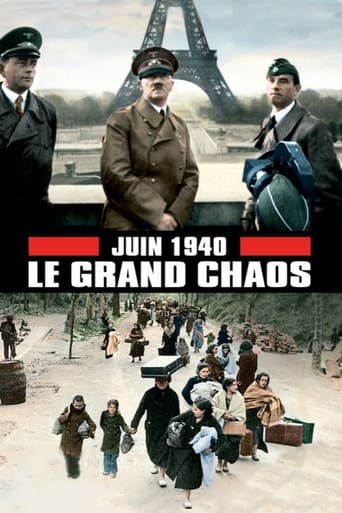
From May 10, 1940, France is living one of the worst tragedies of it history. In a few weeks, the country folds, and then collapsed in facing the attack of the Nazi Germany. On June 1940, each day is a tragedy. For the first time, thanks to historic revelations, and to numerous never seen before images and documents and reenacted situations of the time, this film recounts the incredible stories of those men and women trapped in the torment of this great chaos.
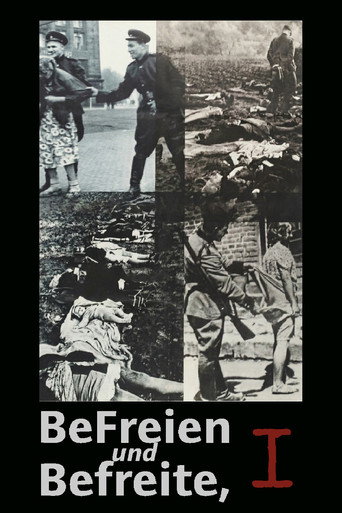
Based on years of research into the mass rapes committed by the Red Army at the end of the Second World War. In the first part of the documentary Helke Sander interviews multiple German women who were raped in Berlin by Soviet soldiers in May 1945. Most women never spoke of their experience to anyone, after 46 years of silence they talk for the first time publicly about their violent experiences that have left such a mark.