

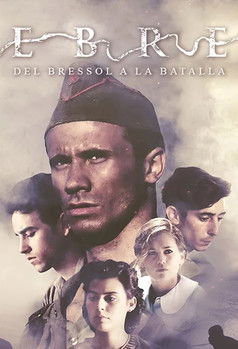
Ebre, del bressol a la batalla
History · Drama
Overview
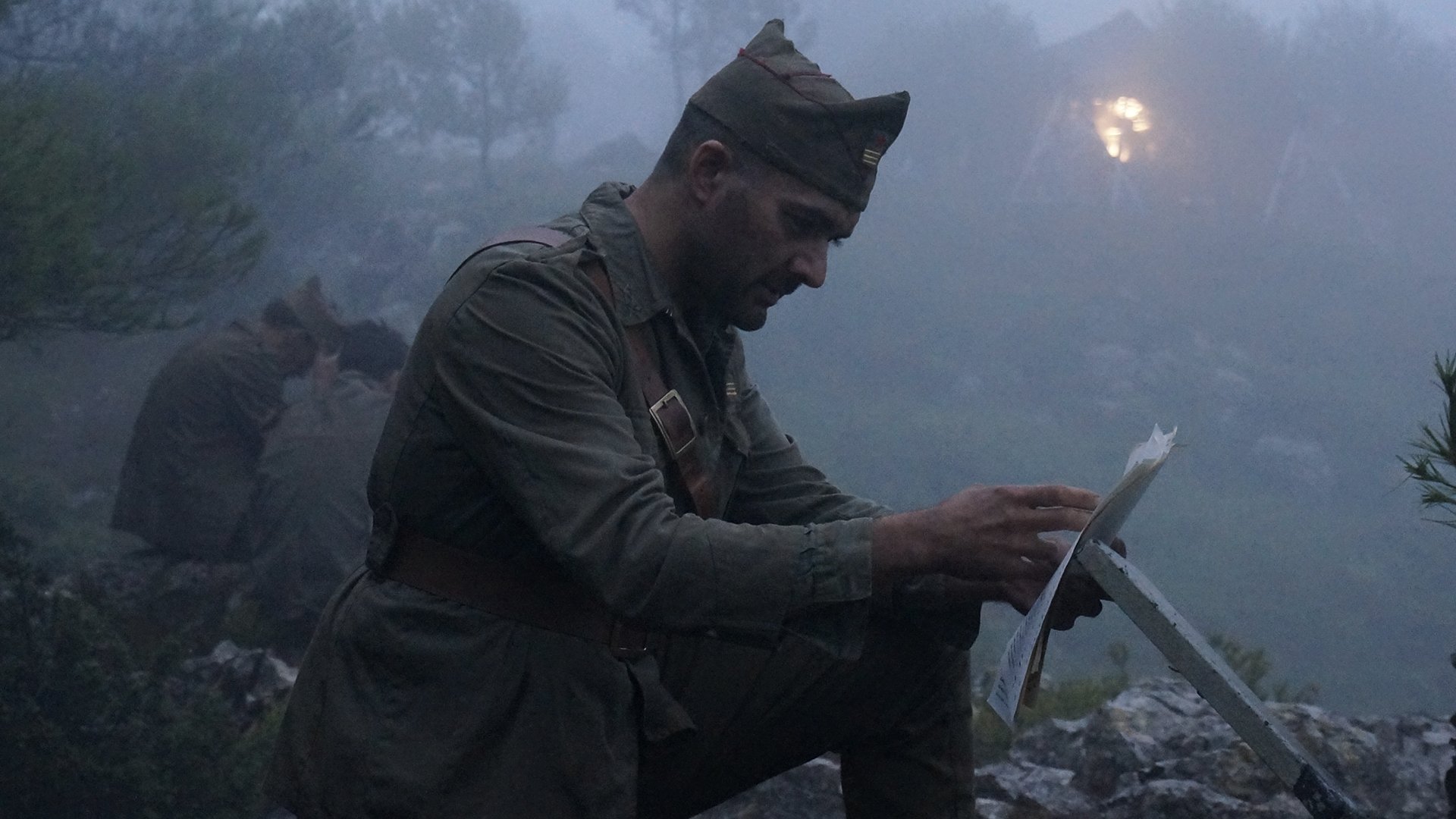
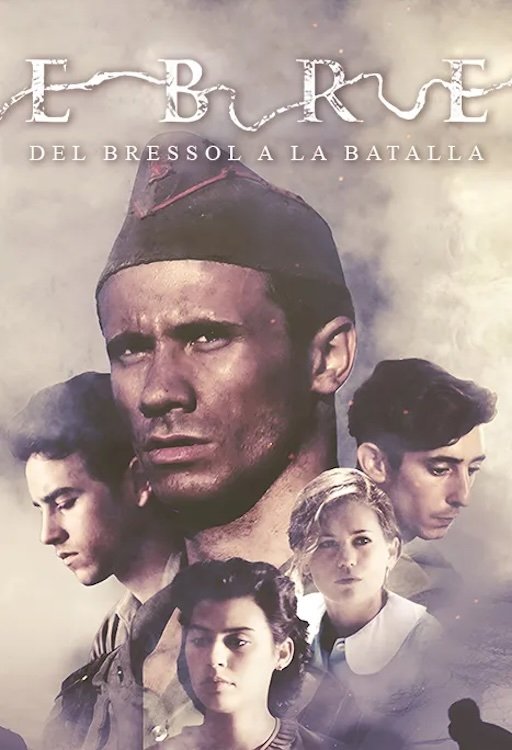
In 1938 the Spanish Civil War has worn both armies and destroyed the mood of the people of both sides. The differences between national Republicans however are revealing: The fascist side has the unconditional support of arms and men facilitated by Hitler and Mussolini while the Republican army is ignored by a Europe more concerned of a possible World War than the fate of Spain. Thousands of young people between 17 and 18 rows are called by the republican army. These are the main characters, four young for whom the Battle of the Ebro will be the first direct contact with the war. This film tells the story of these young people forced to leave behind innocence and into whistling bullets.





Oriol Pla
Oriol Pla
Pere Puig
Oriol Pla
Pere Puig
Enric Auquer
Enric Auquer
Fermí Quintana
Enric Auquer
Fermí Quintana

Àlex Monner
Àlex Monner
Valentí Godall
Àlex Monner
Valentí Godall
Emilio Palacios
Emilio Palacios
Jaume Comelles
Emilio Palacios
Jaume Comelles

Roser Tapias
Roser Tapias
Carme
Roser Tapias
Carme

Artur Busquets
Artur Busquets
Martí Claret
Artur Busquets
Martí Claret

Manuel Morón
Manuel Morón
Manuel Azaña
Manuel Morón
Manuel Azaña
Adolfo Fernández
Adolfo Fernández
Juan Negrín
Adolfo Fernández
Juan Negrín

Kimberley Tell
Kimberley Tell
Nan Green
Kimberley Tell
Nan Green

Ann M. Perelló
Ann M. Perelló
Embarassada
Ann M. Perelló
Embarassada
Similar Movies
Gilda Bessé shares her Paris apartment with an Irish schoolteacher, Guy Malyon, and Mia, a refugee from Spain. As the world drifts toward war, Gilda defiantly pursues her hedonistic lifestyle and her burgeoning career as a photographer. But Guy and Mia feel impelled to join the fight against fascism, and the three friends are separated.
In November 1936, a few months since the beginning of the Spanish Civil War, the government of the Second Republic moves to Valencia. In this situation, several Valencian artists and intellectuals decide to build four fallas — satirical plasterboard sculptures created to be burnt — to mock fascism.
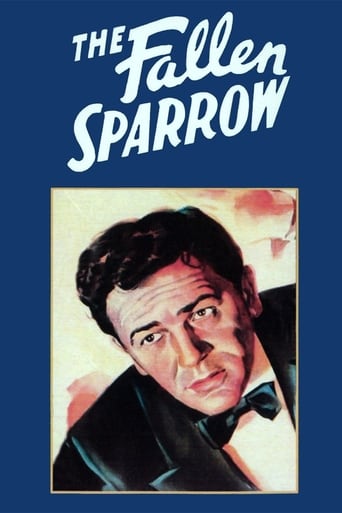
Imprisoned during the Spanish Civil War, John "Kit" McKittrick is released when a New York City policeman pulls some strings. Upon returning to America, McKittrick hears that a friend has committed suicide, and he begins to smell a rat. During his investigation, McKittrick questions three beautiful women, one of whom has a tie to his refugee past. Pursued by Nazi operatives, McKittrick learns of the death of another friend, and begins to suspect the dark Dr. Skaas.
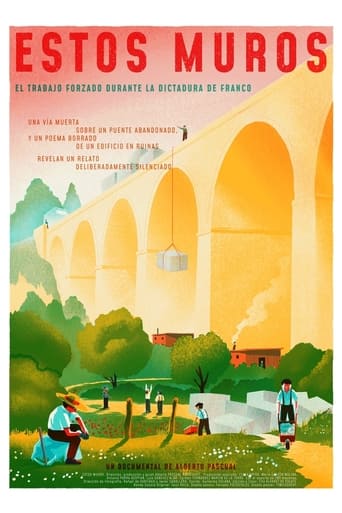
In the mountains of Madrid, Spain, a railway track on an abandoned bridge and a poem erased from the wall of a ruined building reveal a deliberately silenced story: the system established by Franco's dictatorship after the civil war (1936-39) that allowed hundreds of companies to use thousands of convicted Republicans as slave labor.
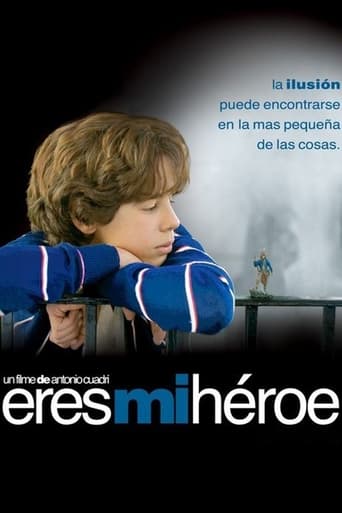
Thirteen-year-old Ramon is on the verge of many adolescent discoveries -- and the confusion that goes along with them. Shy and awkward, he's moved from town to town throughout his childhood and believes that life is about winning and losing. But he soon learns it's all about survival. Like Ramon, Spain is in transition (President Francisco Franco is about to die); it's a time of social upheaval marked by change, illusion and struggle.