

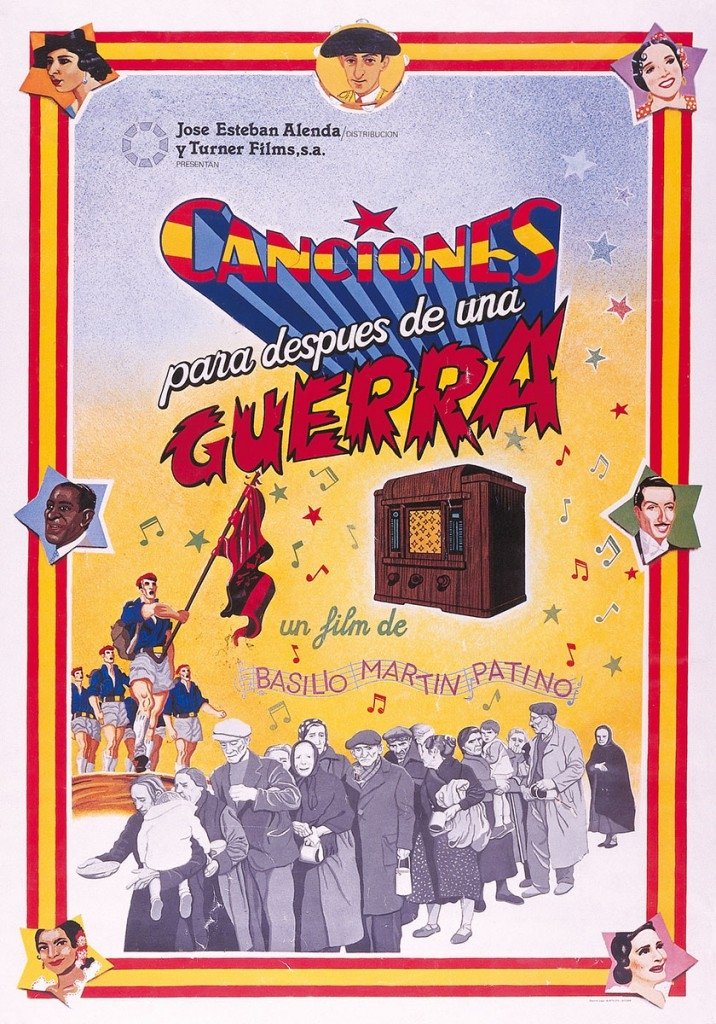
Songs for After a War
Documentary · History · Music
Overview
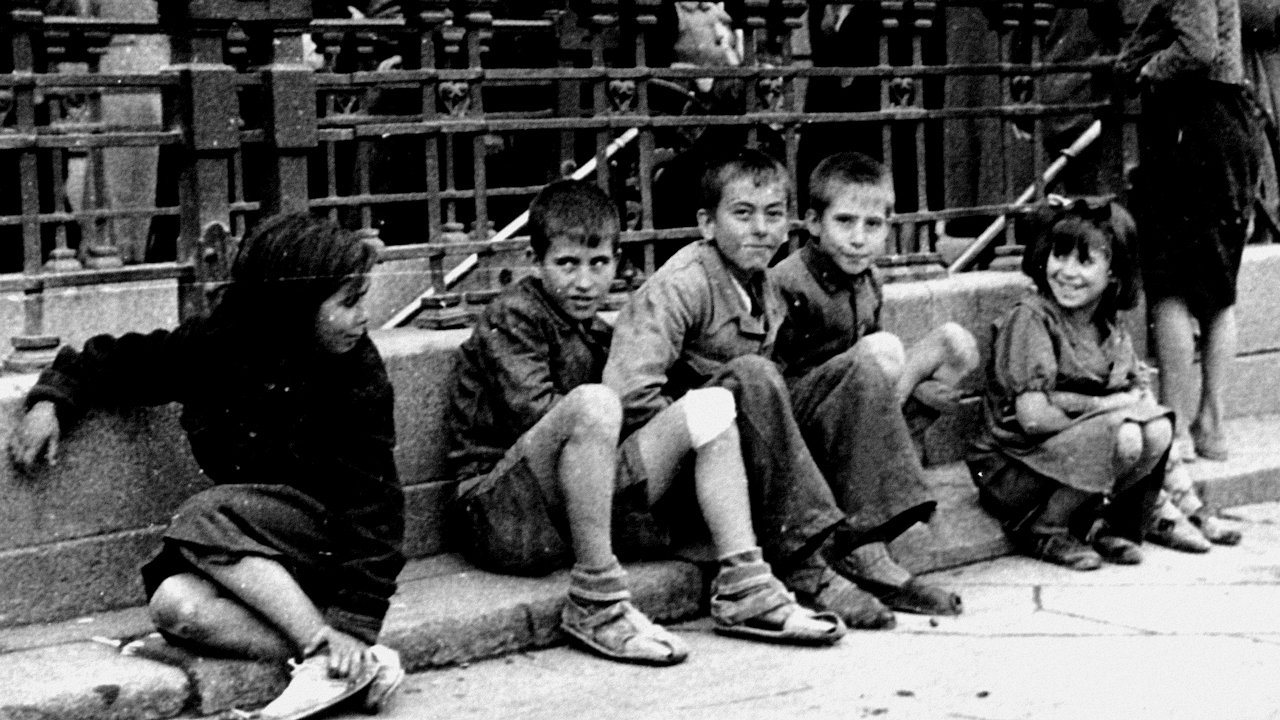
A particular reading of the hard years of famine, repression and censorship after the massacre of the Spanish Civil War (1936-39), through popular culture: songs, newspapers and magazines, movies and newsreels.
Top Cast

Francisco Franco
Self (archive footage)

Philippe Pétain
Self (archive footage)
Imperio Argentina
Self (archive footage)
Lola Flores
Self (archive footage)

José Isbert
Don Pablo (archive footage) (uncredited)
Adolf Hitler
Self (archive footage) (uncredited)
Manuel Azaña
Self (archive footage) (uncredited)
Camilo José Cela
Self (archive footage) (uncredited)
Winston Churchill
Self (archive footage) (uncredited)
Gary Cooper
Self (archive footage) (uncredited)

Salvador Dalí
Self (archive footage) (uncredited)
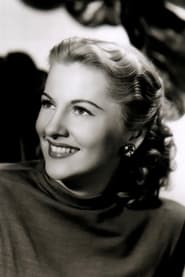
Joan Fontaine
Self (archive footage) (uncredited)



Francisco Franco
Francisco Franco
Self (archive footage)
Francisco Franco
Self (archive footage)
Philippe Pétain
Philippe Pétain
Self (archive footage)
Philippe Pétain
Self (archive footage)
Imperio Argentina
Imperio Argentina
Self (archive footage)
Imperio Argentina
Self (archive footage)
Lola Flores
Lola Flores
Self (archive footage)
Lola Flores
Self (archive footage)
José Isbert
José Isbert
Don Pablo (archive footage) (uncredited)
José Isbert
Don Pablo (archive footage) (uncredited)
Adolf Hitler
Adolf Hitler
Self (archive footage) (uncredited)
Adolf Hitler
Self (archive footage) (uncredited)
Manuel Azaña
Manuel Azaña
Self (archive footage) (uncredited)
Manuel Azaña
Self (archive footage) (uncredited)
Camilo José Cela
Camilo José Cela
Self (archive footage) (uncredited)
Camilo José Cela
Self (archive footage) (uncredited)
Winston Churchill
Winston Churchill
Self (archive footage) (uncredited)
Winston Churchill
Self (archive footage) (uncredited)
Gary Cooper
Gary Cooper
Self (archive footage) (uncredited)
Gary Cooper
Self (archive footage) (uncredited)
Similar Movies
The Colegio de Arquitectos de Catalunya commissioned Pere Portabella to make this film for the Joan Miró retrospective exhibit in 1969. There were heated discussions on whether it would be prudent to screen the film during the exhibit. Portabella took the following stance: "either both films are screened or they don't screen any" and, finally, both Miro l'Altre and Aidez l'Espagne were shown. The film was made by combining newsreels and film material from the Spanish Civil War with prints by Miró from the series "Barcelona" (1939-1944). The film ends with the painter's "pochoir" known as Aidez l'Espagne.
An exploration —manipulated and staged— of life in Las Hurdes, in the province of Cáceres, in Extremadura, Spain, as it was in 1932. Insalubrity, misery and lack of opportunities provoke the emigration of young people and the solitude of those who remain in the desolation of one of the poorest and least developed Spanish regions at that time.
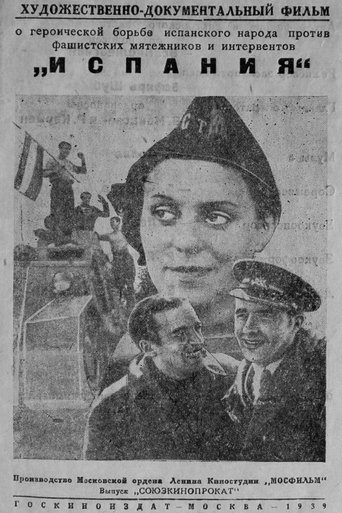
After many years of confrontation, the treasures of Spain and France are empty. In 1721, the regent of France draws up an ambitious plan to inaugurate an era of peace and prosperity that will heal the economies of both nations: his intention is to build a solid network of marriage alliances that will involve four children of very different ages who know nothing of betrayals and power games…
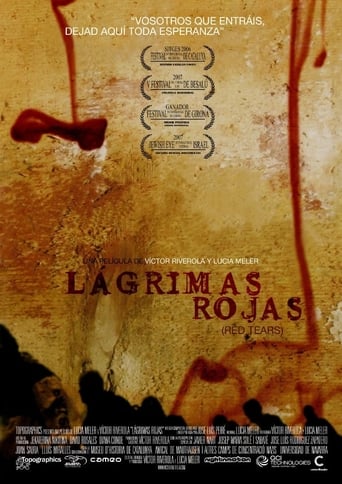
Manuela is left behind when her husband Justo fights for his ideals against Franco's Nationalists during the Spanish Civil War. He is deported to a concentration camp, and upon his release, continues the fight against nationalism in the French resistance. Years pass without a word from him, but his wife never gives up hope of seeing him again.
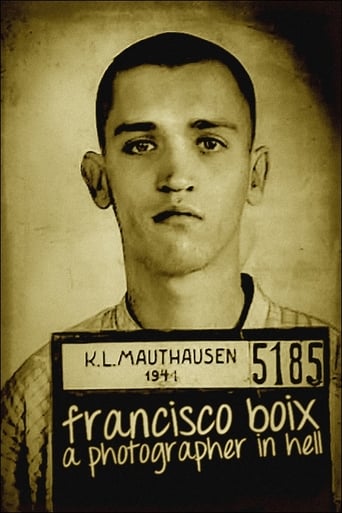
In 1939, just finished the Spanish Civil War, Spanish republican photographer Francesc Boix escapes from Spain; but is captured by the Nazis in 1940 and imprisoned in the Mauthausen concentration camp, in Austria, a year later. There, he works as a prisoner in the SS Photographic Service, hiding, between 1943 and 1945, around 20,000 negatives that later will be presented as evidence during several trials conducted against Nazi war criminals after World War II.
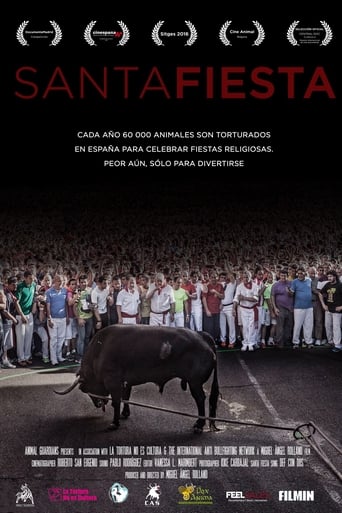
SINOPSIS / SYNOPSIS Every year in Spain, some 16,000 Fiestas are organized, during which animals are used. Honoring the Holy Virgin and the Patron Saints, and with the blessing of religious and political authorities, entire towns -including children- are involved in celebrations of unbelievable cruelty. 60,000 animals are hence abused each year during these “Fiestas of Blood”.