

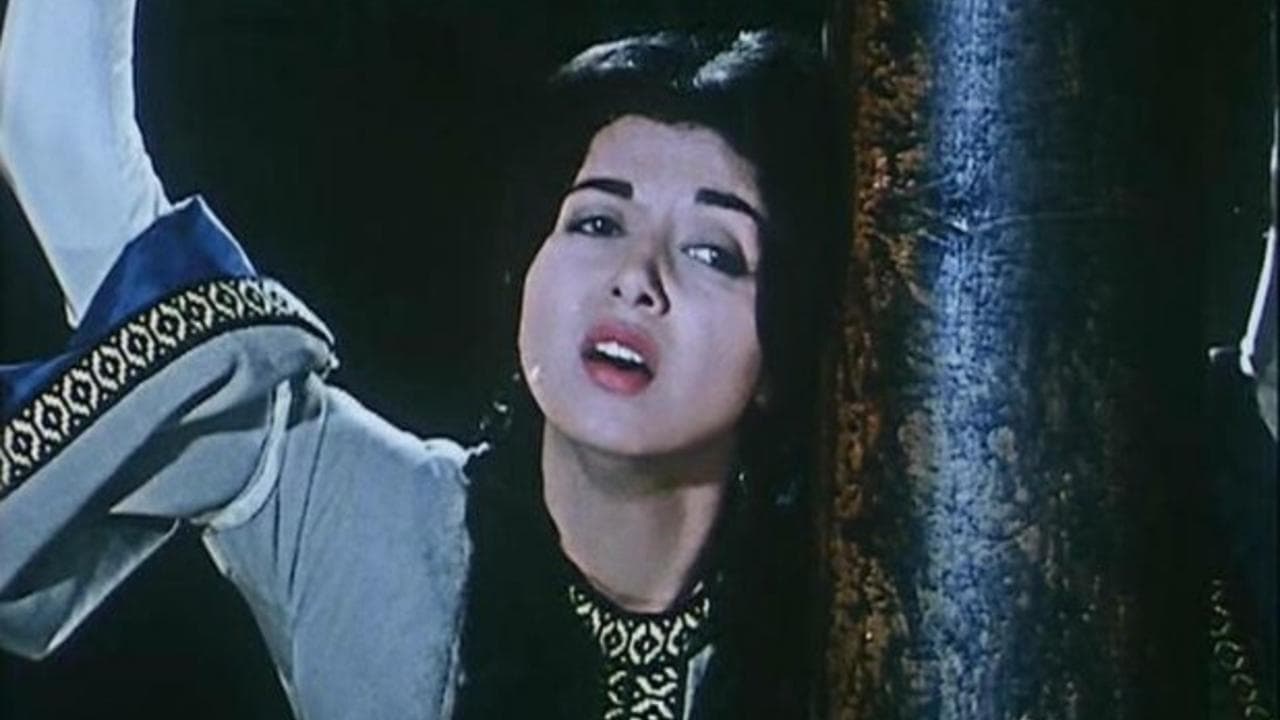

Rabea Al Adaweiah
History
Overview
Rabi'a al-Adawiyya is a classic film from 1963 based on the life of the early Sufi saint and poet Rabi'a al-Adawiyya, also known as Rabi'a al Basri, in the second Islamic century.

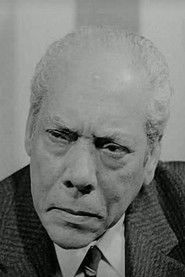




Nabila Obeid
Nabila Obeid
Rabi'a Al Adawia
Nabila Obeid
Rabi'a Al Adawia
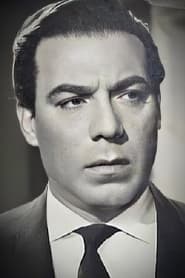
Farid Shawqy
Farid Shawqy
Khalil
Farid Shawqy
Khalil
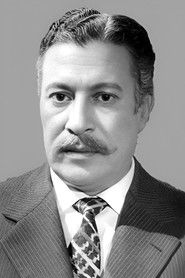
Emad Hamdy
Emad Hamdy
Issam El-Din
Emad Hamdy
Issam El-Din

Hussein Reyaad
Hussein Reyaad
Sheikh Thuban
Hussein Reyaad
Sheikh Thuban

Umm Kulthum
Umm Kulthum
Ghina'
Umm Kulthum
Ghina'
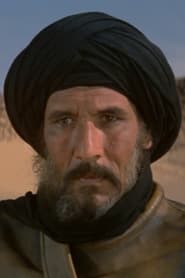
Abdallah Ghaith
Abdallah Ghaith
thief
Abdallah Ghaith
thief
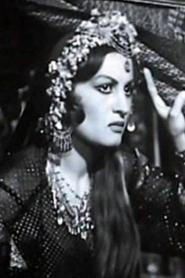
Salwa Mahmoud
Salwa Mahmoud
Abida
Salwa Mahmoud
Abida

Abdel Ghani Qamar
Abdel Ghani Qamar
slave trader
Abdel Ghani Qamar
slave trader

Hassan Hamed
Hassan Hamed
Hassan Hamed
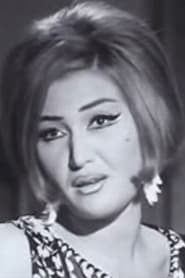
Sherifa Maher
Sherifa Maher
Dalal
Sherifa Maher
Dalal
Similar Movies

This exclusive documentary follows the journey of some of the worlds leading Muslim thinkers in a gathering that took place at the heart of an ancient Islamic city It was Habib Umar's first trip to the Maghreb and the film captures his travels and responses as he journeys through a land brimming with spirituality, knowledge and vast history. From the serene courtyards of the University of Qarawiyyin to busling souk streets, from walled city of Fez to the mountainous sanctuary of Moulay Idris, the film shares the spiritual secrets of the places and their stories. The beauty of the great city of Fez, founded by descendants of the Noble Prophet (May Allah swt shower blessings upon him), is shared by a visitor who is himself a direct descendant of that great household. The result is a moving meeting of two traditions that form the very core of great Islamic narrative.

In this Sufi tale, Nadia, a young Moroccan emigre returns from Paris to Fez to visit her dying father. At his funeral, she is overcome by the voice of Karina chanting the Koran. A powerful friendship develops between the two women as they decide to turn the father's palace into a shelter for Muslim women.
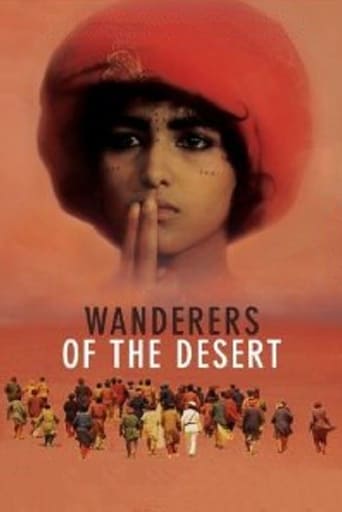
A young teacher arrives to take over a village school isolated in the shimmering desert. Legendary figures materialize out of wells and the desert itself, groups of children hurry through a labyrinth of underground corridors, and the teacher is whisked away to a mysterious rendezvous and never returns.
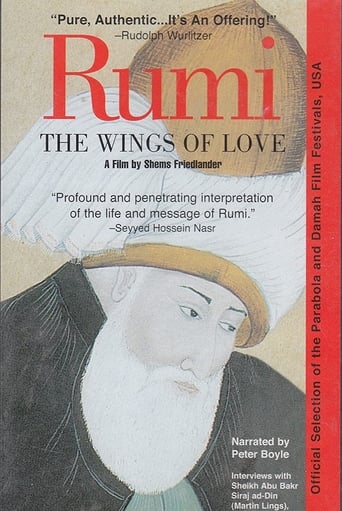
Creened in several international film festivals, as well as the Musée de L’Homme in Paris, this film takes viewers into a secret world rarely seen by outsiders. Nearly eight centuries after his death, Mevlana Jalaluddin Rumi, Sufi master and mystical poet, is ever-present in the whirling ceremony of today’s Mevlevi dervishes. The Halveti zikr, Mevlevi semas, and the Gharib, or secret, sema-not seen for over 100 years-were filmed in Cairo, Istanbul, and the Garden of Rumi in Konya. This unique footage set to Mevlevi music is enhanced by interviews with Sheikh Abu Bakr Siraj ad-Din (Martin Lings), Islamic philosopher and author Seyyed Hossein Nasr, and Sheikh Omer Tugrel Inancer, who reveals the hidden meaning of the reed flute.

Orphaned in Africa as a child, Lilly escapes to England as a refugee, fleeing civil war in Ethiopia. Lost in this cold new world, Lilly embraces the immigrant community in London, attempting to reunite people with their scattered families. But as her friend Amina discovers, Lilly's mission isn't purely selfless: a passionate lost love affair is revealed.
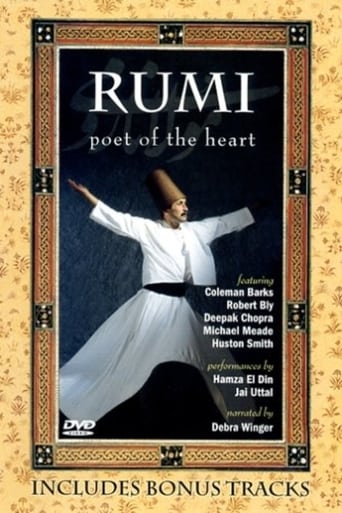
In 1244, Jelaluddin Rumi, a Sufi scholar in Konya, Turkey, met an itinerant dervish, Shams of Tabriz. A powerful friendship ensued. When Shams died, the grieving Rumi gripped a pole in his garden, and turning round it, began reciting imagistic poetry about inner life and love of God. After Rumi's death, his son founded the Mevlevi Sufi order, the whirling dervishes. Lovers of Rumi's poems comment on their power and meaning, including religious historian Huston Smith, writer Simone Fattal, poet Robery Bly, and Coleman Barks, who reworks literal translations of Rumi into poetic English. Musicians accompany Barks and Bly as they recite their versions of several of Rumi's ecstatic poems.