

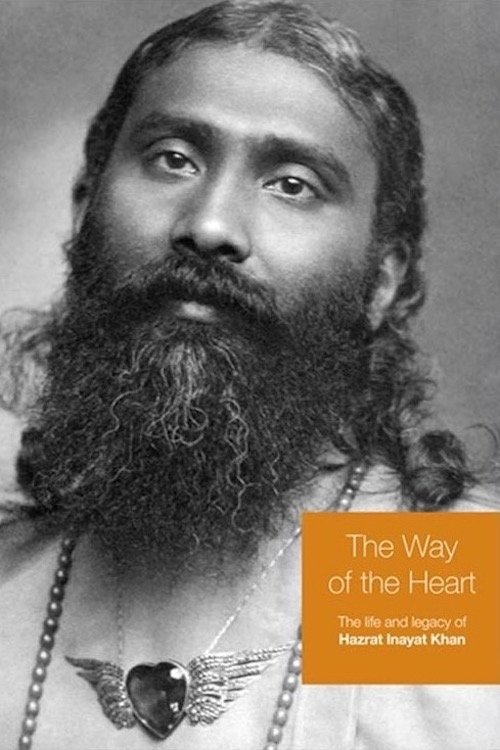
The Way of the Heart
Documentary
Overview
The Way of the Heart is the story of a spiritual master who brought the wisdom of Sufism to the West in 1910. Today the message of love, harmony, and beauty that Hazrat Inayat Khan gave to a troubled world is more urgently needed than ever. Award-winning filmmaker Mischa Scorer weaves a tapestry of music, sound, and compelling images together with the testimony of many contemporary Western Sufis to evoke the magical atmosphere of a consummate mystic.



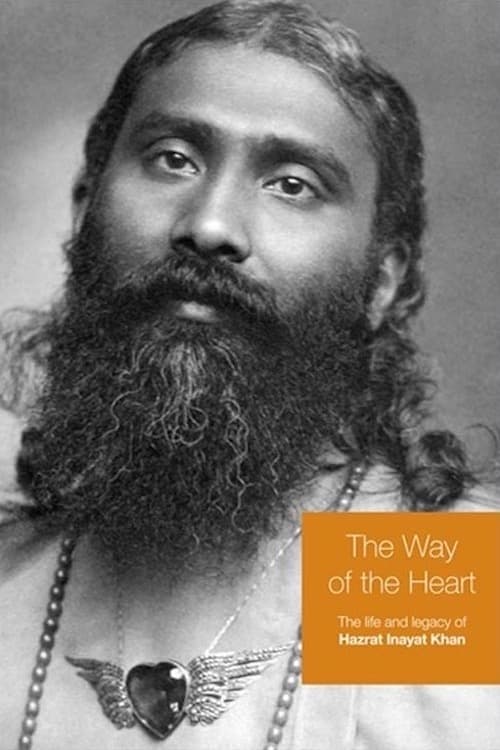
Zia Inayat-Khan
Zia Inayat-Khan
Zia Inayat-Khan
Sharif Munawwir Graham
Sharif Munawwir Graham
Sharif Munawwir Graham
Mahmood Khan
Mahmood Khan
Self - Nephew
Mahmood Khan
Self - Nephew
Hidayat Inayat-Khan
Hidayat Inayat-Khan
Hidayat Inayat-Khan
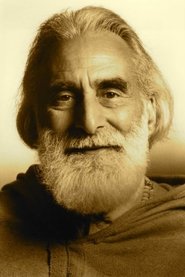
Vilayat Inayat Khan
Vilayat Inayat Khan
Self (archive footage)
Vilayat Inayat Khan
Self (archive footage)
Shabda Kahn
Shabda Kahn
Shabda Kahn
Fazl Terry Peay
Fazl Terry Peay
Fazl Terry Peay
Deepa Gulrukh Patel
Deepa Gulrukh Patel
Deepa Gulrukh Patel
Saki Lee
Saki Lee
Saki Lee
Taj Inayat
Taj Inayat
Taj Inayat
Similar Movies
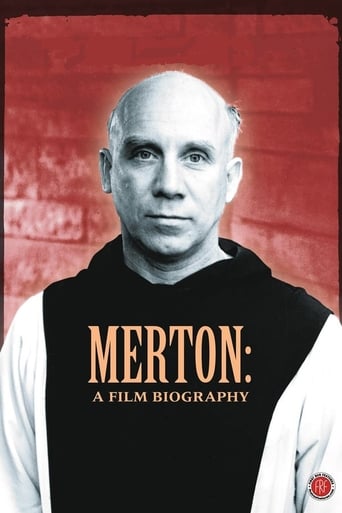
In his lifetime, Thomas Merton was hailed as a prophet and censured for his outspoken social criticism. For nearly 27 years he was a monk of the austere Trappist order, where he became an eloquent spiritual writer and mystic as well as an anti-war advocate and witness to peace. Merton: A Film Biography provides the first comprehensive look at this remarkable 20th century religious philosopher who wrote, in addition to his immensely popular autobiography The Seven Storey Mountain, over 60 books on some of the most pressing social issues of our time, some of which are excerpted here. Merton offers an engaging profile of a man whose presence in the world touched millions of people and whose words and thoughts continue to have a profound impact and relevance today.
Is My Living in Vain is a meditation on the continuing history and emancipatory potential of the Black church as a space of belonging, affirmation and community organising. Combining shot footage, oral histories and archive material from both sides of the Atlantic, the film follows a tangled thread of personal and collective memories to interrogate the church’s contribution to a Black radical tradition.

This exclusive documentary follows the journey of some of the worlds leading Muslim thinkers in a gathering that took place at the heart of an ancient Islamic city It was Habib Umar's first trip to the Maghreb and the film captures his travels and responses as he journeys through a land brimming with spirituality, knowledge and vast history. From the serene courtyards of the University of Qarawiyyin to busling souk streets, from walled city of Fez to the mountainous sanctuary of Moulay Idris, the film shares the spiritual secrets of the places and their stories. The beauty of the great city of Fez, founded by descendants of the Noble Prophet (May Allah swt shower blessings upon him), is shared by a visitor who is himself a direct descendant of that great household. The result is a moving meeting of two traditions that form the very core of great Islamic narrative.
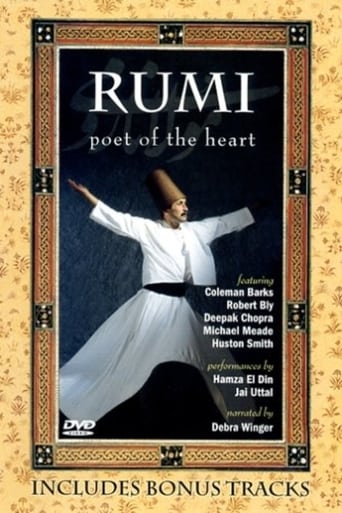
In 1244, Jelaluddin Rumi, a Sufi scholar in Konya, Turkey, met an itinerant dervish, Shams of Tabriz. A powerful friendship ensued. When Shams died, the grieving Rumi gripped a pole in his garden, and turning round it, began reciting imagistic poetry about inner life and love of God. After Rumi's death, his son founded the Mevlevi Sufi order, the whirling dervishes. Lovers of Rumi's poems comment on their power and meaning, including religious historian Huston Smith, writer Simone Fattal, poet Robery Bly, and Coleman Barks, who reworks literal translations of Rumi into poetic English. Musicians accompany Barks and Bly as they recite their versions of several of Rumi's ecstatic poems.
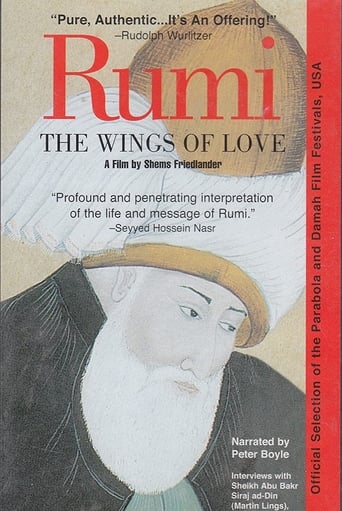
Creened in several international film festivals, as well as the Musée de L’Homme in Paris, this film takes viewers into a secret world rarely seen by outsiders. Nearly eight centuries after his death, Mevlana Jalaluddin Rumi, Sufi master and mystical poet, is ever-present in the whirling ceremony of today’s Mevlevi dervishes. The Halveti zikr, Mevlevi semas, and the Gharib, or secret, sema-not seen for over 100 years-were filmed in Cairo, Istanbul, and the Garden of Rumi in Konya. This unique footage set to Mevlevi music is enhanced by interviews with Sheikh Abu Bakr Siraj ad-Din (Martin Lings), Islamic philosopher and author Seyyed Hossein Nasr, and Sheikh Omer Tugrel Inancer, who reveals the hidden meaning of the reed flute.
In Adios Amor, the discovery of lost photographs sparks the search for a hero that history forgot—Maria Moreno, a migrant mother driven to speak out by her twelve children’s hunger. Years before Cesar Chavez and Dolores Huerta launched the United Farm Workers, Maria picked up the only weapon she had—her voice—and became an outspoken leader in an era when women were relegated to the background. The first farm worker woman in America to be hired as a union organizer, Maria’s story was silenced and her legacy buried—until now.
In this fascinating and unusual conversation, writer and physician Deepak Chopra talks to religion professor Robert Thurman about the connections and differences between two of India's most important philosophical beliefs: Vedanta and Buddhism. Chopra explores the foundation of Vedanta, while Thurman -- the father of actress Uma Thurman -- provides the Buddhist point of view in this meeting held in 1999 at New York City's Tibet House.