

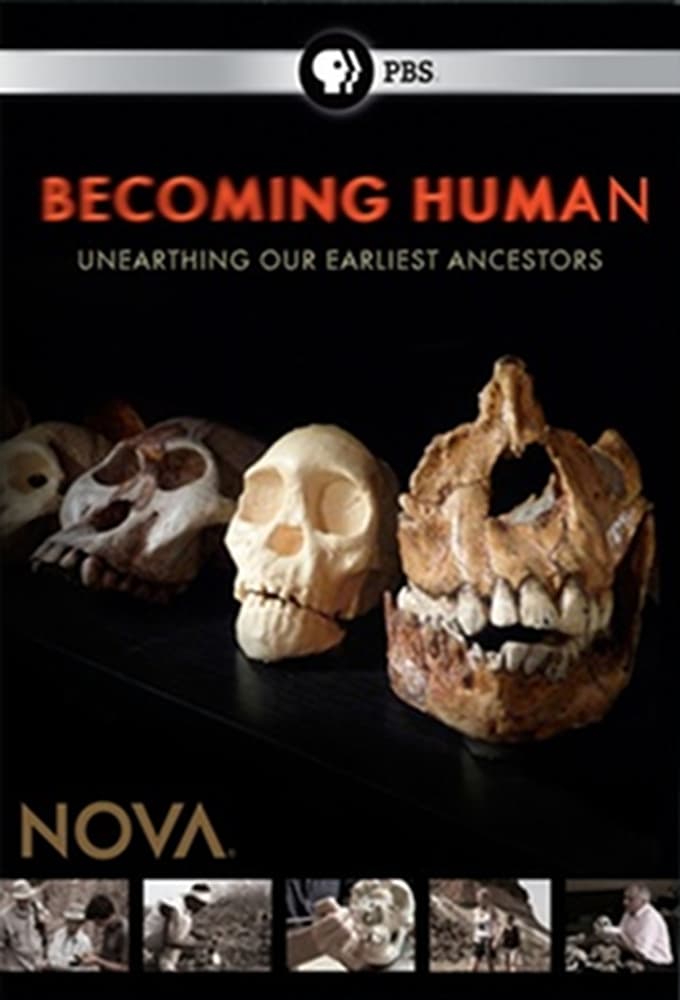
Becoming Human
Documentary
Overview
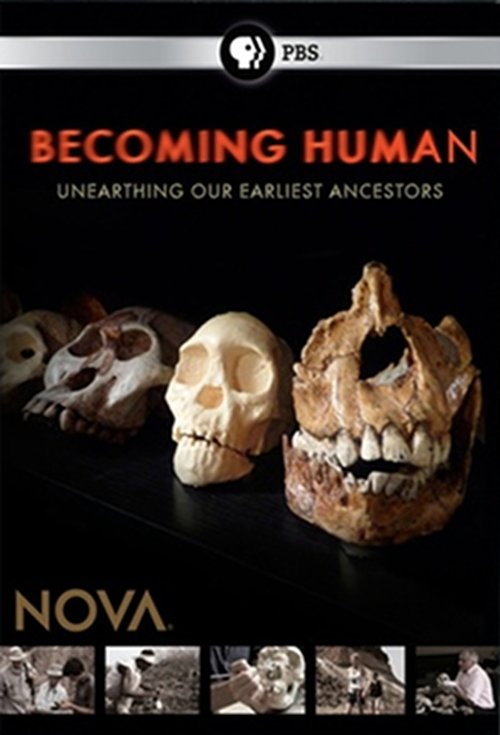
NOVA's groundbreaking investigation explores how new discoveries are transforming views of our earliest ancestors. Becoming Human explores the origins of us -where modern humans and our capacities for art, invention, and survival came from, and how our social history led to 3-5% of our genetic heritage being Neanderthal. Featuring interviews with world-renowned scientists, footage shot in the trenches as fossils were unearthed, and stunning computer-generated animation, Becoming Human brings early hominids to life, examining how they lived and how we became the creative and adaptable modern humans of today. In gripping forensic detail, we meet: Selam, the amazingly complete remains of a 3 million year-old child, packed with clues to why we split from the apes, came down from the trees, and started walking upright; Turkana Boy -a tantalizing fossil of Homo erectus, the first ancestor to leave Africa and colonize the globe. What led to this first great African exodus?
Top Cast

Juan Luis Arsuaga
Juan Luis Arsuaga
Himself
Juan Luis Arsuaga
Himself
Dominique Bonjean
Dominique Bonjean
Himself
Dominique Bonjean
Himself
Similar Movies
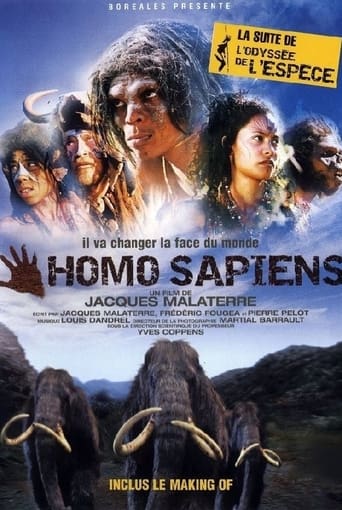
Two hundred and fifty thousand years ago, the first direct representative of our species appeared on earth: Homo Sapiens... From 400,000 to 20,000 BC, we follow the destiny of Homo Erectus, Neanderthal and Sapiens. We will thus discover the appearance of language, art, cults, agriculture, and breeding.
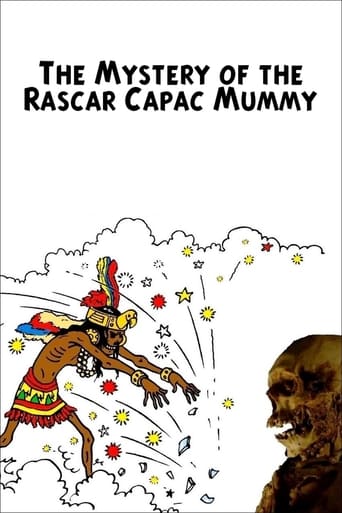
Rascar Capac, the sinister creature featured on Hergé's album The Seven Crystal Balls (1948), has left its mark on many generations of readers. To draw it, the Belgian cartoonist was probably inspired by a mummy exhibited in the first pre-Columbian exhibition organized by the Brussels Cinquantenaire Museum in 1923. Two intrepid archaeologists embark on a fascinating journey to reconstruct the story of the mysterious mummy.
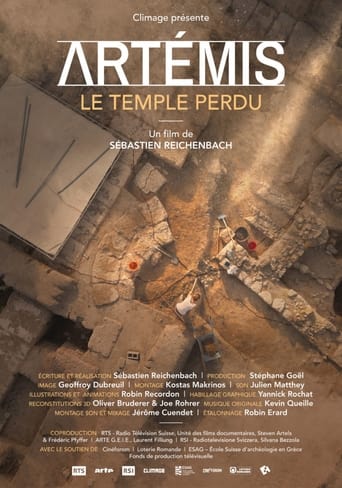
The location of the sanctuary of Artemis at Amarynthos has long remained one of the last great archaeological enigmas of Ancient Greece. This vast Artemision is mentioned in several ancient texts, which even go so far as to specify the distance that separates the sanctuary from the ancient city of Eretria. But despite the efforts of numerous scientific expeditions since the end of the 19th century, no trace of the sanctuary or its temple has ever been found. In the 1960s, a young archaeologist - Denis Knoepfler - set out in search of the lost temple of Artemis. His investigations soon led him into the hinterland of the island of Euboea, well beyond the limits of previous expeditions. It would take five decades of searching, unshakeable faith and moving tons of earth to finally unravel the mystery. In 2017, a tenacious Swiss-Greek team of archaeologists formally identified the sanctuary of Artemis, where Denis Knoepfler had predicted it lay buried.
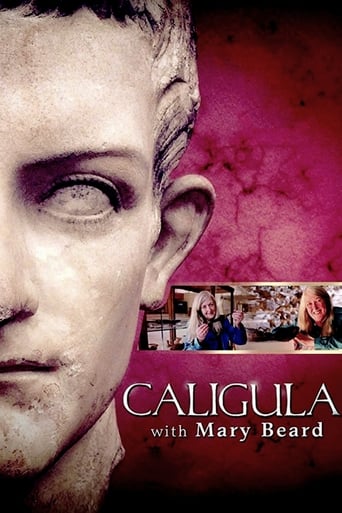
What is true and what is false in the hideous stories spread about the controversial figure of the Roman emperor Gaius Julius Caesar Augustus Germanicus (12-41), nicknamed Caligula? Professor Mary Beard explains what is accurate and what is mythical in the historical accounts that portray him as an unbalanced despot. Was he a sadistic tyrant, as Roman historians have told, or perhaps the truth about him was manipulated because of political interests?
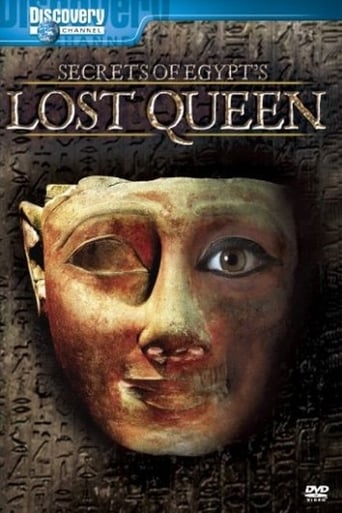
Move over, King Tut: There's a new pharaoh on the scene. A team of top archaeologists and forensics experts revisits the story of Hatshepsut, the woman who snatched the throne dressed as a man and declared herself ruler. Despite her long and prosperous reign, her record was all but eradicated from Egyptian history in a mystery that has long puzzled scholars. But with the latest research effort captured in this program, history is about to change.
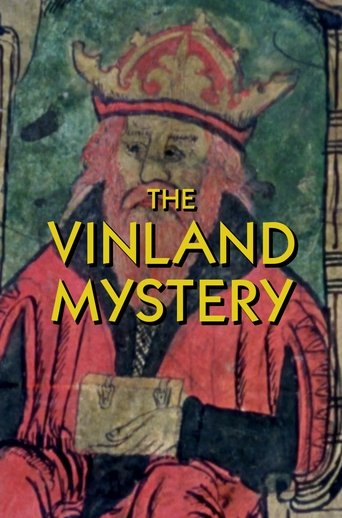
This short documentary depicts the search, discovery and authentication of the only known Norse settlement in North America - Vinland the Good. Mentioned in Icelandic manuscripts and speculated about for over two centuries, Vinland is known as "the place where the wild grapes grow" and was thought to be on the eastern coast between Virginia and Newfoundland. In 1960 a curious group of house mounds was uncovered at l'Anse aux Meadows in northern Newfoundland by Drs. Helge Ingstad and Anne Stine Ingstad of Norway. Added to the United Nations World Heritage List, l'Anse aux Meadows is considered one of the most important archaeological sites in the world.
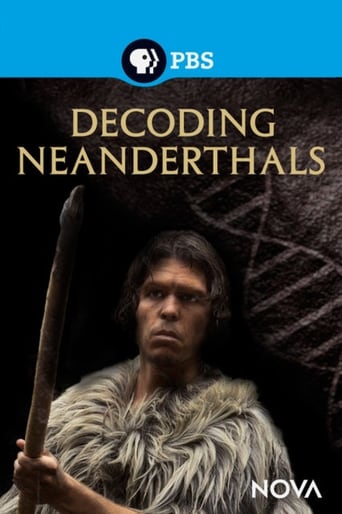
Over 60,000 years ago, the first modern humans left their African homeland and entered Europe, then a bleak and inhospitable continent in the grip of the Ice Age. But when they arrived, they were not alone: the stocky, powerfully built Neanderthals had already been living there for hundreds of thousands of years. So what happened when the first modern humans encountered the Neanderthals? Did they make love or war?