

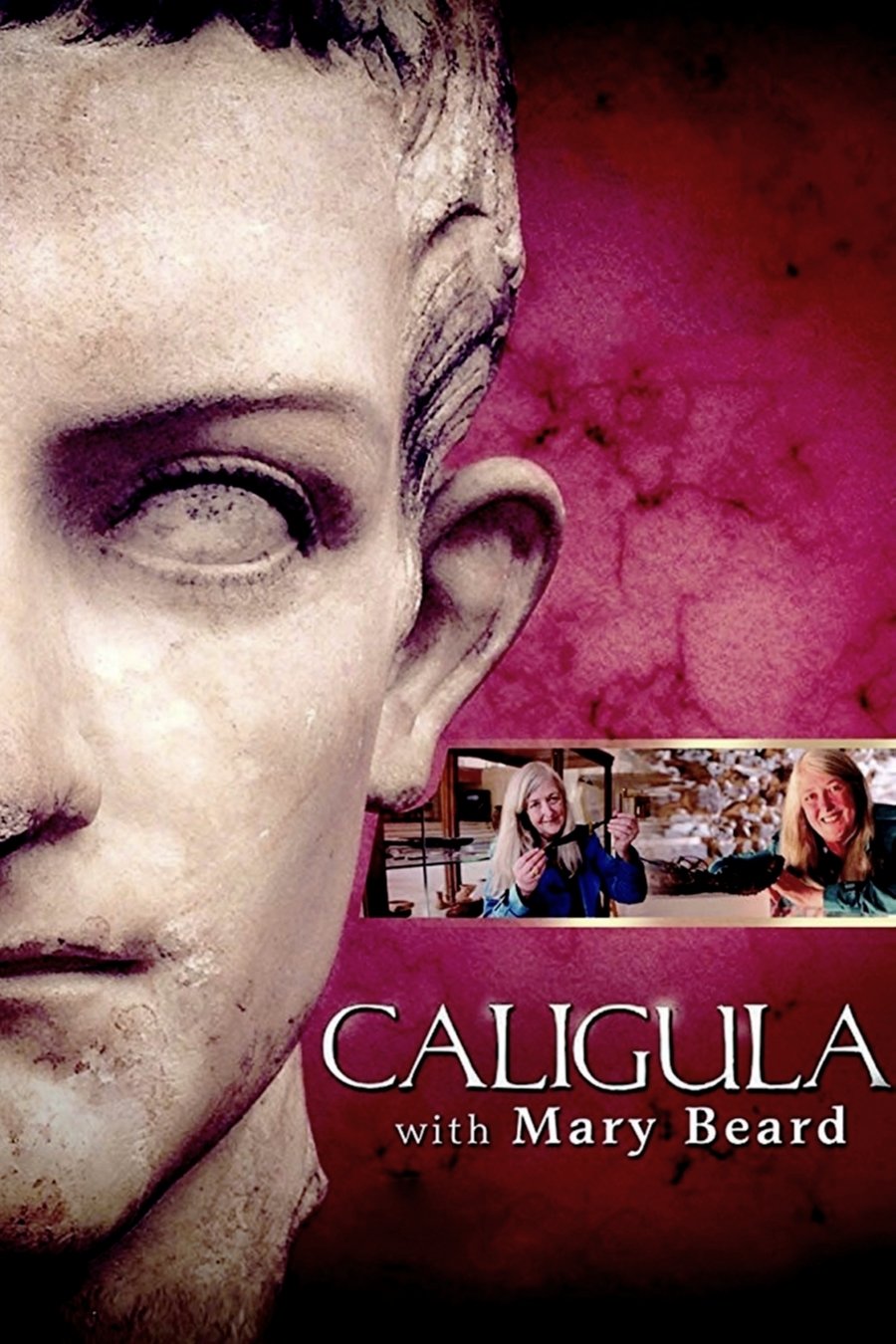
Caligula with Mary Beard
Documentary · History
Overview
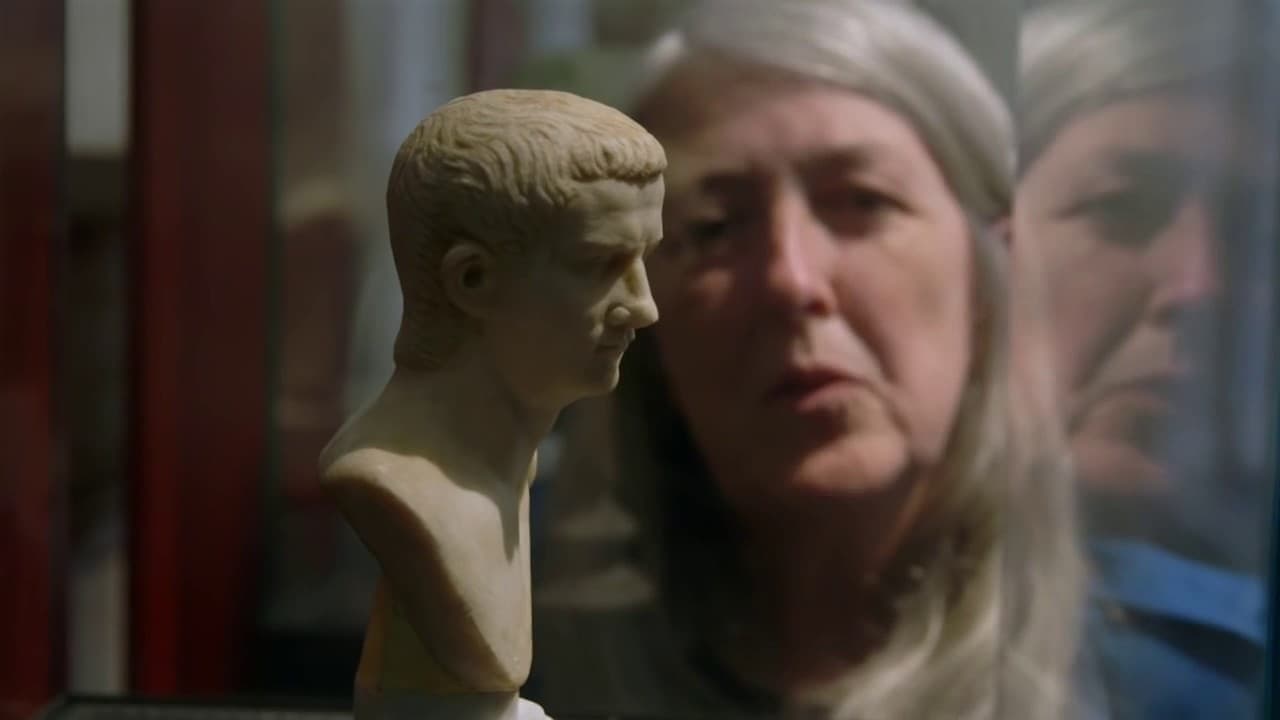
What is true and what is false in the hideous stories spread about the controversial figure of the Roman emperor Gaius Julius Caesar Augustus Germanicus (12-41), nicknamed Caligula? Professor Mary Beard explains what is accurate and what is mythical in the historical accounts that portray him as an unbalanced despot. Was he a sadistic tyrant, as Roman historians have told, or perhaps the truth about him was manipulated because of political interests?








Mary Beard
Mary Beard
Self - Host
Mary Beard
Self - Host
Greg Woolf
Greg Woolf
Self - Historian
Greg Woolf
Self - Historian
Timothy Peter Wiseman
Timothy Peter Wiseman
Self - Historian
Timothy Peter Wiseman
Self - Historian
Catharine Edwards
Catharine Edwards
Self - Historian
Catharine Edwards
Self - Historian
Henry Hurst
Henry Hurst
Self - Archeologist
Henry Hurst
Self - Archeologist
Similar Movies

Augustus is reputed to have been a violent, adventurous, power-hungry and unscrupulous warlord. Yet as founder of the Roman Empire, he ushered in a period of peace and prosperity. Drawing on the analysis of several historians, this documentary traces an extraordinary destiny: posthumously adopted by his great-uncle Julius Caesar, Octavian, the future Augustus, accepted an inheritance fraught with consequences. Having made his own empire prosper, he wrote his political will at the age of 76, without naming an heir. How was the succession of this childless strategist organized?
After the death of Octavian, the rebel populations of Illyria and Pannonia pose a grave threat to the Roman Empire. Tribune Marcus Ventidius is sent to subdue the uprising and, after a bitter battle, captures Pannonian chief Magdus together with a number of women hostages. These include Magdus's own daughter Helen, betrothed to cruel Illyrian warrior Batone who has killed many Romans. Julia, daughter of the Roman governor Messala, is in love with Tribune Marcus and, jealous of his sympathy for the barbarian girl, plots an escape by Helen and her father. Pursuing the fugitives, Marcus crosses a mountain pass where Batone has laid a trap.
In 2011, Maine State Prison launched a pioneering reform program to scale back its use of solitary confinement. Bafta and Emmy-winning film-maker Dan Edge and his co-director Lauren Mucciolo were given unprecedented access to the solitary unit - and filmed there for more than three years. The result is an extraordinary and harrowing portrait of life in solitary - and a unique document of a radical and risky experiment to reform a prison. The US is the world leader in solitary confinement. More than 80,000 American prisoners live in isolation, some have been there for years, even decades. Solitary is proven to cause mental illness, it is expensive, and it is condemned by many as torture. And yet for decades, it has been one of the central planks of the American criminal justice system.
In the Formative Period 4,000 years before the Incas and the arrival of the Conquistadors, Peru’s earliest civilizations - the Chavín, Caral, Ventarrón, Sechin, Cupisnique, and Cajamarca cultures - built centers of learning and technological achievements, including the largest work of hydrological engineering in the ancient Americas: the Cumbemayo canals.