

The Mystery of the Rascar Capac Mummy
Documentary · History · TV Movie
Overview
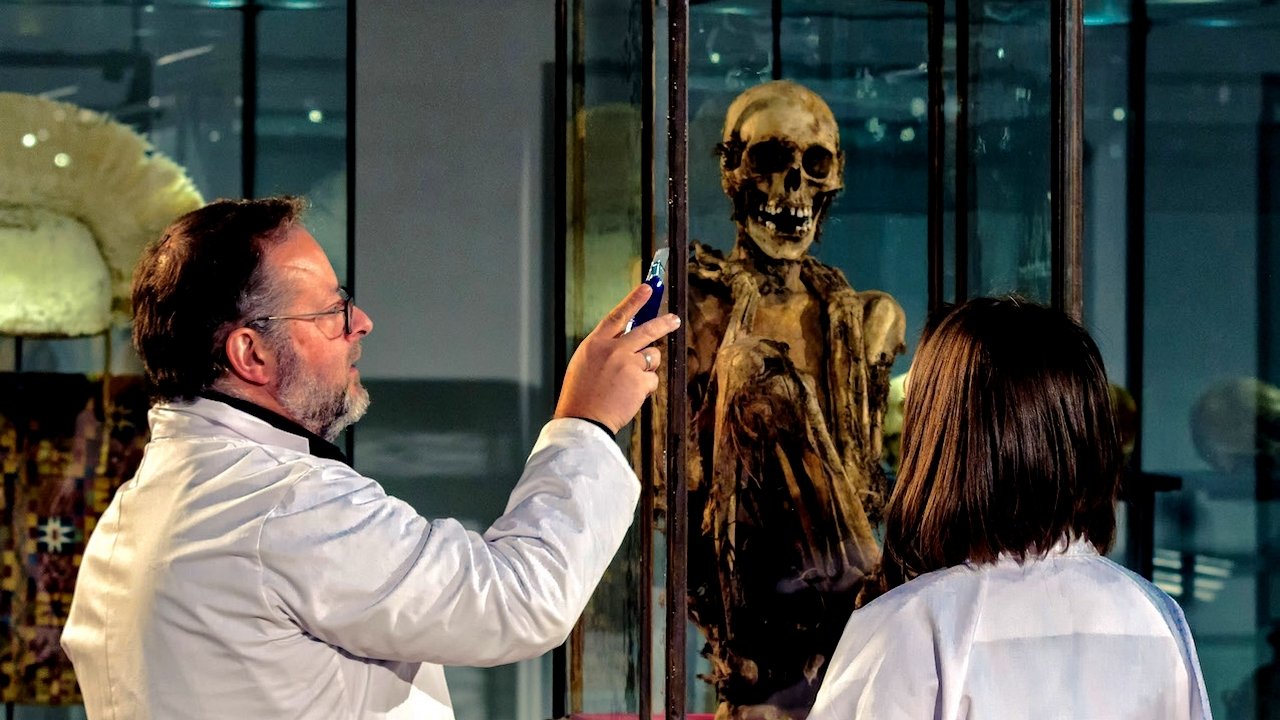
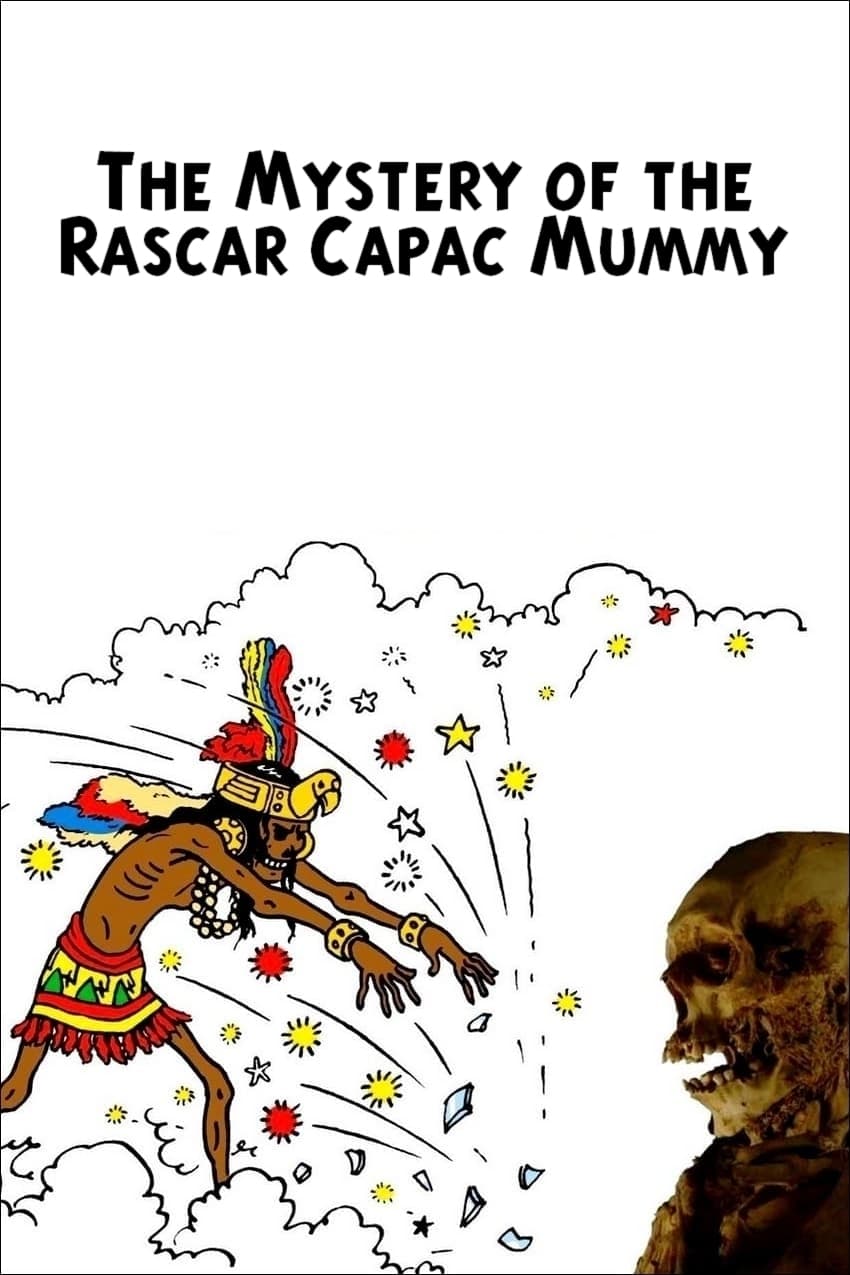
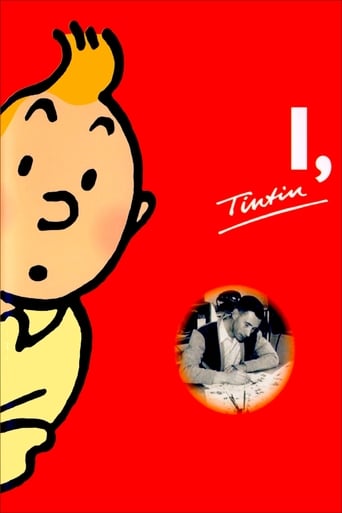
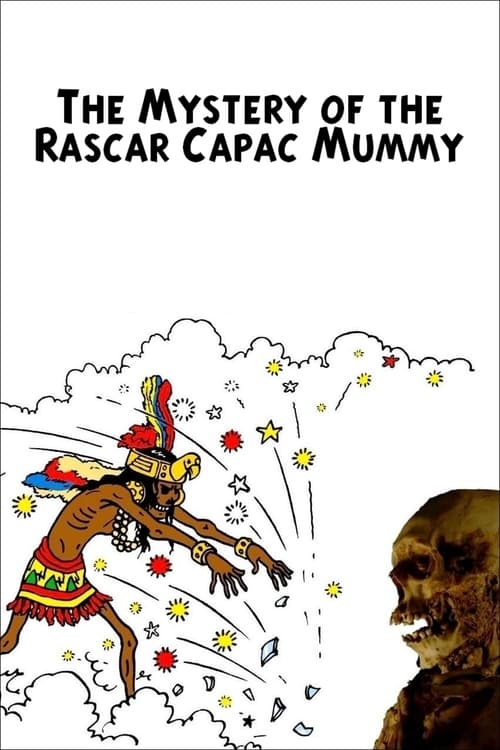
Rascar Capac, the sinister creature featured on Hergé's album The Seven Crystal Balls (1948), has left its mark on many generations of readers. To draw it, the Belgian cartoonist was probably inspired by a mummy exhibited in the first pre-Columbian exhibition organized by the Brussels Cinquantenaire Museum in 1923. Two intrepid archaeologists embark on a fascinating journey to reconstruct the story of the mysterious mummy.
Top Cast

Héléna Noguerra
Self - Narrator (voice)
Dominique Maricq
Self - Writer
Serge Lemaitre
Self - Archaeologist
Caroline Tilleux
Self - Archaeologist
Luc Delvaux
Self - Egyptologist
André Delpuech
Self - Archaeologist
Étienne Danse
Self - Radiologist
Jean-Philippe Hastir
Self - Scanner Technician
Elva Clara Torres Pino
Self - Anthropologist
Jean-Bernard Huchet
Self - Archaeoentomologist
Mathieu Boudin
Self - Carbon-14 Technician
Jean-Claude Alvarez
Self - Toxicologist

Héléna Noguerra
Héléna Noguerra
Self - Narrator (voice)
Héléna Noguerra
Self - Narrator (voice)
Dominique Maricq
Dominique Maricq
Self - Writer
Dominique Maricq
Self - Writer
Serge Lemaitre
Serge Lemaitre
Self - Archaeologist
Serge Lemaitre
Self - Archaeologist
Caroline Tilleux
Caroline Tilleux
Self - Archaeologist
Caroline Tilleux
Self - Archaeologist
Luc Delvaux
Luc Delvaux
Self - Egyptologist
Luc Delvaux
Self - Egyptologist
André Delpuech
André Delpuech
Self - Archaeologist
André Delpuech
Self - Archaeologist
Étienne Danse
Étienne Danse
Self - Radiologist
Étienne Danse
Self - Radiologist
Jean-Philippe Hastir
Jean-Philippe Hastir
Self - Scanner Technician
Jean-Philippe Hastir
Self - Scanner Technician
Elva Clara Torres Pino
Elva Clara Torres Pino
Self - Anthropologist
Elva Clara Torres Pino
Self - Anthropologist
Jean-Bernard Huchet
Jean-Bernard Huchet
Self - Archaeoentomologist
Jean-Bernard Huchet
Self - Archaeoentomologist
Similar Movies
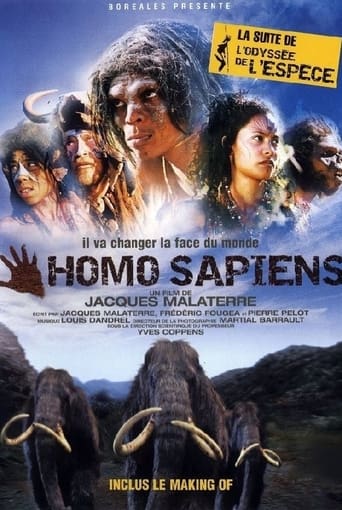
Two hundred and fifty thousand years ago, the first direct representative of our species appeared on earth: Homo Sapiens... From 400,000 to 20,000 BC, we follow the destiny of Homo Erectus, Neanderthal and Sapiens. We will thus discover the appearance of language, art, cults, agriculture, and breeding.
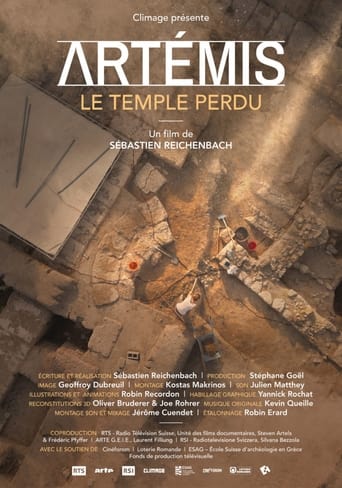
The location of the sanctuary of Artemis at Amarynthos has long remained one of the last great archaeological enigmas of Ancient Greece. This vast Artemision is mentioned in several ancient texts, which even go so far as to specify the distance that separates the sanctuary from the ancient city of Eretria. But despite the efforts of numerous scientific expeditions since the end of the 19th century, no trace of the sanctuary or its temple has ever been found. In the 1960s, a young archaeologist - Denis Knoepfler - set out in search of the lost temple of Artemis. His investigations soon led him into the hinterland of the island of Euboea, well beyond the limits of previous expeditions. It would take five decades of searching, unshakeable faith and moving tons of earth to finally unravel the mystery. In 2017, a tenacious Swiss-Greek team of archaeologists formally identified the sanctuary of Artemis, where Denis Knoepfler had predicted it lay buried.
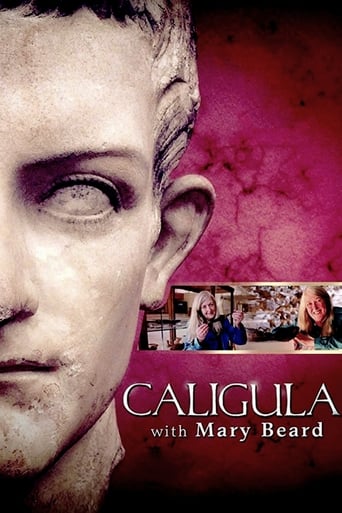
What is true and what is false in the hideous stories spread about the controversial figure of the Roman emperor Gaius Julius Caesar Augustus Germanicus (12-41), nicknamed Caligula? Professor Mary Beard explains what is accurate and what is mythical in the historical accounts that portray him as an unbalanced despot. Was he a sadistic tyrant, as Roman historians have told, or perhaps the truth about him was manipulated because of political interests?
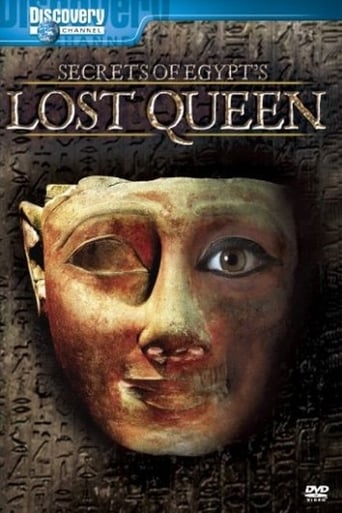
Move over, King Tut: There's a new pharaoh on the scene. A team of top archaeologists and forensics experts revisits the story of Hatshepsut, the woman who snatched the throne dressed as a man and declared herself ruler. Despite her long and prosperous reign, her record was all but eradicated from Egyptian history in a mystery that has long puzzled scholars. But with the latest research effort captured in this program, history is about to change.
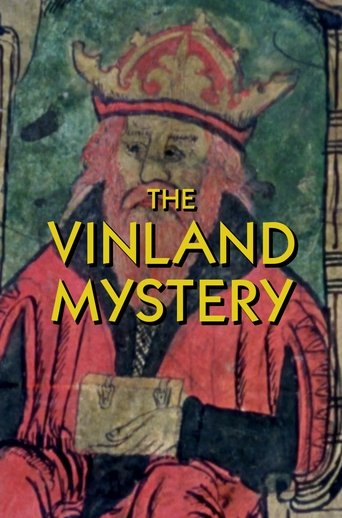
This short documentary depicts the search, discovery and authentication of the only known Norse settlement in North America - Vinland the Good. Mentioned in Icelandic manuscripts and speculated about for over two centuries, Vinland is known as "the place where the wild grapes grow" and was thought to be on the eastern coast between Virginia and Newfoundland. In 1960 a curious group of house mounds was uncovered at l'Anse aux Meadows in northern Newfoundland by Drs. Helge Ingstad and Anne Stine Ingstad of Norway. Added to the United Nations World Heritage List, l'Anse aux Meadows is considered one of the most important archaeological sites in the world.