

Black Ice
Documentary
Overview
When the Greenpeace ship Arctic Sunrise set sail in 2013 to protest the first ever oil drilling in the Arctic Ocean, none of the people on board could have known what was coming. Seized at gunpoint by Russian special forces, the 'Arctic 30' were thrust into headlines all over the world, facing up to 15 years in prison and finding themselves at the centre of a bitter international dispute.




No cast information.
Similar Movies
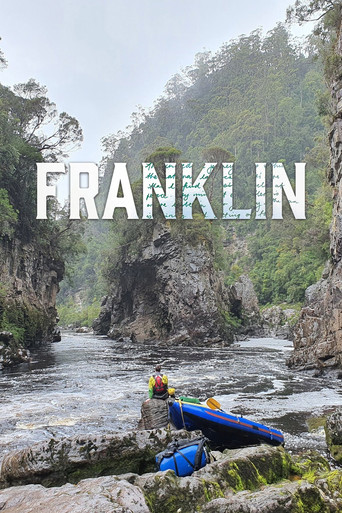
Eighth-generation Tasmanian and environmentalist Oliver Cassidy embarks on a life-changing solo rafting trip down the beautiful yet remote Franklin River. His goal is to retrace his late father’s 14-day expedition to attend the blockade that helped save the World-Heritage listed national park from being destroyed by a huge hydroelectric dam project in the early 1980s.

This pioneering documentary film depicts the lives of the indigenous Inuit people of Canada's northern Quebec region. Although the production contains some fictional elements, it vividly shows how its resourceful subjects survive in such a harsh climate, revealing how they construct their igloo homes and find food by hunting and fishing. The film also captures the beautiful, if unforgiving, frozen landscape of the Great White North, far removed from conventional civilization.
Like a lone cowboy, Sergei passionately devotes his life to traditional horse breeding in the impenetrable Arctic Sakha; permafrost and the absence of roads, electricity and channels of communication mean that there is nobody else to rely on but oneself. Sergei is sensitive and introspective; he truly cares about his family, community and treats nature with the utmost respect. He loves the independence and freedom this life brings, despite the immense sacrifices that it necessitates, such as total isolation and being a stranger to his own children. Spectacular camerawork characterizes the Sakha horses in all their magnificence, and juxtaposes the post-soviet towns and the boundless taiga landscapes, where the cold bites through the screen.
One of the most important Kentuckians of the 20th century, Harry Caudill brought the story of Appalachia to national attention when his book “Night Comes to the Cumberlands” was released in 1963. The nonfiction account of Eastern Kentucky’s coal region, part history and part polemic, eloquently recounted the exploitation of Appalachia’s land and its people by business and government interests, and made Caudill a national spokesperson for his homeland. Harry Caudill spent his life advocating for Eastern Kentucky, with the aim of helping the powerless as well as securing the region’s unmatched natural resources for future generations. His work led to lasting government reforms for Appalachia, and his legacy remains a touchstone for activists today.
Since World War II North Americans have invested much of their newfound wealth in suburbia. It has promised a sense of space, affordability, family life and upward mobility. As the population of suburban sprawl has exploded in the past 50 years Suburbia, and all it promises, has become the American Dream. But as we enter the 21st century, serious questions are beginning to emerge...
PUMP is a documentary that tells the story of America’s addiction to oil, from its corporate conspiracy beginnings to its current monopoly today, and explains clearly and simply how we can end it — and finally win choice at the pump. Today, oil is our only option for transportation-fuel at the pump. Our exclusive use of it has drained our wallets, increased air pollution and sent our sons and daughters to war in faraway lands. PUMP shows how, through the use of a variety of replacement fuels, we will be able to fill up our cars — cheaper, cleaner and American made — and in the process create more jobs for a stronger, healthier economy. Narrated by Jason Bateman and featuring notable experts such as John Hofmeister former President of Shell Oil, and Elon Musk, the CEO of Tesla Motors, PUMP will forever change the way you think about your car — and the fuel that powers it.

Oil is a primary energy source in the world. Global oil consumption reached approximately 95 million barrels per day but oil fields' quality is constantly declining. A team of Russian scientists came up with more accurate, cheaper, and faster technology that can increase the oil production rate. After all, modern civilization is built in the way that 'to live well' means 'consume more oil'
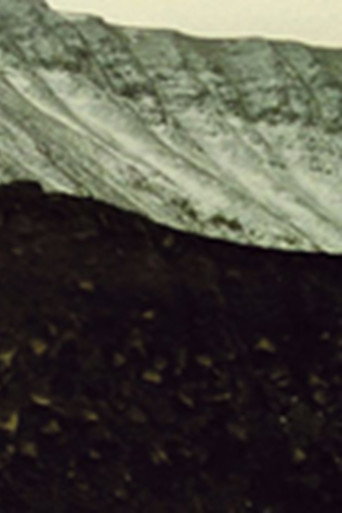
"Adrift" is shot on the arctic island of Spitzbergen and in Norway. It combines time-lapse photography with stop-motion animation of the landscape. Through camera-angles and framing the film gradually dislocates the viewer from a stable base where one loses the sense of scale and grounding.