

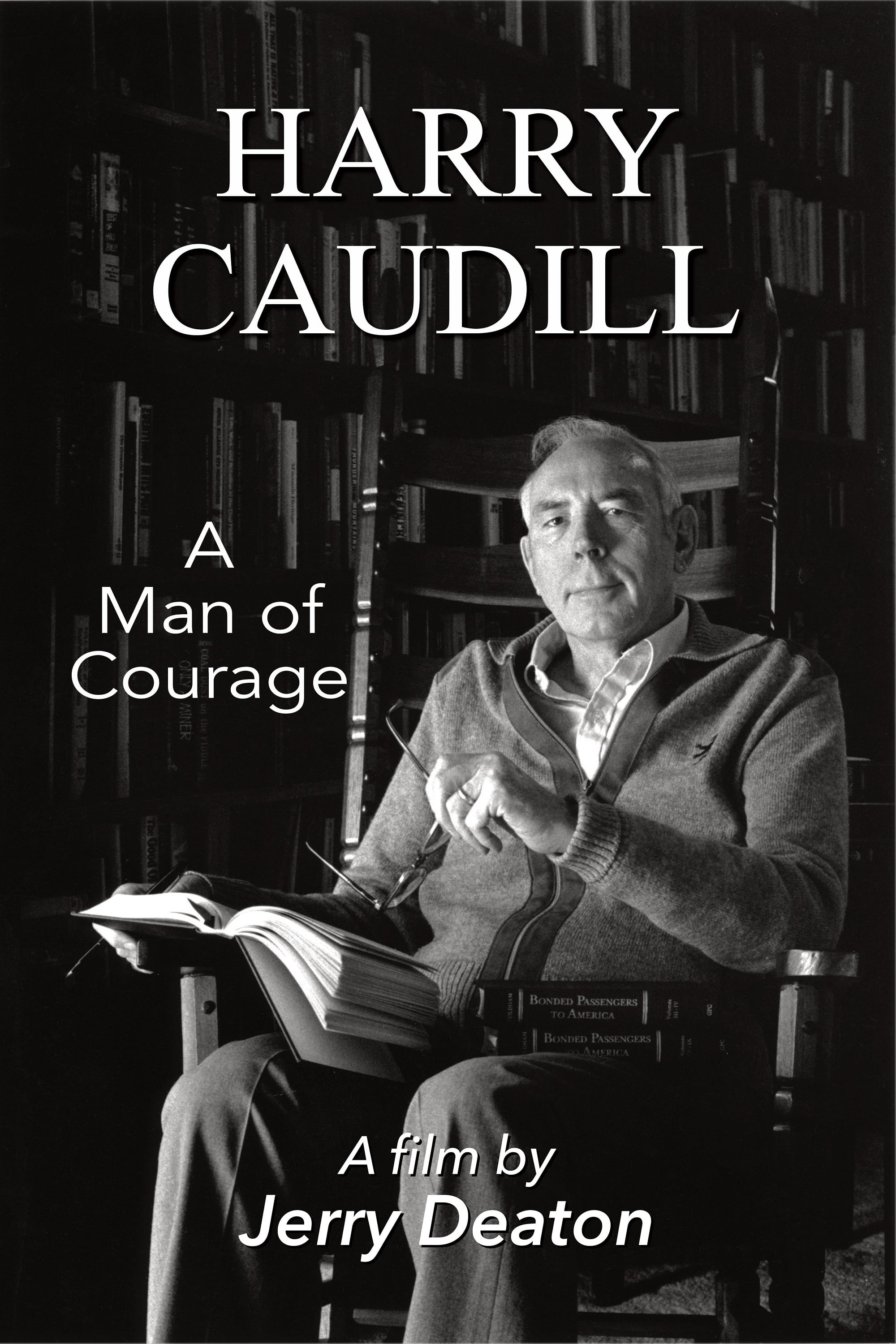
Harry Caudill: A Man of Courage
History · Documentary
Overview
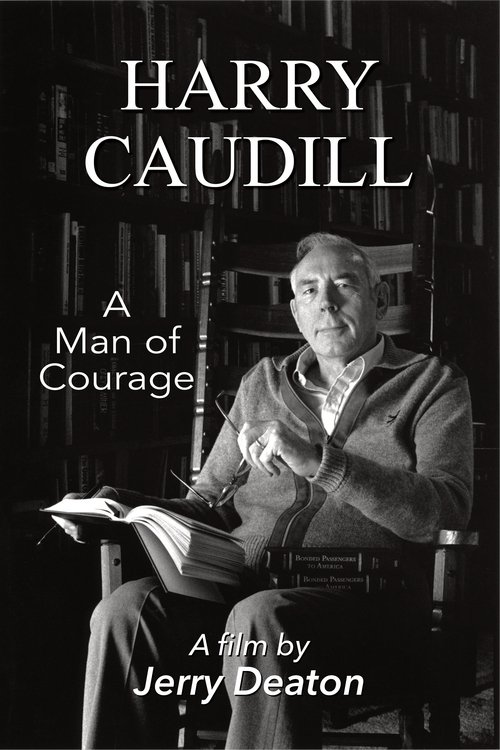
One of the most important Kentuckians of the 20th century, Harry Caudill brought the story of Appalachia to national attention when his book “Night Comes to the Cumberlands” was released in 1963. The nonfiction account of Eastern Kentucky’s coal region, part history and part polemic, eloquently recounted the exploitation of Appalachia’s land and its people by business and government interests, and made Caudill a national spokesperson for his homeland. Harry Caudill spent his life advocating for Eastern Kentucky, with the aim of helping the powerless as well as securing the region’s unmatched natural resources for future generations. His work led to lasting government reforms for Appalachia, and his legacy remains a touchstone for activists today.





No cast information.
Similar Movies

Glace Bay, Nova Scotia Canada, 1901. Willie MacLean is a 10-year-old boy with a love for horses and liking to school to cape the difficult times his family has. Willie's stern, but benevolent father is a coal miner in a local mine along with his older brother John. But when Willie's father is injured and John is killed in an accident at the mine, Willie is forced to step into his brother's shoes to support his older sister Nelle, and two younger sisters until their father recovers. Willie soon finds work at the mine lonely (aka: the pit) and unfriendly in which he forms a bond with a pit pony horse in order to make it though each day.
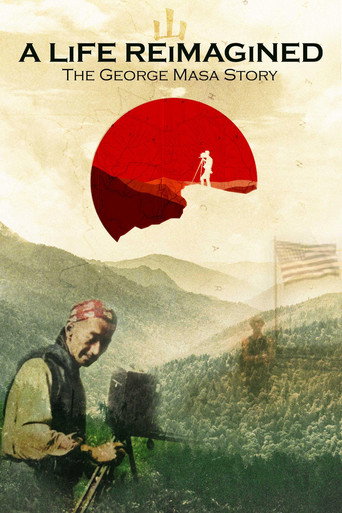
In 1915 a young, charismatic Japanese man with a mysterious past entered into the Appalachian culture of Asheville, North Carolina, is suspicioned a spy, targeted by the Klan, but perseveres with a passion for photography and the mountains he adopts, bringing to life Great Smoky Mountains National Park & the Appalachian Trail.

On the 5th of March 1985, a crowd gathered in a South Yorkshire pit village to watch a sight none of them had seen in a year. The villagers, many of them in tears, cheered and clapped as the men of Grimethorpe Colliery marched back to work accompanied by the village’s world-famous brass band. The miners and their families had endured months of hardship. It had all been for nothing. The miners had lost the strike called on March 6th 1984. They would lose a lot more in the years to come. But was it a good thing for the country that the miners lost their last battle?

This film documents the coal miners' strike against the Brookside Mine of the Eastover Mining Company in Harlan County, Kentucky in June, 1973. Eastover's refusal to sign a contract (when the miners joined with the United Mine Workers of America) led to the strike, which lasted more than a year and included violent battles between gun-toting company thugs/scabs and the picketing miners and their supportive women-folk. Director Barbara Kopple puts the strike into perspective by giving us some background on the historical plight of the miners and some history of the UMWA. Preserved by the Academy Film Archive in partnership with New York Women in Film & Television in 2004.

"Melting Lives - Victims of the New Weather" is a six-part documentary series in which the viewers meet people in the Arctic region who live close to and depend on nature for survival, and who struggle to maintain their way of life. Their tales are being heard and testimonies about how life is changing as the world gets ever warmer. The host, Samuel Idivuoma, is from northern Sweden. He visits Inuits on Greenland and in Alaska, aboriginal people in Canada and Nenets from the Siberian tundra in Russia
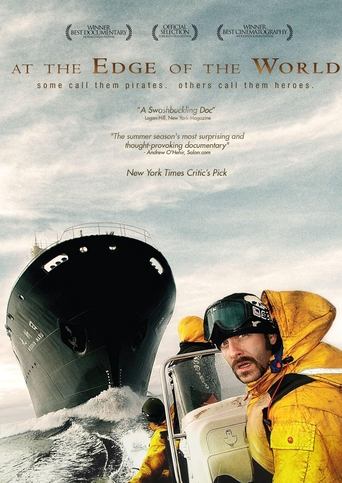
At the Edge of the World chronicles the controversial Sea Shepherd Antarctic Campaign against a Japanese whaling fleet. The international volunteer crew, under-trained and under-equipped, develop a combination of bizarre and brilliant tactics with which to stop the whalers. But first they must find the Japanese ships, a far more difficult challenge than ever imagined - long-time activist Paul Watson and first-time captain Alex Cornelissen employ an array of strategies in the hopes of finding an elusive adversary in the vast expanse of the Ross Sea. With one ship (the Farley Mowat) too slow to chase down the whaling fleet, with their second ship (the Robert Hunter) unsuited for Antarctic ice conditions and with no country supporting their efforts to enforce international law, the situation becomes increasingly desperate. Against all odds, however, a real-life pirate tale unfolds - a modern-day "David vs. Goliath" adventure.