

The Miracle of Saint Anthony
Documentary
Overview
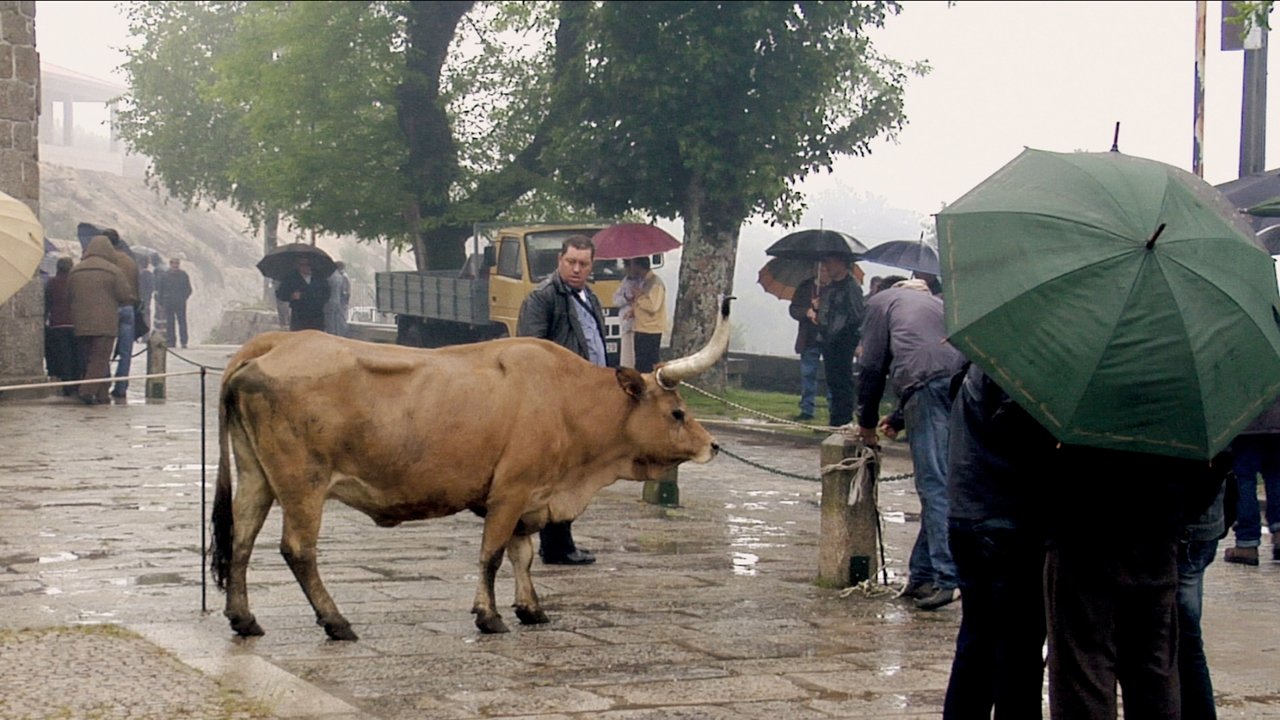
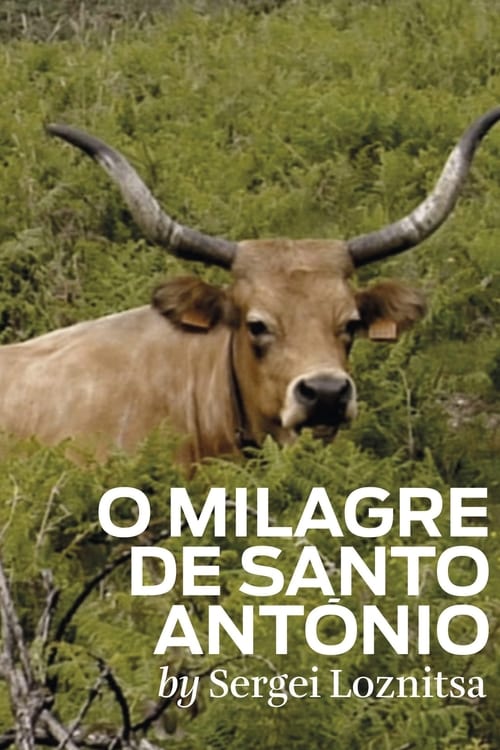
In the middle of June the village of Santo Antonio de Mixoes da Serra in the Valdreu region of Northern Portugal honours its Patron Saint with a very special festival. On this day the local farmers bring their animals to the church – cows, horses, dogs, cats, chickens, rabbits – to be blessed. This ancient tradition is passed from generation to generation, and today, just as hundreds of years ago, animals and people flock up the mountain roads to the church square to become a part of the religious festival. The film is about this miracle.


No cast information.
Similar Movies
The horses in Denys Colomb Daunant’s dream poem are the white beasts of the marshlands of the Camargue in South West France. Daunant was haunted by these creatures. His obsession was first visualized when he wrote the autobiographical script for Albert Lamorisse’s award-winning 1953 film White Mane. In this short the beauty of the horses is captured with a variety of film techniques and by Jacques Lasry’s beautiful electronic score.
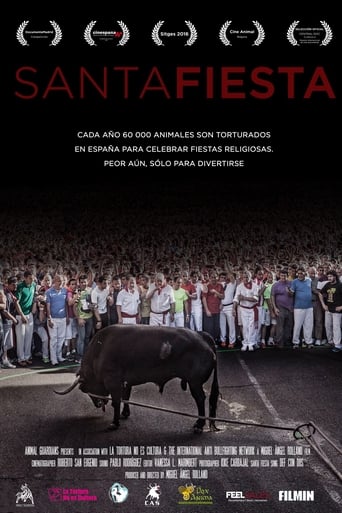
SINOPSIS / SYNOPSIS Every year in Spain, some 16,000 Fiestas are organized, during which animals are used. Honoring the Holy Virgin and the Patron Saints, and with the blessing of religious and political authorities, entire towns -including children- are involved in celebrations of unbelievable cruelty. 60,000 animals are hence abused each year during these “Fiestas of Blood”.
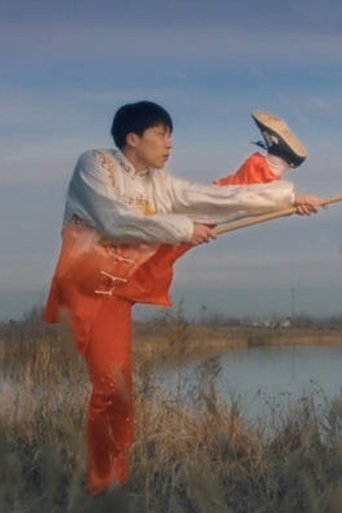
Young Masters is an original series commissioned by NOWNESS China focusing on traditional Chinese cultures, and how they continue to be defined by a new generation of the country's youth. Its first episode, Young Masters: Bajiquan, spotlights Wu Hao (吴昊), a young man in his twenties from Hebei province who is a stalwart practitioner of Bajiquan—a traditional Chinese fighting style known for its graceful stillness and sudden moments of targeted and ferocious violence. Director Haonan Shen traveled to the Mengcun Bajiquan International Training Center to profile Wu Hao whose paternal ancestor Wu Zhong (1712–1802) was the first recorded Bajiquan teacher. In this evocative portrait of a young man’s passion for sharing his family’s rich heritage, we get up close and personal with the violent elbow strikes, staff jabs, fierce rising and firm falling stances that characterize the martial art.

William Hart McNichols is a world renowned artist, heralded by Time magazine as "among the most famous creators of Christian iconic images in the world". As a young Catholic priest from 1983-1990 he was immersed in a life-altering journey working as a chaplain at St. Vincent's AIDS hospice in New York city. It was during this time that he became an early pioneer for LGBT rights within the Catholic church. "The Boy Who Found Gold" is a cinematic journey into the art and spirit of William Hart McNichols. The film follows his colorful life as he crosses paths with presidents, popes, martyrs, and parishioners, finding an insightful lesson with each encounter. McNichols' message as a priest, artist and man speaks to the most powerful element of the human spirit: Mercy.
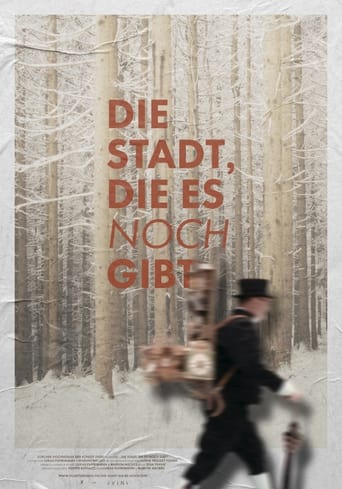
Nestled behind high mountains and dark forests lies Triberg, the birthplace of the cuckoo clock. For centuries, this cult item has been handcrafted right here, attracting tourists from all over the world. Ever since the boom of the 1980s has faded, the cuckoo clock has gradually lost its appeal and magic. And so has the place, which now resembles a ghost town. Its residents however still believe in their clock: Vendors, clockmakers and tourist guides alike fight to preserve their beloved heritage. Between abandoned restaurants and souvenir shops they hope for new tourists, while the clock continues ticking away.