

Overland Telegraph
Western
Overview
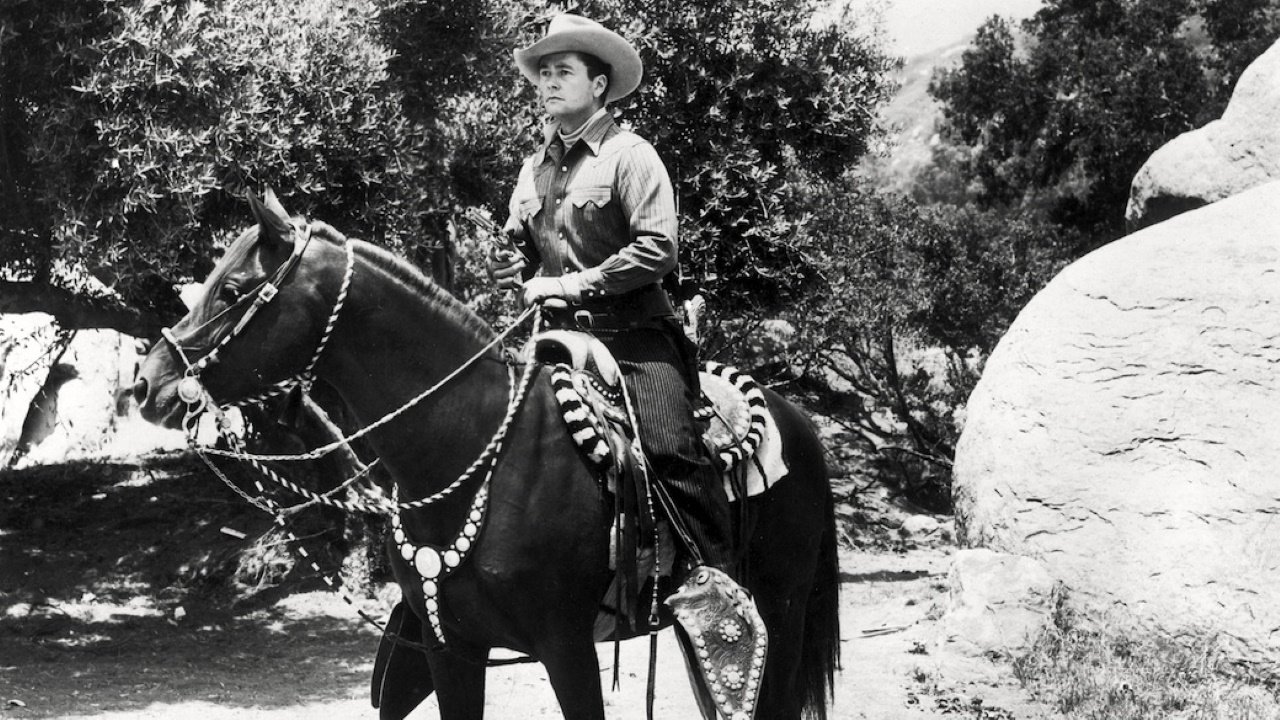
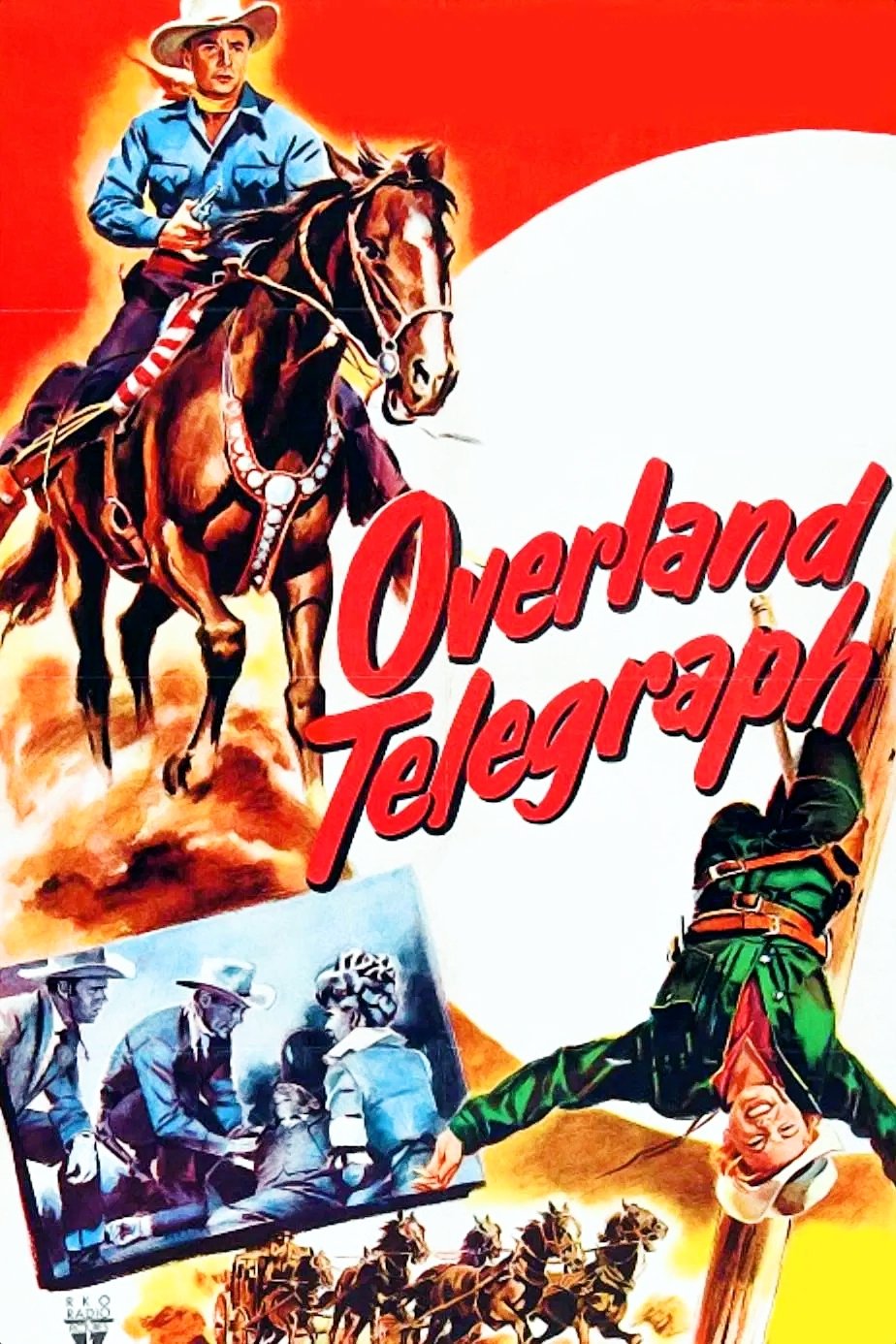
Not to be confused with the 1929 film The Overland Telegraph, this Western from director Lesley Selander stars Tim Holt as a cowboy appropriately named Tim Holt. In order to hinder the construction of a new telegraph line for his own financial gain, scheming shopkeeper Paul Manning (George Nader) enlists the assistance of a gang of outlaws led by Brad Roberts (Hugh Beaumont in one of his many pre-Leave it to Beaver roles). Unfortunately for the bad guys, Holt and his cohort Chito Rafferty (Richard Martin) sense that there's foul play afoot and embark on an investigation.


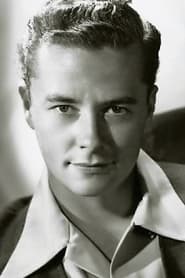
Tim Holt
Tim Holt
Tim Holt
Tim Holt
Tim Holt
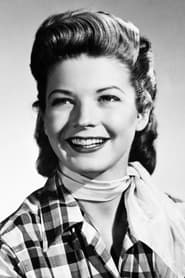
Gail Davis
Gail Davis
Terry Muldoon
Gail Davis
Terry Muldoon
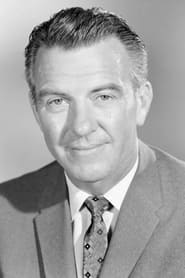
Hugh Beaumont
Hugh Beaumont
Brad Roberts
Hugh Beaumont
Brad Roberts

Mari Blanchard
Mari Blanchard
Stella
Mari Blanchard
Stella
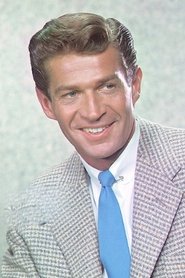
George Nader
George Nader
Paul Manning
George Nader
Paul Manning
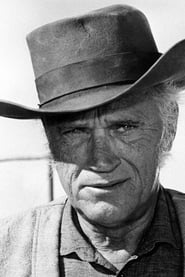
Robert J. Wilke
Robert J. Wilke
Bellew - Henchman (as Robert Wilke)
Robert J. Wilke
Bellew - Henchman (as Robert Wilke)
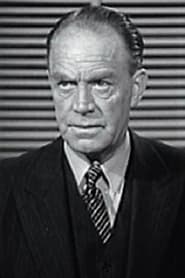
Cliff Clark
Cliff Clark
Terence Muldoon
Cliff Clark
Terence Muldoon
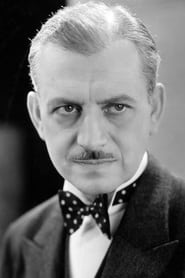
Russell Hicks
Russell Hicks
Col. Marvin
Russell Hicks
Col. Marvin
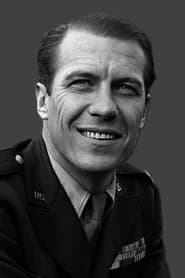
Robert Bray
Robert Bray
Steve - Henchman
Robert Bray
Steve - Henchman
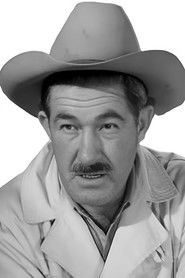
Fred Graham
Fred Graham
Joe - Henchman
Fred Graham
Joe - Henchman
Similar Movies
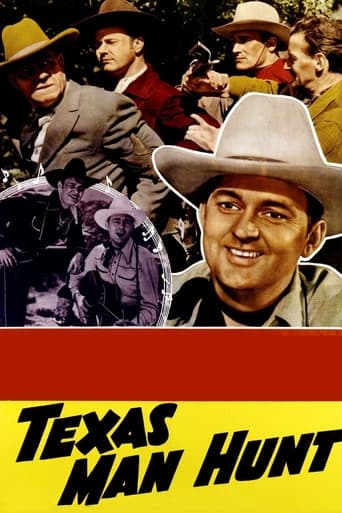
Eddie and his sidekicks have been called in to help get a new telegraph line through. Dawson and his men along with his stooge Judge are out to stop them. When Eddie and the boys catch three of Dawson's men destroying telegraph equipment, the Judge releases them and this leads to the showdown between the two sides.
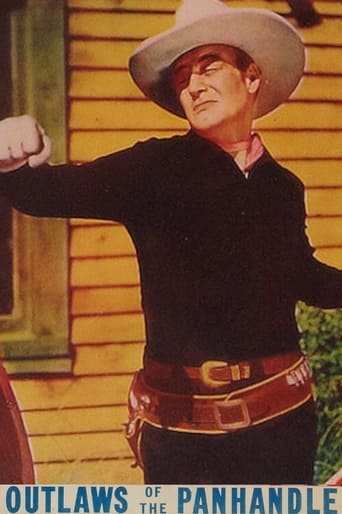
Outlaws of the Pandhandle was the last of Charles Starrett's "formula" westerns for Columbia: hereafter, Starrett would be seen only in the guise of frontier medico Steven Monroe or masked do-gooder The Durango Kid. For the moment, however, the star is cast as Jim Endicott, bound and determined to put an end to the underhanded activities of gin-mill operator Faro Jack Vaughn (Norman Willis). The villain's strategy is to get the local cowpunchers tanked up on rotgut that they'll prove to be easy pickings for a gang of rustlers-and will be unable to complete work on a railroad spur which will bypass the outlaws' hideaway.
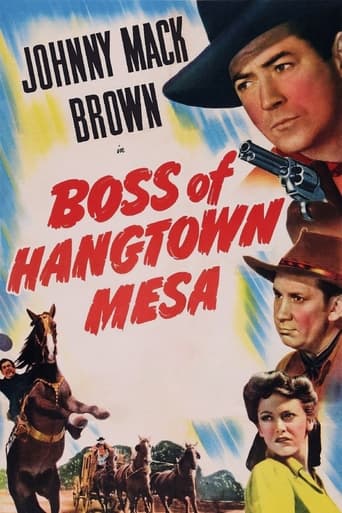
It is now an accepted fact that the best of Johnny Mack Brown's Universal westerns were directed by the talented Joseph H. Lewis. Boss of Hangtown Mesa may not be in the same league as the Brown-Lewis classic Arizona Cyclone, but it comes awfully close. This time around, hero Steve Collins (Brown) comes to the aid of Betty Wilkins (Helen Deverell), who has taken over the telegraph-line business established by her uncle John (Henry Hall). The latter was murdered by outlaws who don't cotton to having the territory linked up electronically with the rest of the world.
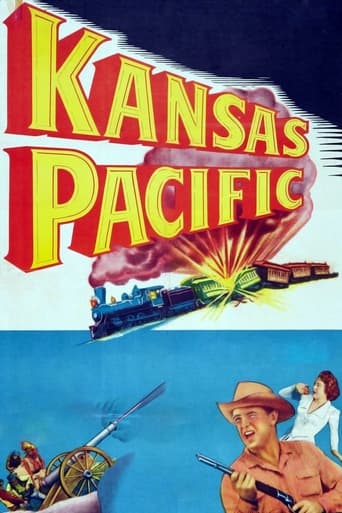
Just before the Civil War (but after the South has seceded), Southern saboteurs try to prevent railroad construction from crossing Kansas to the frontier; army captain Nelson is sent out to oppose them. As the tracks push westward, Nelson must contend with increasingly violent sabotage, while trying to romance the foreman's pretty daughter Barbara.
Billy Carson and Fuzzy Jones have just collected a reward and Fuzzy indulges in a dream of getting away from the hectic life he has been leading and wants to settle down. They arrive in Red Rock just as the newspaper is being sold at foreclosure and, despite the attempts by Lafe Barlow to intimidate him from bidding. Fuzzy finds himself the owner of a newspaper. Fuzzy meets Edith Martin, daughter of the former owner, and unthinkingly commits himself to carrying on her father's policy of bringing a telegraph line to Red Rock. For reason of his own, Barlow is against this and has his henchmen wage a campaign of terror against the ranchers and citizens. Before long, Billy who had been lazily indifferent to everything connected to Fuzzy and his newspaper, decides to take a hand on the side of the good guys.
To increase profits for his shipping company, Lynch has goaded the Indians to attack both the telegraph line and the new railroad. When Lynch sells rifles to the Indians, Rod Farrell captures Lynch and his gang. But Lynch's Indian friends free him and this time Farrell finds himself the prisoner.