

The Strength and Agility of Insects
Documentary
Overview
A short, early documentary work showing insects exhibiting extreme strength and agility.





No cast information.
Similar Movies
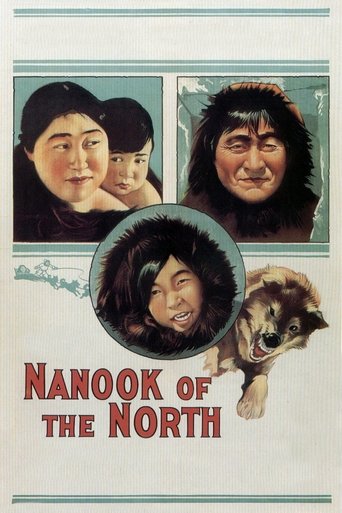
This pioneering documentary film depicts the lives of the indigenous Inuit people of Canada's northern Quebec region. Although the production contains some fictional elements, it vividly shows how its resourceful subjects survive in such a harsh climate, revealing how they construct their igloo homes and find food by hunting and fishing. The film also captures the beautiful, if unforgiving, frozen landscape of the Great White North, far removed from conventional civilization.

A day in the city of Berlin, which experienced an industrial boom in the 1920s, and still provides an insight into the living and working conditions at that time. Germany had just recovered a little from the worst consequences of the First World War, the great economic crisis was still a few years away and Hitler was not yet an issue at the time.

Documentary by Portuguese Silvino Santos, about the Amazon, its flora, fauna, its inhabitants and among other wonderful images from the beginning of the 20th century with alternating close-up shots of caimans, jaguars and tropical flora with footage of Indigenous rituals--including some of the earliest known moving images of the Indigenous Witoto people--and longer sequences showcasing the region’s extractive industries: rubber, the Brazil nut, timber, fishing, even the egret feathers that were a staple of women’s fashion at the time.
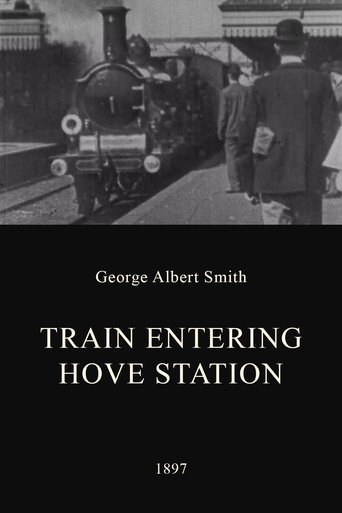
Most movie fans know that the first filmmakers liked to shoot trains entering stations. This example by Sussex film pioneer George Albert Smith illustrates why. The train's rush towards the audience brings movement and visual drama. The flurry of human activity offers plenty for the audience to engage with - who are these people and where are they going? And the time pressure exerted by the fact that the train must soon depart adds narrative tension - will everyone get on and off in time?