

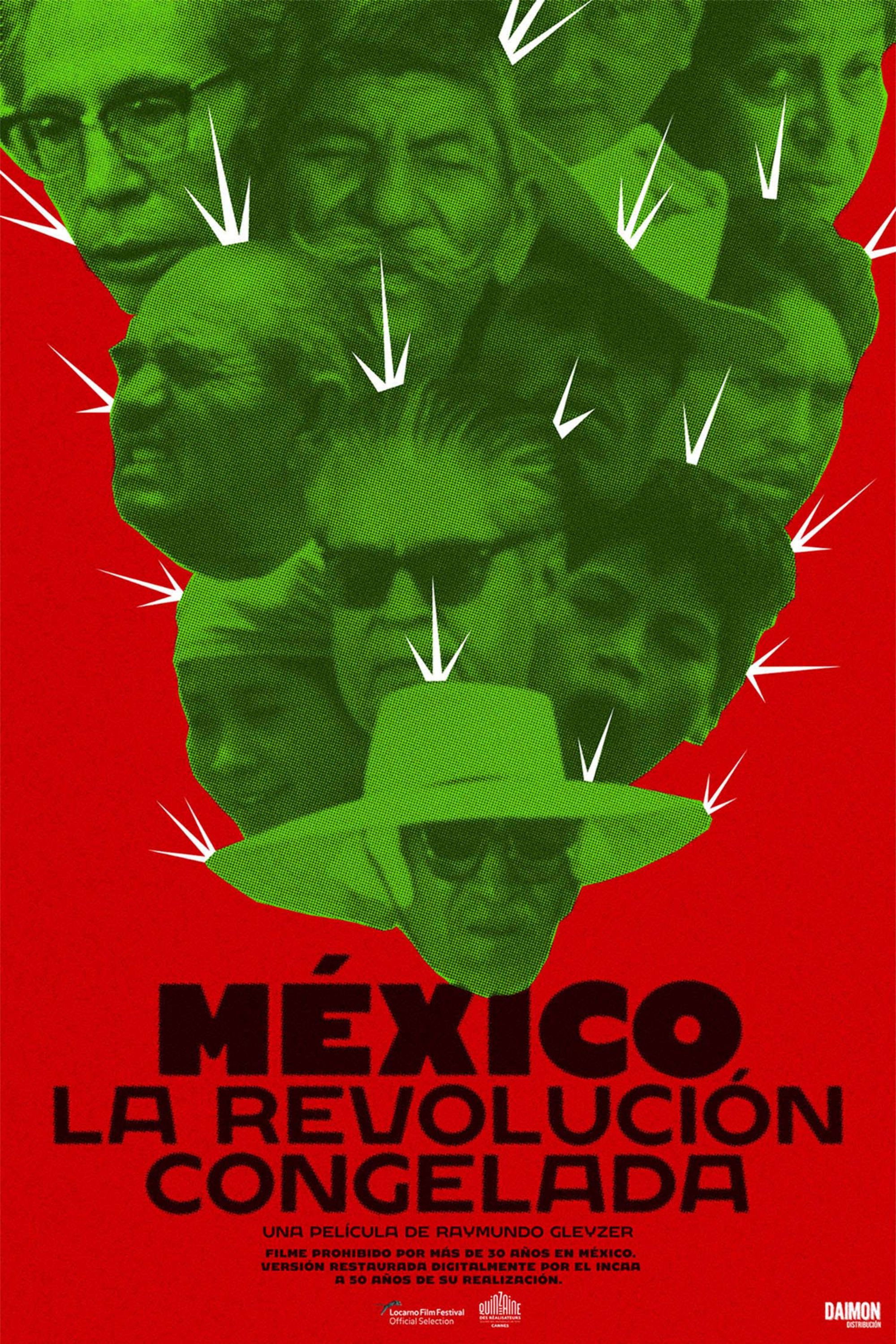
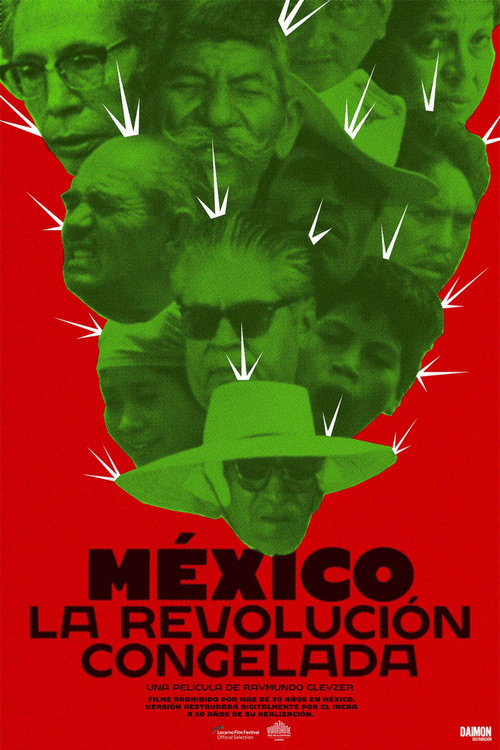
Mexico: The Frozen Revolution
Documentary
Overview
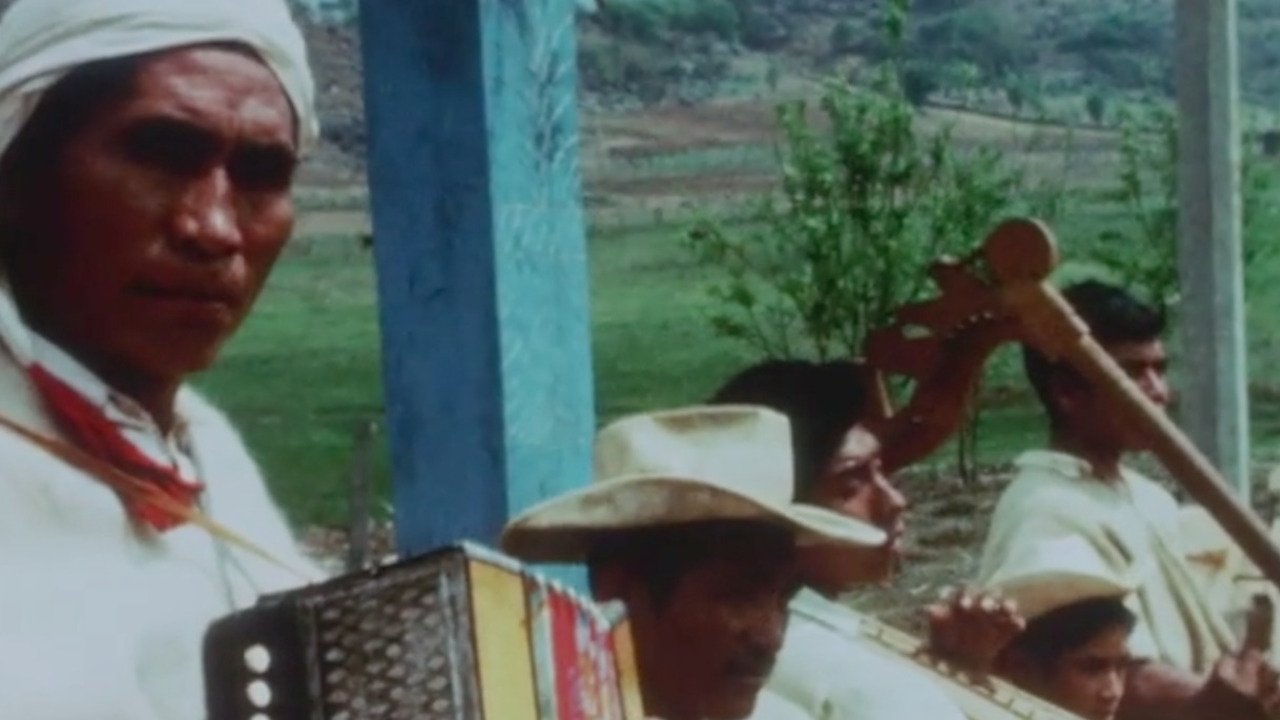
A thorough analysis of the socio-politics of Mexico, within the historical context of the Mexican Revolution reality. Includes footage from the 1910s, interviews with farmers, politicians, intellectuals, middle class, union, etc, as well as scenes from the life of an Indian family in Chiapas, their religious rituals, their crops, trials and bilingual schools. The film ends with the slaughter in the Plaza de Tlatelolco in 1968, during the infamous Olympics.


No cast information.
Similar Movies
The Colegio de Arquitectos de Catalunya commissioned Pere Portabella to make this film for the Joan Miró retrospective exhibit in 1969. There were heated discussions on whether it would be prudent to screen the film during the exhibit. Portabella took the following stance: "either both films are screened or they don't screen any" and, finally, both Miro l'Altre and Aidez l'Espagne were shown. The film was made by combining newsreels and film material from the Spanish Civil War with prints by Miró from the series "Barcelona" (1939-1944). The film ends with the painter's "pochoir" known as Aidez l'Espagne.

Born June 8, 1964, Frank Matter films four "twins", born the same day as him, but in other latitudes. Interweaving their life stories with rich archival material, the filmmaker links these Parallel Lives with elements from his own biography, to compose a fascinating fresco where intimate trajectories are part of the advent of the global village.
Stolen Kosovo is a Czech language documentary by director Václav Dvořák (b. 1948), about the Serbian–Albanian conflict in Kosovo. The documentary describes the situation, first in a short overview of the history of the area, followed by the 1990s conflicts and bombing of Serbia by NATO forces in 1999 and ending with the situation after the Kosovo War. The documentary focuses on the 1990s in the time of Slobodan Milošević's rule as well as on numerous interviews of Serbian civilians and, less, of Albanian insurgents against the Milošević regime.
History is Marching is a feature length documentary analysing the rise in tensions between major powers across the globe over the course of 2018. The film follows western history from 1945 to the present day, before looking at how capitalist society is today breaking down into the largest crisis in its history. Socialism or extinction?

For almost a decade, Mohammed bin Salman, known as MBS, the crown prince and de facto leader of Saudi Arabia, has been shaking up all the pillars of this extraordinary kingdom. The cradle of Islam and the world's leading exporter of crude oil, this Gulf giant has embarked on an unprecedented transformation to meet the existential challenge of the post-oil era. Dreaming of becoming the leader of a stable and prosperous Arab world, MBS is undertaking to transform the austere and rigorous Saudi Arabia into a futuristic utopia. But the rise of tourism, entertainment and the excesses of construction sites are still struggling to make us forget authoritarianism and the repression of opponents. As for the silencing of the religious police, it has not put an end to the oppression of women.
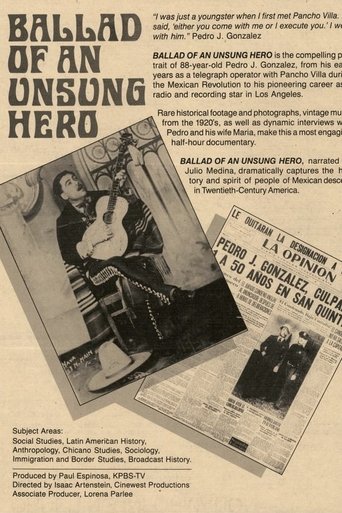
Using rare historical footage, vintage musical recordings, and interviews with 88-year-old Pedro J. Gonzalez and his wife, this film chronicles Gonzalez’s long and colorful life, from his early days with Pancho Villa during the Mexican Revolution, to his career as a popular radio personality in Los Angeles in the 1930s, to the controversial court case that sent him to San Prison, a victim of the repressive forces operating against the Chicano/Mexicano community during that period.
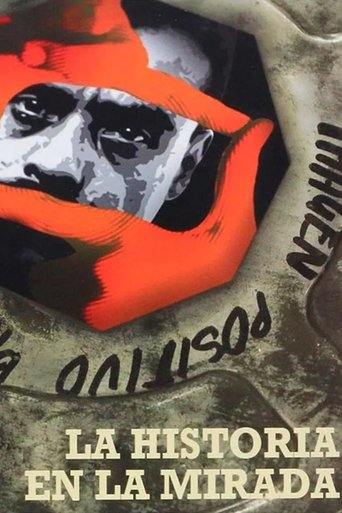
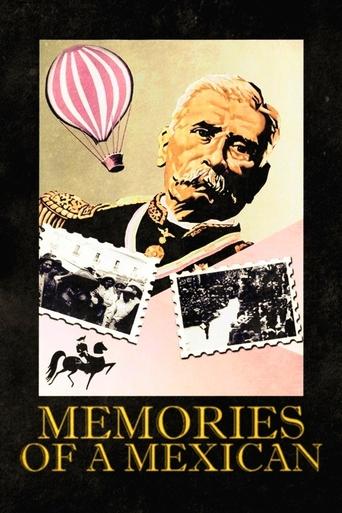
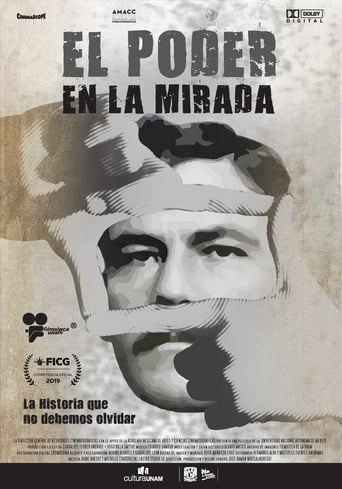
The film portraits the stage previous to the outbreak of the Mexican Revolution, from the end of Porfirio Díaz´ government, the social volatility, the ephemeral government of Madero and the presence of the working class in the figures of Villa and Zapata, until the signing if the Constitution of 1917. All of this through moving images, filmed during those events mainly by the Alva brothers, filmmakers of that time. Those images let us perceive the contradictory and shuddered glance of the people of that period.