

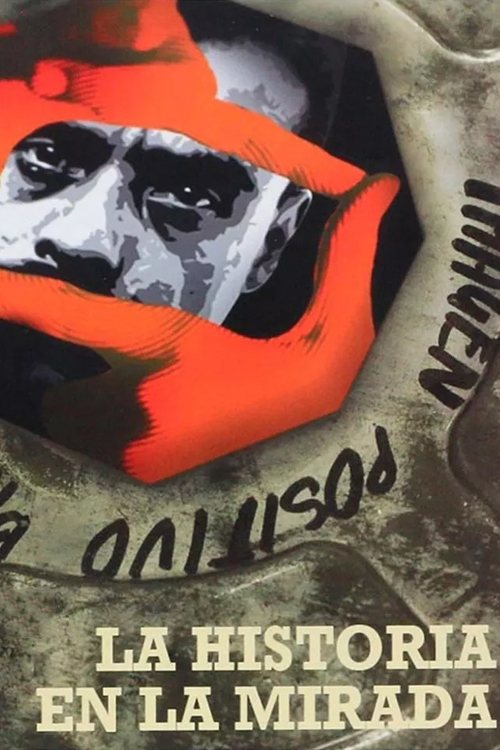
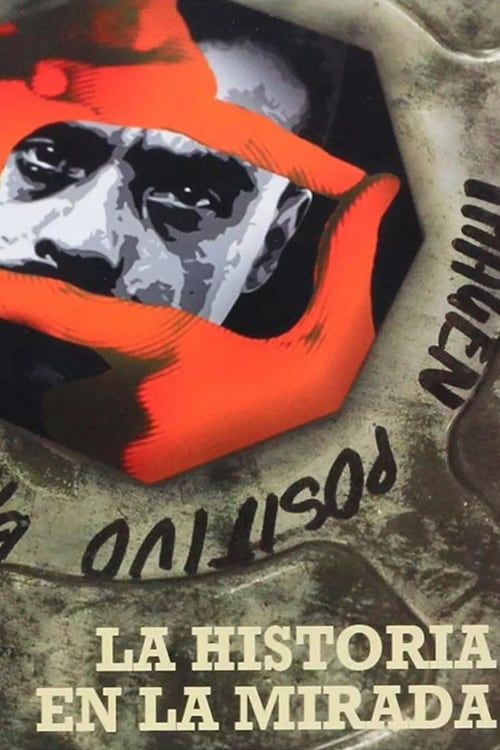
The History in the Gaze
History · Documentary
Overview
The film portraits the stage previous to the outbreak of the Mexican Revolution, from the end of Porfirio Díaz´ government, the social volatility, the ephemeral government of Madero and the presence of the working class in the figures of Villa and Zapata, until the signing if the Constitution of 1917. All of this through moving images, filmed during those events mainly by the Alva brothers, filmmakers of that time. Those images let us perceive the contradictory and shuddered glance of the people of that period.



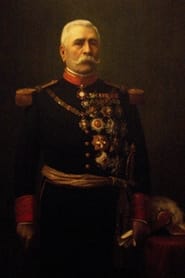
Porfirio Díaz
Porfirio Díaz
Self (archive footage)
Porfirio Díaz
Self (archive footage)
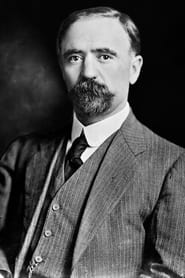
Francisco I. Madero
Francisco I. Madero
Self (archive footage)
Francisco I. Madero
Self (archive footage)
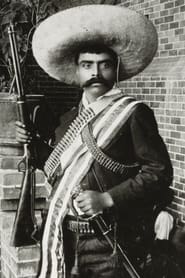
Emiliano Zapata
Emiliano Zapata
Self (archive footage)
Emiliano Zapata
Self (archive footage)
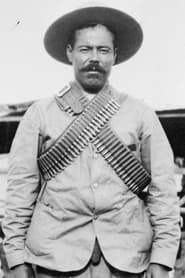
Pancho Villa
Pancho Villa
Self (archive footage)
Pancho Villa
Self (archive footage)
Similar Movies
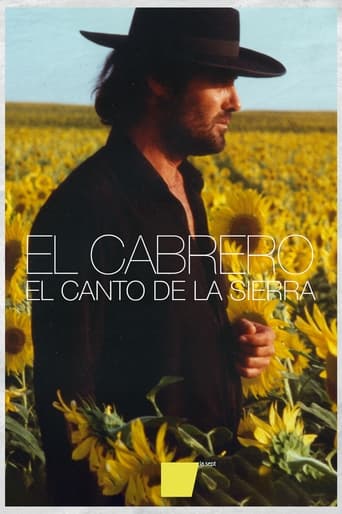
Documentary portrait of José Domínguez Muñoz, better known as "El Cabrero" (French for "the goatherd"), Spanish libertarian flamenco singer born in Aznalcóllar, province of Seville, in 1944 and filmed over two weeks in 1988 in Seville, Aznalcóllar, La Carbonería de Sevilla and Marinaleda, and in concert at a recital in Bayonne. Politically committed, El Cabrero defines himself as a libertarian. Since the 1970s, he has been close to the anarchist movement. For many years, he was a member of the anarcho-syndicalist Confédération Nationale du Travail.
The history of Bruguera, the most important comic publisher in Spain between the 1940s and the 1980s. How the characters created by great writers and pencilers became Spanish archetypes and how their strips persist nowadays as a portrait of Spain and its people. The daily life of the creators and the founding family, the Brugueras. The world in which hundreds of vivid colorful paper beings lived and still live, in the memory of millions, in the smile of everyone.

This documentary offers a behind-the-scenes look at Björk and her touring entourage for the 2001 Vespertine tour. It includes interviews with harpist Zeena Parkins, the Inuit choir from Greenland, electronic duo Matmos, and an ongoing conversation with Björk herself about her recordings and her tours. The documentary is interspersed with live footage of songs from the tour shot by Ragnheidur Gestsdóttir, which themselves correspond to the performances chosen for the Vespertine Live album.
How are the sex scenes filmed? What tricks are used to fake the desire? How do the interpreters prepare and feel? Spanish actors and directors talk about the most intimate side of acting, about the tricks and work methods when narrating exposed sex. In Spain the general rule is that there are no rules. Each film, each interpreter, faces it in very different ways.
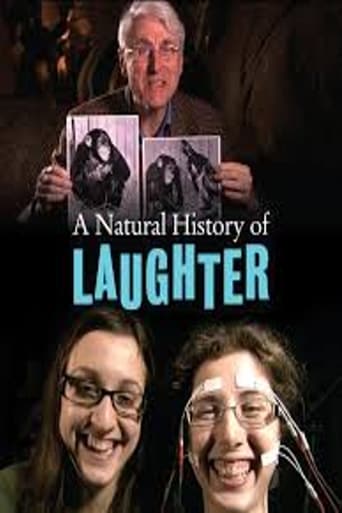
For how long have we been laughing? Are human beings the only ones to laugh? In the past, scientists tended to neglect such questions of laughter, leaving them to the philosophers. Jacques Mitsch's A NATURAL HISTORY OF LAUGHTER explores recent scientific attempts to explicate this most elusive of human faculties, undertaken by scientists who see it as a means of approaching some of the larger mysteries of neurology and human behavior.