

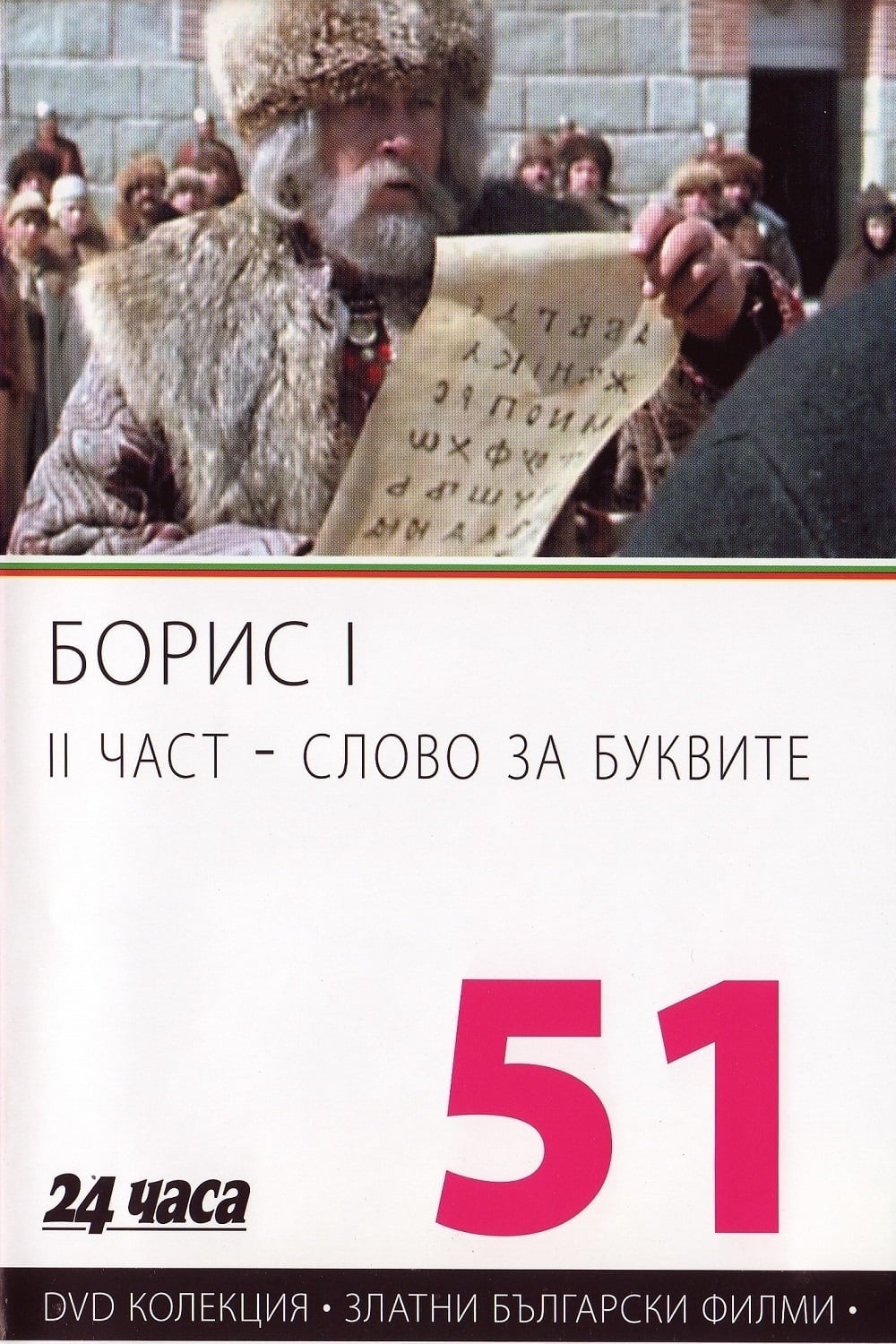
Boris I - Part 2 - Word For Letters
Drama · History
Overview
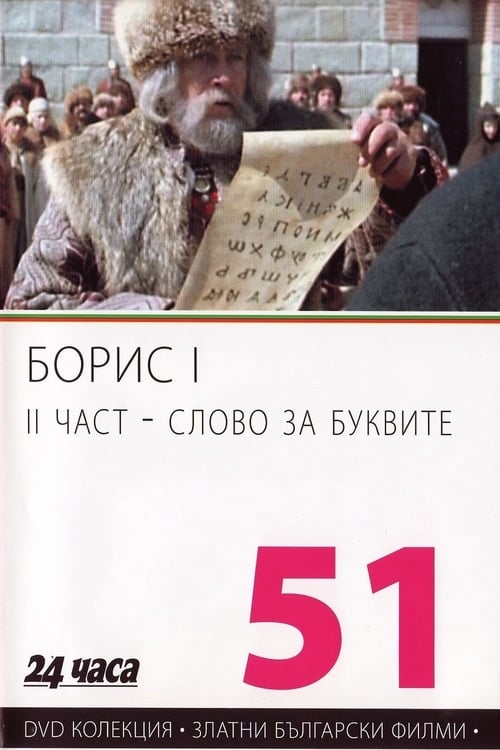
Knyaz Boris I reached the most important spiritual insight - the country needed a single language and script. It accepts students of Cyril and Methodius, creating Ohrid and Preslav Literary School. What other nations took centuries, for bulgarians takes place only about 20 years after their baptizing - introduced a Slavonic Alphabet.
Top Cast
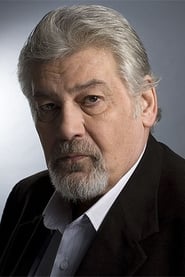
Stefan Danailov
Boris I
Boris Lukanov
Kavhan Eth
Aneta Petrovska
Evpraksiya
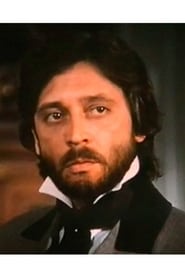
Antony Genov
Vladimir-Rasate
Ventzislav Kisyov
Doks
Kosta Tsonev
Kliment Ohridski
Plamen Donchev
Naum
Ivan Ivanov
Simeon
Yanina Kasheva
Kosara
Irinei Konstantinov
Gavril, sin na Boris
Kiril Variyski
Kurt
Sonya Djulgerova
Sobeslava, zhena na Doks


Stefan Danailov
Stefan Danailov
Boris I
Stefan Danailov
Boris I
Boris Lukanov
Boris Lukanov
Kavhan Eth
Boris Lukanov
Kavhan Eth
Aneta Petrovska
Aneta Petrovska
Evpraksiya
Aneta Petrovska
Evpraksiya
Antony Genov
Antony Genov
Vladimir-Rasate
Antony Genov
Vladimir-Rasate
Ventzislav Kisyov
Ventzislav Kisyov
Doks
Ventzislav Kisyov
Doks
Kosta Tsonev
Kosta Tsonev
Kliment Ohridski
Kosta Tsonev
Kliment Ohridski
Plamen Donchev
Plamen Donchev
Naum
Plamen Donchev
Naum
Ivan Ivanov
Ivan Ivanov
Simeon
Ivan Ivanov
Simeon
Yanina Kasheva
Yanina Kasheva
Kosara
Yanina Kasheva
Kosara
Irinei Konstantinov
Irinei Konstantinov
Gavril, sin na Boris
Irinei Konstantinov
Gavril, sin na Boris
Similar Movies
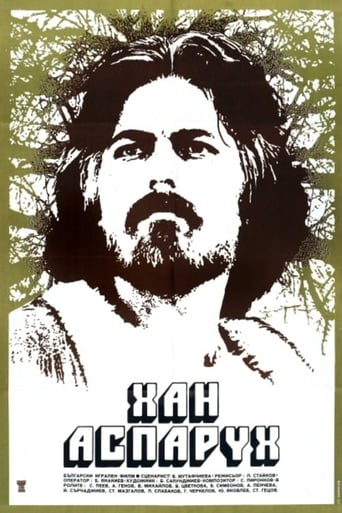
This is an epic screen presentation showing the creation, the consolidation and the power of First Bulgarian Kingdom and the first Bulgarian ruler Khan Asparuh. The second part of the great historical epic - "The Migration" - tells about the long journey to the land of the Bulgarians of today's Bulgaria. Here the young Khan Asparukh laid the foundations of the new state. The authors adhere to the established historical versions for this event. The film builds on the impressive mass scenes and the convincing served psychological characteristics of the main characters. The image of Asparoukh is a natural center of the story, in which many minor persons recreate the environment of the Khan. Romantic exalted, Asparukh is shown as capable leader of the people, consistently implement his own ideas.
This is an epic screen presentation showing the creation, the consolidation and the power of First Bulgarian Kingdom and the first Bulgarian ruler Khan Asparuh. This is the first part of the film trilogy about the events before the creation of the Bulgarian state in the middle of the VII century. Volga Bulgaria is straining under the attacks of the Khazars. Following the testament of his father, the sons of Khan Kubrat looking for a new home for their tribes. The youngest of them - Asparukh, wander 20 years in search of "land forever" for his people and reaches the mouth of the Danube. The film is narrated by captured Byzantine chronicler Belisarius, which should Asparukh in his journeys. Byzantine witnessed the heroic efforts of the Bulgarians to win the land south of the Danube and to create their new country.
The last part of the epic "Khan Asparukh" - "Land Forever" is an impressive finish to scale narrative, created for the nationwide celebration of 13 century anniversary of the Bulgarian state. The authors collected in final chord all storylines, culminating in the political strengthening of the young Bulgarian state. In the center of the film epic again is the image of Khan Asparukh - a lofty romantic hero who embodies the virtues and energy of his people.
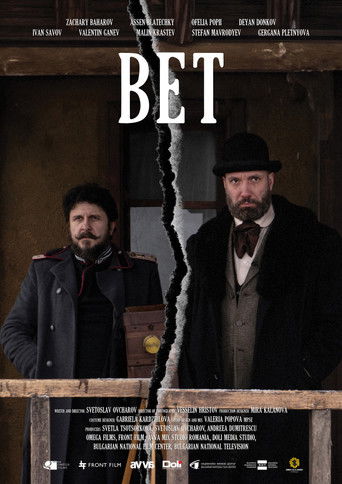
Before the Liberation, during the years of the exiled Bulgarian revolutionaries in Romania, the Major and the Prime Minister once shared the same ideals, the same home, and even the same woman. Today, the Major orchestrates a conspiracy to overthrow the government led by his former friend, the Prime Minister. The head of state must be assassinated, and the Prince – dethroned. The woman is part of the plot, but she will try to prevent the fratricide.
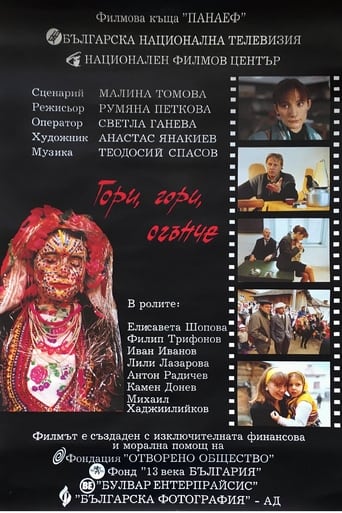
A new teacher - Marina - arrives in a small Pomak village in the late 1960s. She is a woman trying to live and think independently. Marina finds herself in a world unknown to her, at once pure and immaculate, but with the signs of the deformation of natural life that is typical of the whole country. After meeting the Doctor, Bai Mnogoznai, Mariana, the mayor, the internationalist Yosko, she discovers that each resists authority in their own way. And when the government starts changing the non-Bulgarian names of the Pomak villagers, the heroine realizes she is in a prison - with high mountains, forests, rivers - a prison of tragic beauty.
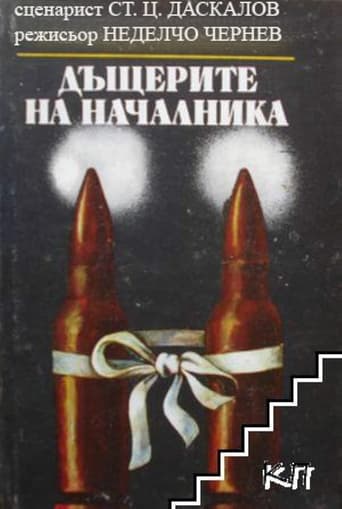
In September 1923, during the so-called 'anti-fascist' uprising, police chief's daughter Kita falls for a student with communist beliefs. Although loyal to the monarch, her father's paternal instinct force him to compromise but his retaliation against the rebels takes a devastating turn.