

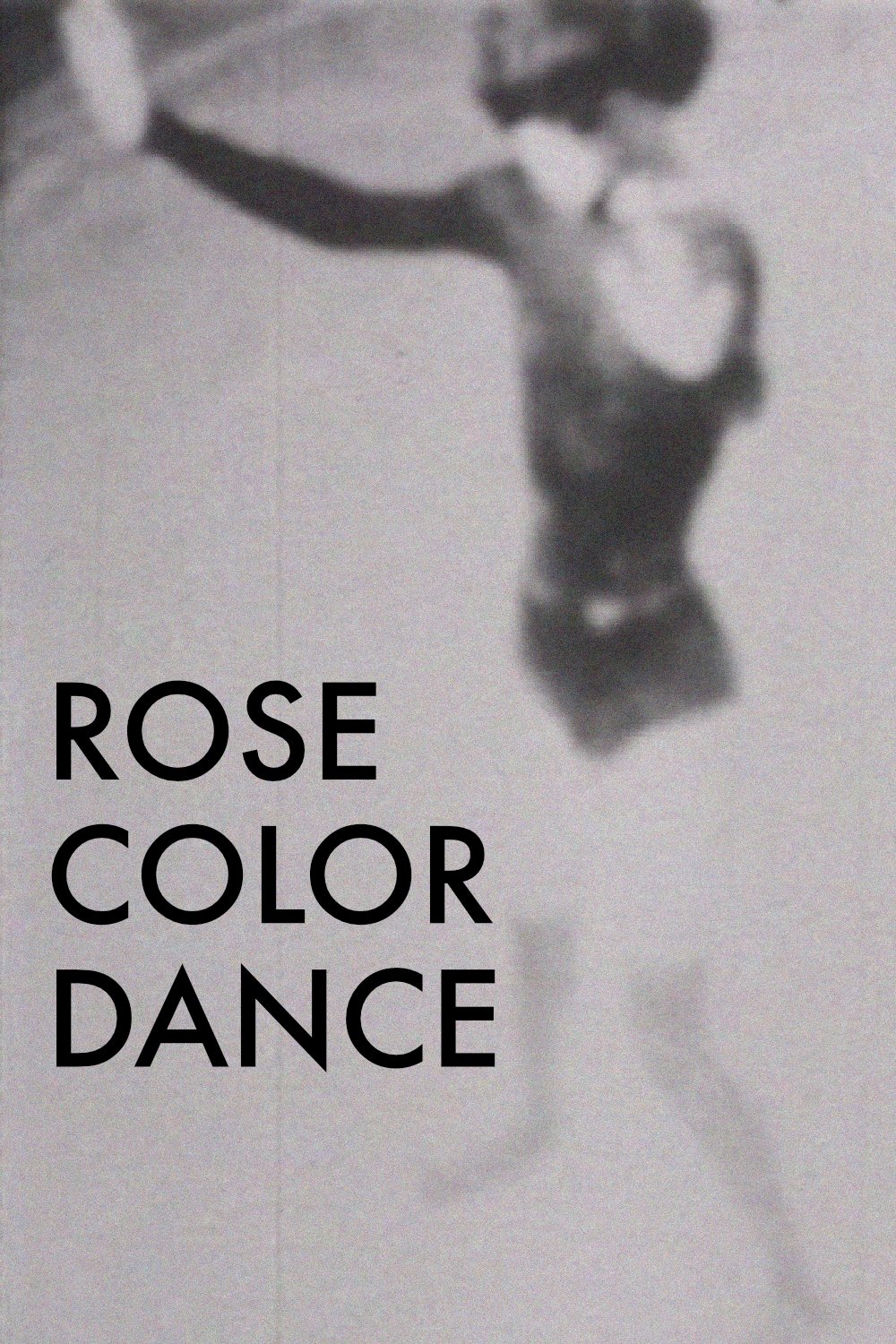
Rose Color Dance
Documentary
Overview
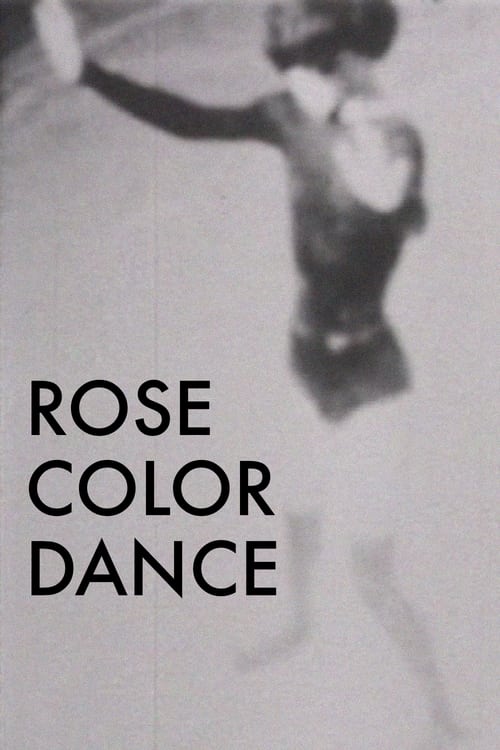
A document of Tatsumi Hijikata's Butoh dance with Kazuo Ohno as the guest dancer shot in Hijikata's early period when he was emerging as the originator of Butoh. All of the male dancers are dressed up with evening suits and move gracefully, yet an intruder breaks up the whole scene abruptly. The film is worth seeing, even if just to see a memorable gay duet of Hijikata and Ohno. Overexposed, washed out images are sandwiched among normal ones.
Top Cast



Tatsumi Hijikata
Tatsumi Hijikata
Tatsumi Hijikata
Kazuo Ohno
Kazuo Ohno
Kazuo Ohno
Similar Movies
Award Winning Documentary on the Life of Artist Robert Shields. “Robert Shields: My Life as a Robot” is a documentary that will make you believe that your actions can have an inspirational effect on so many lives - and you may not even be aware of it. An icon of the 70’s, Robert began his career doing his robot in front of the Hollywood Wax Museum and a few short years later had his own top rated Prime Time CBS Variety show with his beautiful wife Lorene called: “The Shields & Yarnell Show”. And along the way, unbeknownst to him, he created ripples that define an art form to this day. This film may not save the environment, it won’t take on a corrupt corporation nor will it make you write your congress person. What it will do is make you laugh, bring you wonder and joy and introduce you to a man who makes you believe that anything is possible… including (and don’t try this at home!) Street Skiing in downtown San Francisco!
The lives of Jaipong dancers who persistently uphold tradition amidst economic pressures and changing times. Through their moving bodies and distinctive voices in traditional performing arts, these women dance not only for the stage but also to survive. Their voices, whether vocal expressions, soft utterances, or sinden singing, serve as the living spirit and "voice" that sustain and preserve their cultural heritage. An intimate portrait of resilience, steadfastness, and the voice in traditional arts that is gradually being marginalized.
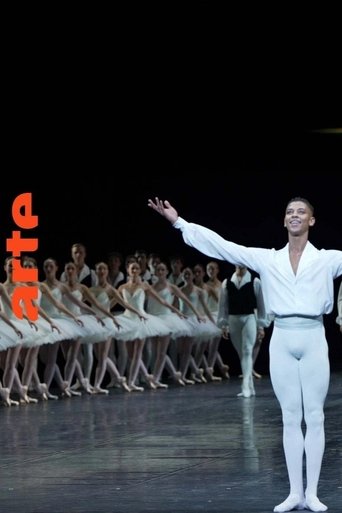
At age 20, Guillaume Diop risked his career to sign a manifesto against racism at the Paris Opera. But just three years later, he was named a Danseur Étoile — a star dancer — in the Paris Opera Ballet, one of the world’s most prestigious companies. As the first Black Danseur Étoile, Guillaume is thrust into becoming a role model and a national symbol for diversity. But, as YOUNG, BLACK AND GIFTED shows us, in intimate conversations with family and friends, he sometimes questions whether he is ready for this responsibility.
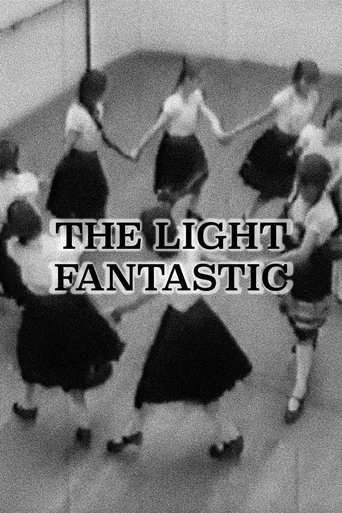
While most of Ken Russell's documentaries for the BBC's Monitor arts strand focused on a single creative figure, he would also occasionally make more wide-ranging surveys of the state of a particular art. The Light Fantastic (BBC, tx. 18/12/1960) was written and presented by Ron Hitchins, a Cockney barrow boy who has long been interested in a great many dance forms, and who has recently taken up Spanish dancing. Hitchins participates in some of the dance sequences, but his main contribution is an enthusiastic commentary that helps personalise what could have been simply a disparate collection of dance footage. He's not shy about expressing likes and dislikes, being none too keen on ballroom dancing (too choreographed), rock'n'roll (too monotonous) and Morris dancing (just doesn't like it), though anything genuinely spontaneous gets a thumbs up, even if it's a room full of people dressed in black swaying to the sound of a gong.
Marta Cardoso, a young dancer from northern Portugal, moves through Lisbon with restless energy, between precarious routines, affections, and a daily life in constant imbalance. Dance becomes her refuge and her cry: a space where the body finds freedom and instinct, and where gesture replaces words. When dancing, she feels close to her inner animal.
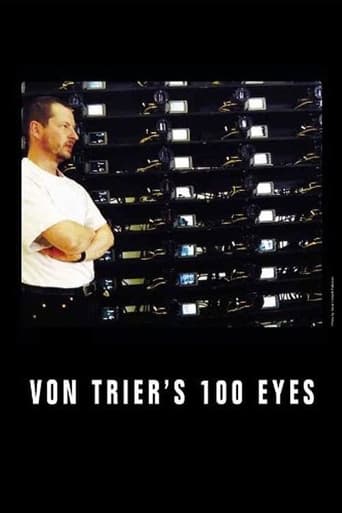
Although at first sight this might look like a simple ‘making of DANCER IN THE DARK’, the later developments in the film reveal the whole drama of Lars von Trier’s inner life during the shooting process. All his doubts and insecurities in collaborating with the crew and actors - especially actresses - are exposed. The biggest drama started when Björk walked off the set. Nobody knew whether she would be back or not. Admitting that he feels threatened by women, who can ‘make him feel embarrassed’, the director gives this documentary the nature of a personal diary. When he discusses the importance, purpose and beauty of the use of a hundred cameras in a certain sequence or the meaning of the Dogma 95 rules, the audience is witnessing the process of the artist’s search. Is the pain that the director went through during the shooting really visible in the final result, as Lars von Trier claims in this film? (from: http://www.idfa.nl/)