

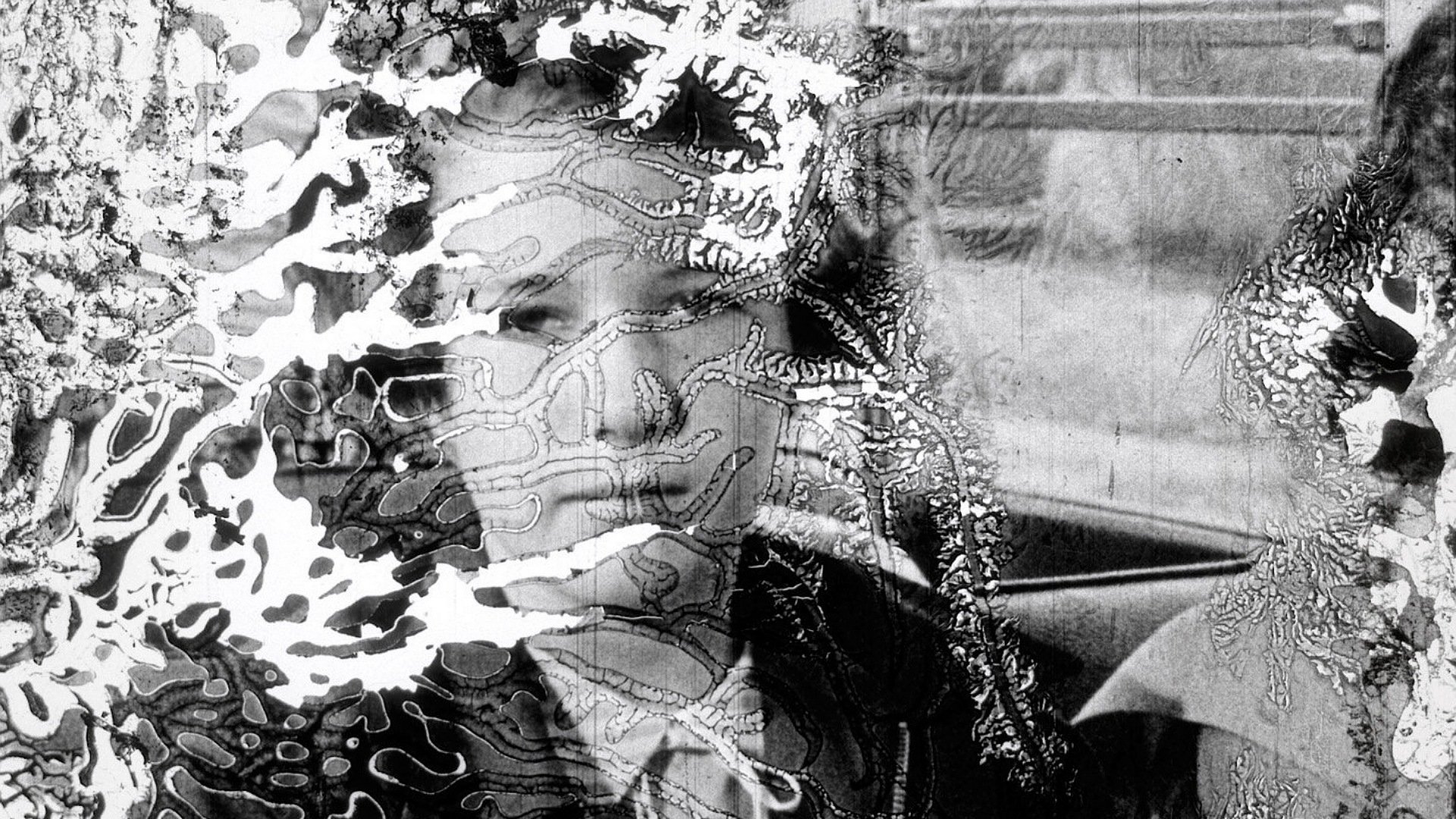
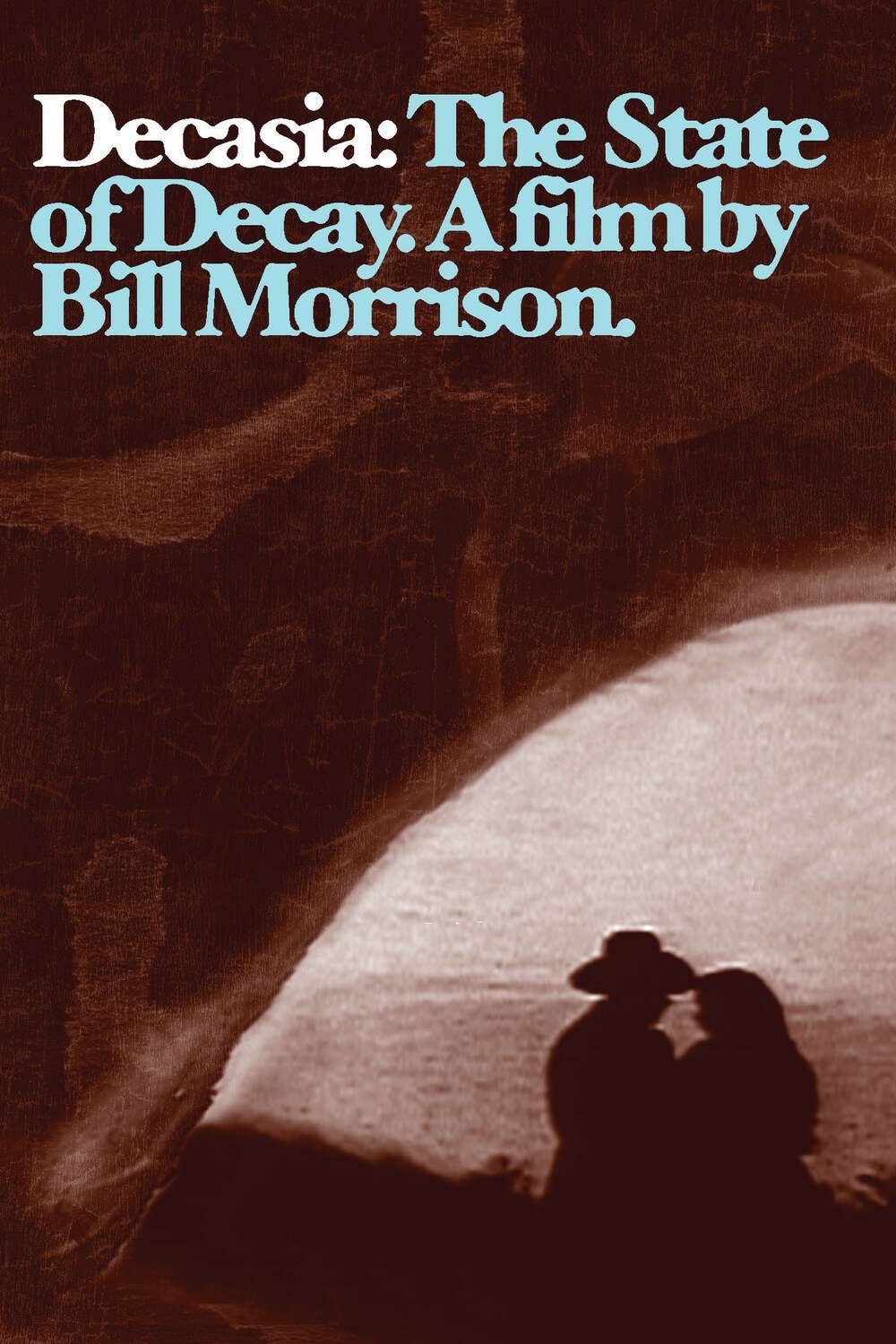
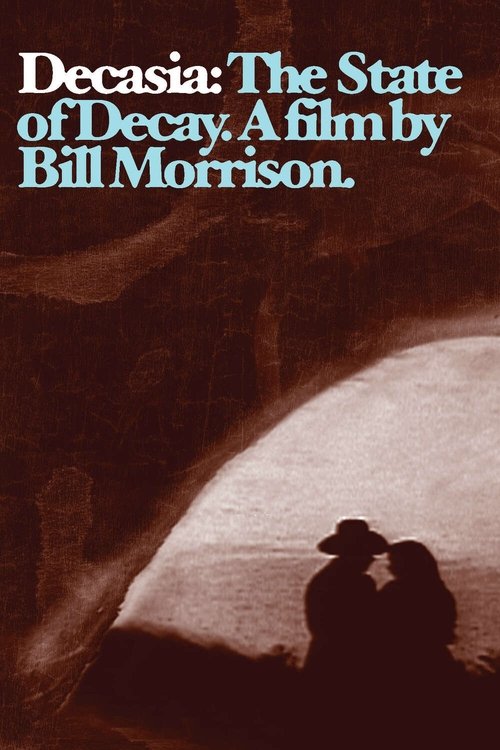
Decasia: The State of Decay
Documentary
Overview
A meditation on the human quest to transcend physicality, constructed from decaying archival footage and set to an original symphonic score.
Top Cast

Tsuru Aoki
Self - Geisha (archive footage)
Julia Calhoun
Self - Old Angry Woman (archive footage)
William S. Hart
Self - Cowboy (archive footage)
Eddie Lyons
Self - Laughing Clerk (archive footage)
Margaret Cullington
Self - Maggie Jiggs (archive footage)

Marc McDermott
Self - Judge (archive footage)

Mary Pickford
Self (archive footage)

Pearl White
Self - Laughing Woman (archive footage)

Tsuru Aoki
Tsuru Aoki
Self - Geisha (archive footage)
Tsuru Aoki
Self - Geisha (archive footage)
Julia Calhoun
Julia Calhoun
Self - Old Angry Woman (archive footage)
Julia Calhoun
Self - Old Angry Woman (archive footage)
William S. Hart
William S. Hart
Self - Cowboy (archive footage)
William S. Hart
Self - Cowboy (archive footage)
Eddie Lyons
Eddie Lyons
Self - Laughing Clerk (archive footage)
Eddie Lyons
Self - Laughing Clerk (archive footage)
Margaret Cullington
Margaret Cullington
Self - Maggie Jiggs (archive footage)
Margaret Cullington
Self - Maggie Jiggs (archive footage)
Marc McDermott
Marc McDermott
Self - Judge (archive footage)
Marc McDermott
Self - Judge (archive footage)
Mary Pickford
Mary Pickford
Self (archive footage)
Mary Pickford
Self (archive footage)
Pearl White
Pearl White
Self - Laughing Woman (archive footage)
Pearl White
Self - Laughing Woman (archive footage)
Similar Movies
Study of the relationship between observer and landscape in the contemplative experience. The view building the landscape from the necessary distance. The delimitation of its borders against the total continuum of nature. The observer immersed in the path of his gaze across the landscape. Resting the gaze in the details that make the globallity. The view selecting the space included as a landscape.
The architectural plans for Berlin from 1938 are used as an example to illustrate the fascist claim to power and its aesthetic effect. The basis for this was the "General Building Inspection" under the direction of Albert Speer, whose enormous projects are illustrated by planning models and archive photographs.
The project studies the relationship between observer and landscape in the contemplative experience. A sensory approach to landscape from introspective perception. We start with the external factors of space and time in the environment to go deeper in the temporal and spatial consciousness experiences.
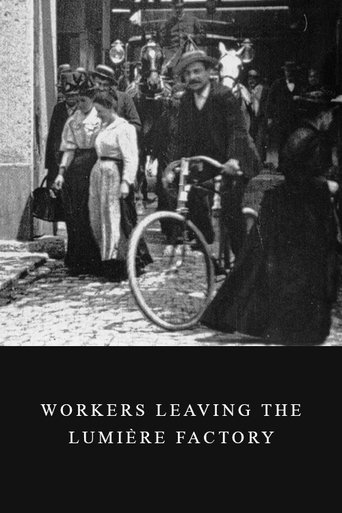
Working men and women leave through the main gate of the Lumière factory in Lyon, France. Filmed on 22 March 1895, it is often referred to as the first real motion picture ever made, although Louis Le Prince's 1888 Roundhay Garden Scene pre-dated it by seven years. Three separate versions of this film exist, which differ from one another in numerous ways. The first version features a carriage drawn by one horse, while in the second version the carriage is drawn by two horses, and there is no carriage at all in the third version. The clothing style is also different between the three versions, demonstrating the different seasons in which each was filmed. This film was made in the 35 mm format with an aspect ratio of 1.33:1, and at a speed of 16 frames per second. At that rate, the 17 meters of film length provided a duration of 46 seconds, holding a total of 800 frames.
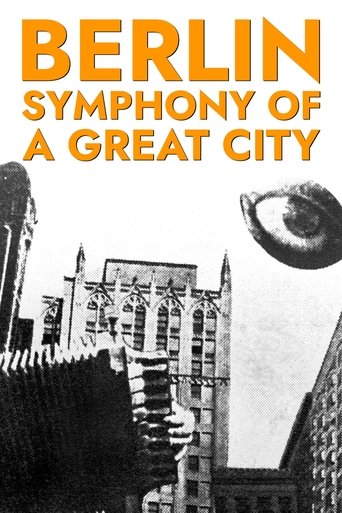
A day in the city of Berlin, which experienced an industrial boom in the 1920s, and still provides an insight into the living and working conditions at that time. Germany had just recovered a little from the worst consequences of the First World War, the great economic crisis was still a few years away and Hitler was not yet an issue at the time.

Jonathan Ross delves into the world of James Bond and meets with new and former cast members who reveal humorous stories and anecdotes in a series of interviews. All the 5 Bonds at the time are featured, though only Lazenby (reflecting in the usual frank, self criticizing manner), Moore and Brosnan granted an interview. Connery and Dalton are featured through some unused footage from LWT's 30 years of James Bond program. The ever faithful Desmond Llewelyn turns up in character as well as some other less related peeps like Christopher Lee, Paul McCartney and the ultimate playboy: Hugh Hefner -- who all give an interesting perspective on the worlds most famous spy.

The collective life of the generation born as Jurij Gagarin became the first man in space. Vitaly Mansky has woven together a fictional biography – taken from over 5.000 hours of film material, and 20.000 still pictures made for home use. A moving document of the fictional, but nonetheless true life of the generation who grew up in this time of huge change and upheaval.