

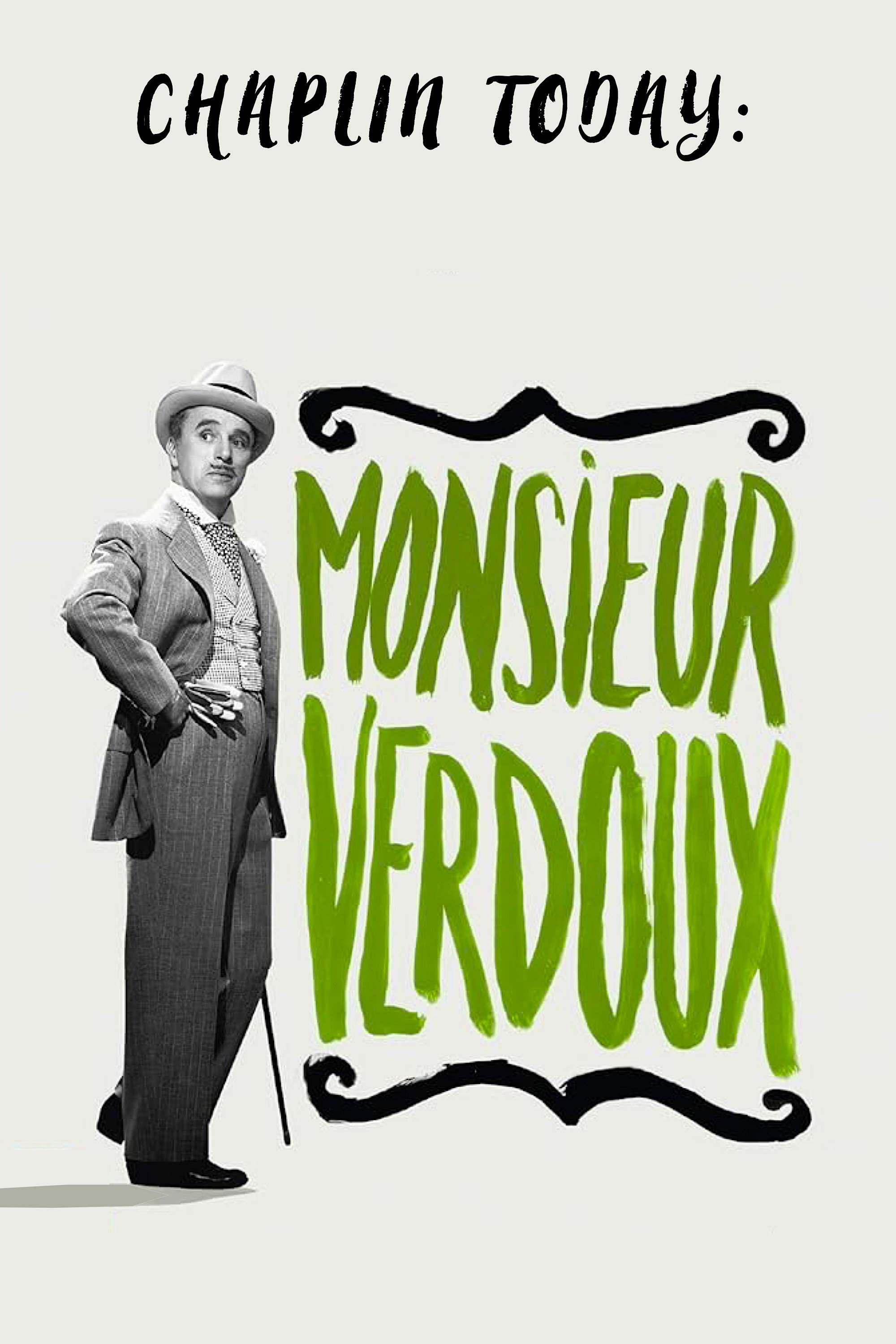
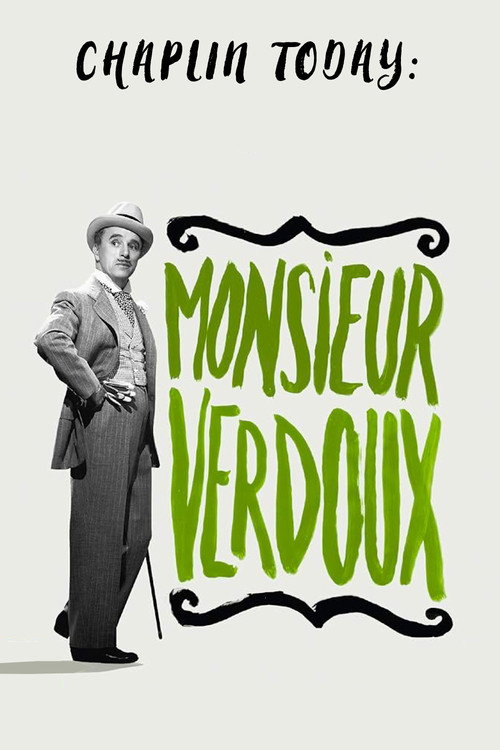
Chaplin Today: Monsieur Verdoux
TV Movie · Documentary
Overview
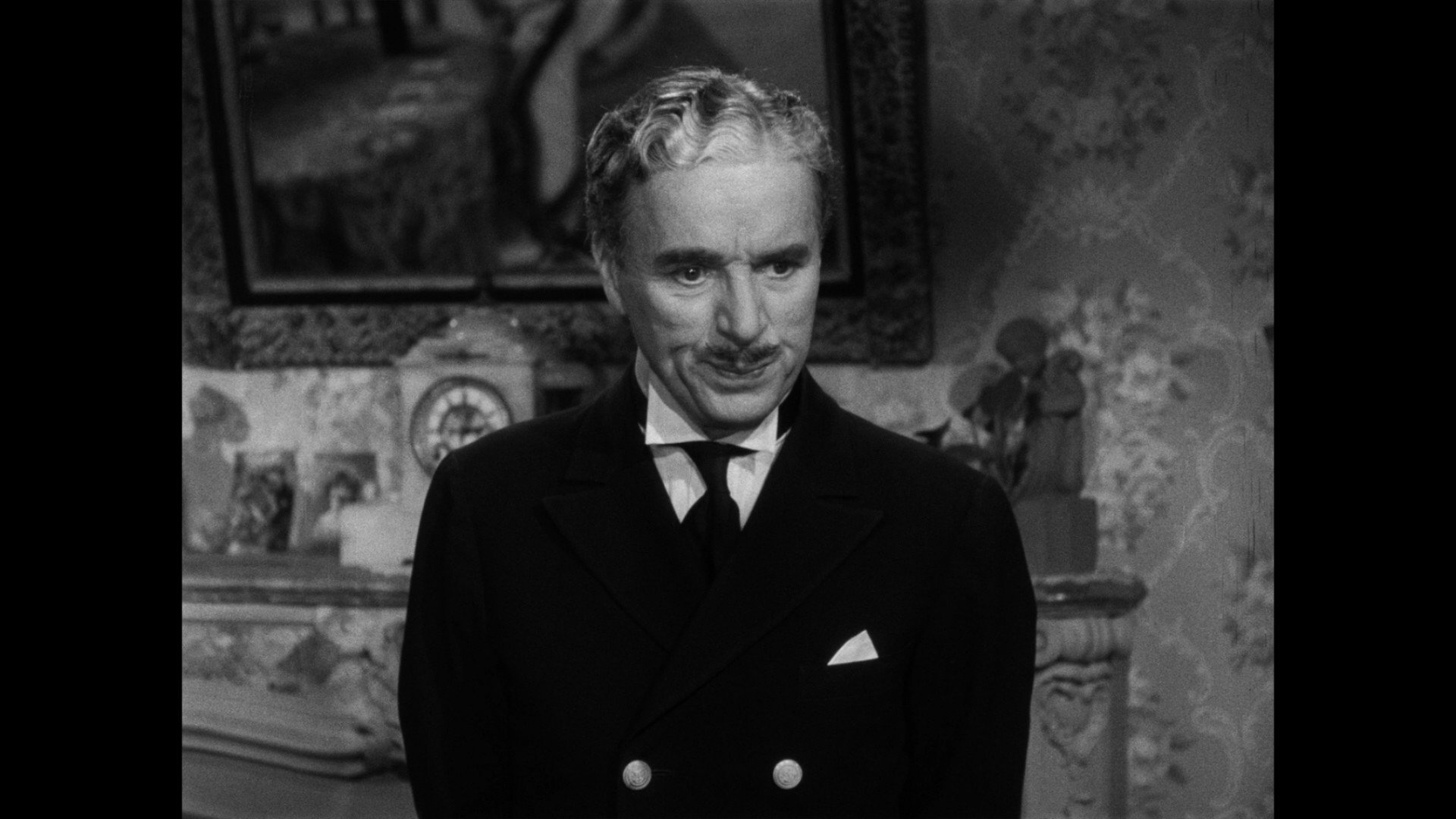
A short documentary in the Chaplin Today series about Chaplin's "Monsieur Verdoux." Includes an interview with Claude Chabrol, whose 1963 film "Landru" concerns the same serial killer that inspired Chaplin's film.




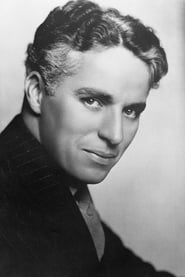
Charlie Chaplin
Charlie Chaplin
Self (archive footage)
Charlie Chaplin
Self (archive footage)

Claude Chabrol
Claude Chabrol
Self
Claude Chabrol
Self
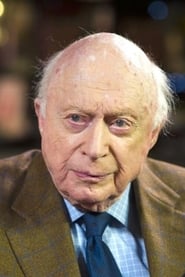
Norman Lloyd
Norman Lloyd
Self
Norman Lloyd
Self
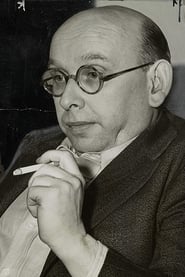
Hanns Eisler
Hanns Eisler
Self (archive footage)
Hanns Eisler
Self (archive footage)
Margaret Hoffman
Margaret Hoffman
Self (archive footage)
Margaret Hoffman
Self (archive footage)

Marilyn Nash
Marilyn Nash
Self (archive footage)
Marilyn Nash
Self (archive footage)

Martha Raye
Martha Raye
Self (archive footage)
Martha Raye
Self (archive footage)
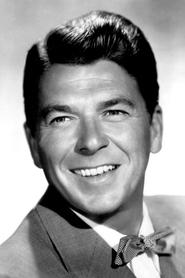
Ronald Reagan
Ronald Reagan
Self (archive footage)
Ronald Reagan
Self (archive footage)
Similar Movies
After 6 years of brutal murders, the West Yorkshire Police fear that they may have already interviewed The Ripper and let him back into the world to continue his reign of terror upon the citizens of Yorkshire. Assistant Chief Constable of the Manchester Police, Peter Hunter, is called in to oversee the West Yorkshire Police's Ripper investigation and see what they could have missed.
Detective Chief Superintendent Maurice Jobson is forced to remember the very similar disappearance of Clare Kemplay, who was found dead in 1974, and the subsequent imprisonment of local boy Michael Myshkin. Washed-up local solicitor John Piggott becomes convinced of Myshkin's innocence and begins to fight on his behalf, unwittingly providing a catalyst for Jobson to start to right some wrongs.
Yorkshire, 1974. Fear, mistrust and institutionalised police corruption are running riot. Rookie journalist Eddie Dunford is determined to search for the truth in an increasingly complex maze of lies and deceit surrounding the police investigation into a series of child abductions. When young Clare Kemplay goes missing, Eddie and his colleague, Barry, persuade their editor to let them investigate links with two similar abductions that draw them into a deadly world of secrecy, intimidation, shocking revelations and police brutality.
Film producer Sy Lerner makes a bet with a fellow film executive that he can turn any nobody into a star at the Cannes Film Festival. A New York cab driver who is visiting the festival is chosen as the test subject to settle the bet and Sy uses his skills of hype and manipulation to try and turn the cab driver named Frank into the talk of the town. Many celebrities make cameos throughout the film.
Equal parts punk and psychedelia, the Flaming Lips emerged from Oklahoma City as one of the most bracing bands of the late 1980s. The Fearless Freaks documents their rise from Butthole Surfers-imitating noisemakers to grand poobahs of orchestral pop masterpieces. Filmmaker Bradley Beesely had the good fortune of living in the same neighborhood as lead Lip Wayne Coyne, who quickly enlisted his buddy to document his band's many concerts and assorted exploits. The early footage is a riot, with tragic hair styles on proud display as the boys attempt to cover up their lack of natural talent with sheer volume. During one show, they even have a friend bring a motorcycle on stage, which is then miked for sound and revved throughout the performance, clearing the club with toxic levels of carbon monoxide. Great punk rock stuff. Interspersed among the live bits are interviews with the band's family and friends, revealing the often tragic circumstances of their childhoods and early career.
J.D. returns to his hometown many years after leaving Carrie at the altar. After their unhappy reunion, J.D. heads to California, only to soon fall for a woman he helps with her broken down car. Little does he know that this woman is a serial killer who takes on the identity of each of her victims.
This short was released in connection with the 20th anniversary of Warner Brothers' first exhibition of the Vitaphone sound-on-film process on 6 August 1926. The film highlights Thomas A. Edison and Alexander Graham Bell's efforts that contributed to sound movies and acknowledges the work of Lee De Forest. Brief excerpts from the August 1926 exhibition follow. Clips are then shown from a number of Warner Brothers features, four from the 1920s, the remainder from 1946/47.
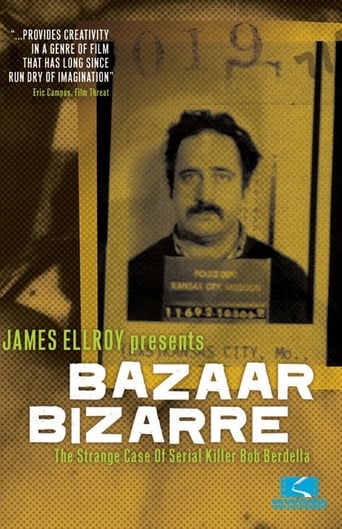
In 1988, Chris Bryson was found running down a Kansas City street naked, beaten, and bloody wearing nothing but a dog collar and a leash. He told police about Bob Berdella, a local business man and how Berdella had caputed him, held him hostage, raped him, tortured him and photographed him over several days. Police later arrested Berdella and searched his home where they found several hundred polaroid photographs, a detailed torture log, envelopes of human teeth and a human skull. It was soon discovered that Berdella had murdered 6 young men in his home after drugging them and performing his sick acts of sexual torture. Some lived the horrors for only a few days, one for 6 weeks. After death Berdella would cut up the bodies with an electric chain saw and a bone knife, place the body parts in empty dog food bags for trash collection on Monday. Although he denied this, it is believed that Berdella used organs of the victims as in food dishes he would serve at his shop.