

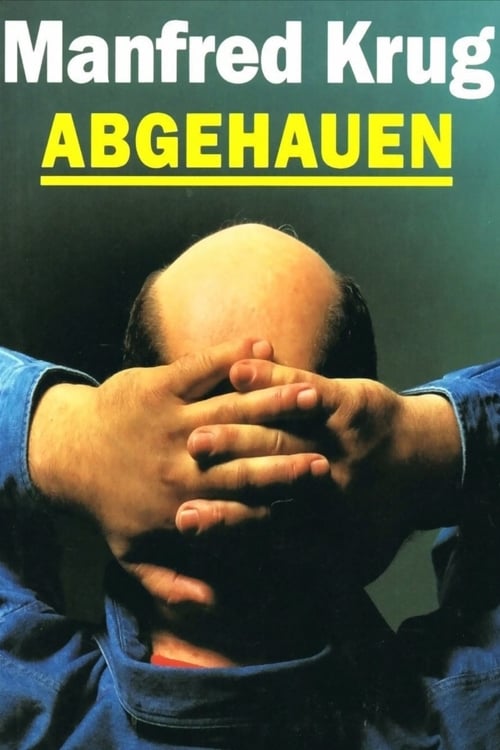
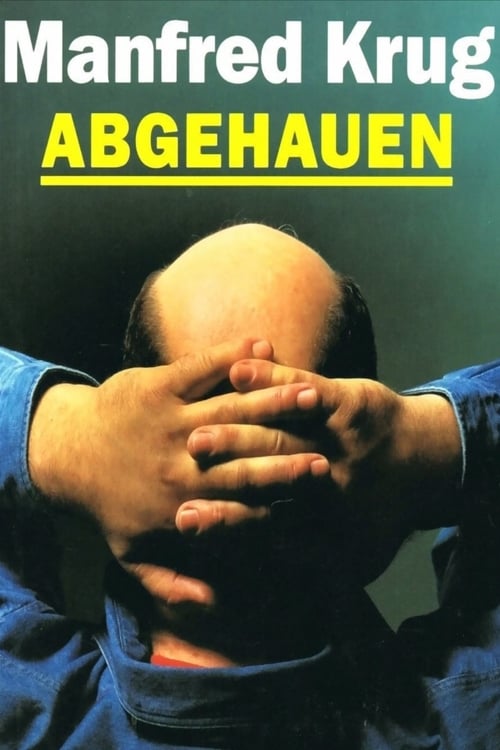
Abgehauen
TV Movie · Drama
Overview
The movie tells a true story in the life of well-known German actor Manfred Krug. Living in the German Democratic Republic he is forced to leave the country after protesting against the expatriation of singer/songwriter Wolf Biermann in 1976.
Top Cast

Peter Lohmeyer
Manfred Krug

Karoline Eichhorn
Ottilie Krug

Peter Donath
Manfred S.

Ann-Kathrin Kramer
Erika Salow
Uwe Kockisch
Jurek Becker
Jürgen Hentsch
Stefan Heym

Ute Lubosch
Christa W.
Hermann Beyer
Frank Beyer
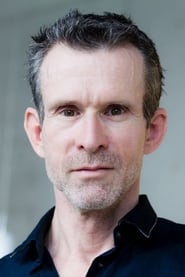
Ulrich Matthes
Eberhard Esche
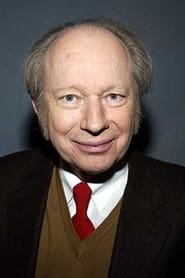
Hermann Lause
Werner Lamberz

Franziska Troegner
Danielle
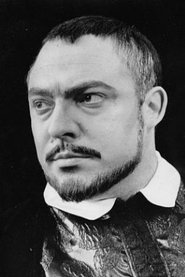
Wolfgang Dehler
Ulrich P.





Peter Lohmeyer
Peter Lohmeyer
Manfred Krug
Peter Lohmeyer
Manfred Krug
Karoline Eichhorn
Karoline Eichhorn
Ottilie Krug
Karoline Eichhorn
Ottilie Krug
Peter Donath
Peter Donath
Manfred S.
Peter Donath
Manfred S.
Ann-Kathrin Kramer
Ann-Kathrin Kramer
Erika Salow
Ann-Kathrin Kramer
Erika Salow
Uwe Kockisch
Uwe Kockisch
Jurek Becker
Uwe Kockisch
Jurek Becker
Jürgen Hentsch
Jürgen Hentsch
Stefan Heym
Jürgen Hentsch
Stefan Heym
Ute Lubosch
Ute Lubosch
Christa W.
Ute Lubosch
Christa W.
Hermann Beyer
Hermann Beyer
Frank Beyer
Hermann Beyer
Frank Beyer
Ulrich Matthes
Ulrich Matthes
Eberhard Esche
Ulrich Matthes
Eberhard Esche
Hermann Lause
Hermann Lause
Werner Lamberz
Hermann Lause
Werner Lamberz
Similar Movies
Ete and Ali are discharged from the army. Since Ete knows that his wife is having an affair, he doesn't want to go home. Ali tries to persuade his friend to stand up for himself and to kick the other man out. But since Ete obviously lacks courage, Ali himself goes into action and gets rid of the rival lover. At first, Mary and Ete seem to reconcile, but repairing their marriage won't work.

Based on a true story, Miguel Alexandre's two-part drama focuses on an East German woman and the fight for her children. Spring 1982: Sara Bender, living with her daughters Silvia and Sabine in the East German town of Erfurt, wants to marry her colleague Peter, but shortly before the wedding, her father is killed in a road accident. As the funeral takes place in West Germany, she isn't allowed to got there, so she starts planning to leave her communist home country forever. Trying to flee via Romania, she is caught by the secret service. After years in jail, Sara is ransomed by the West German government, but without her daughters. To draw the world's attention on her desperate situation, she starts demonstrating at the Berlin border crossing Checkpoint Charlie

A conference is to be held once again to discuss the construction of a new dam, which Professor Paul Satie rejects. During a train journey, he spontaneously leaves the train. Here in Wolfsgrün, from 1948 to 1950, he helped build the old, now far too small dam as a youth brigadier. He and the others who helped build it have erected a monument to this. A monument with his name on it. Is that perhaps why he is against the new dam?
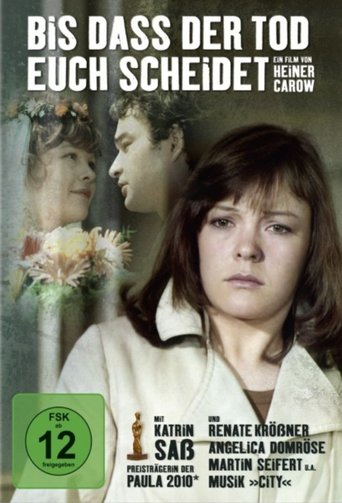
Scenes from an East German marriage. A young couple, Sonya and Jens, are very much in love; they get married and have a child. When Sonya wants to go back to work after her maternity leave, they clash for the first time; Jens insists that she remain a full-time wife and mother. Until Death Do Us Part turns an actual police report into a gripping drama, as the director explores the depths of his characters' emotions, driving the conflict to a catastrophic climax.

The school authorities want to read success stories in director Joachim Faber's reports. But they cannot simply be produced on an assembly line. Pupils, for example, use the wrong tone. The matter draws circles until the superiors finally talk about refusal to work. Director Faber is caught between the efforts to resolve the conflict with pedagogical means and the pressure from above.
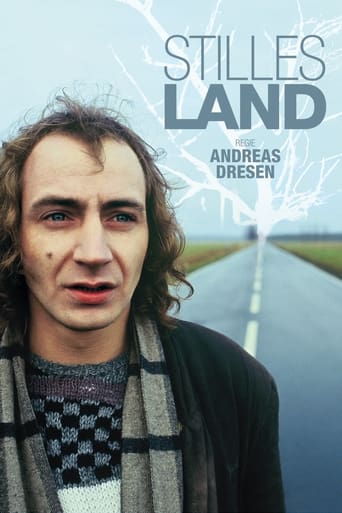
A young, naive and enthusiastic theater director named Kai comes to a grim provincial town to put on Beckett's Waiting for Godot. Although the lethargic theater company shows no interest in the play, his spirit remains undaunted.Meanwhile, it is fall 1989. The world is changing and somewhere, far away in the capital, a revolution is taking place and it seems that wishes might come true. Great hopes emerge in the little town and unexpected events overtake Kai's mutating production.
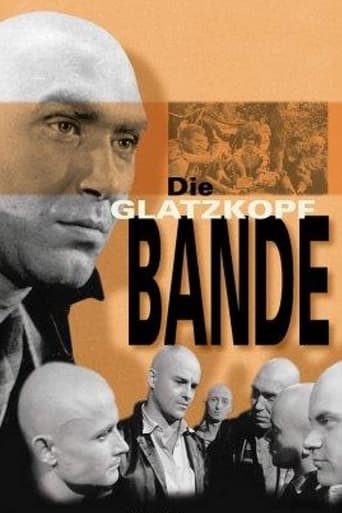
August 1961. The former Foreign Legionnaire, King, has collected a gang of hooligans, with whom he creates mischief in the GDR. After some careless work on a construction site, an event during which two people lose their lives, they move to a campsite on the Baltic Sea. With sputtering mopeds, loud radios, and occasional outbursts, the gang makes the vacationers' lives living hell. Unfortunately for them, Lieutenant Czernik discovers the connection between them and the accident at the construction site. To stop them from fleeing to West Berlin, Lieutenant Czernik and the police need to arrest them, one at a time, with King as the last.