


Verzeihung, sehen Sie Fußball?
Drama
Overview
A high-rise building in the center of Berlin in the GDR on July 11, 1982. The final match of the soccer World Cup is being broadcast on television. Five episodes revolve around this event: Soccer fanatic Kneutzsch is torn between the exciting match and the rather irritated woman by the unexpected visit of a lady to whom he has written a marriage announcement ... Dr. Kobermann - on painkillers - has mistaken the bathroom door for the corridor door and locked herself out. Her husband is sitting in front of the TV with headphones on and doesn't hear her ringing, so she seeks refuge in her nightgown with a neighbor, a flautist. After his ex-love Carmen leaves him and wants to return home, the exiled Andrés follows the game - in the knowledge that his father, thousands of kilometers away, is also watching...











Corinna Harfouch
Corinna Harfouch
Michaela
Corinna Harfouch
Michaela
Jutta Wachowiak
Jutta Wachowiak
Frau Dr. Kobermann
Jutta Wachowiak
Frau Dr. Kobermann
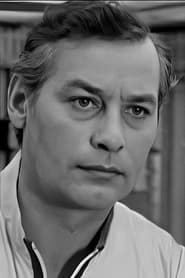
Alfred Struwe
Alfred Struwe
Herr Dr. Kobermann
Alfred Struwe
Herr Dr. Kobermann
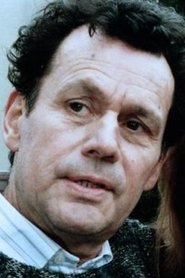
Reimar Johannes Baur
Reimar Johannes Baur
Flötist
Reimar Johannes Baur
Flötist

Christine Schorn
Christine Schorn
Frau
Christine Schorn
Frau
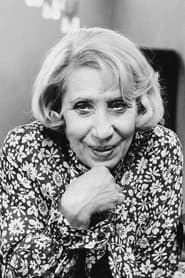
Agnes Kraus
Agnes Kraus
Herta
Agnes Kraus
Herta

Marita Böhme
Marita Böhme
Friederike
Marita Böhme
Friederike

Hermann Beyer
Hermann Beyer
Kneutzsch
Hermann Beyer
Kneutzsch
Similar Movies
Sunny is the singer of band trying to establish itself in the music-scene of East-Berlin. They play regular gigs in small towns, but Sunny feels out of touch with the audience and her life as a whole. She begins a relationship with the amateur saxophonist and studied philosopher Ralph who writes her a very personal song - but his obsession with death and unfaithful lifestyle is not for her. After getting into a quarrel with a band member who harasses her and telling off a show-host she is thrown out of the band. Abandoned, she struggles to regain control over her life.
Paul and Paula have had bad experiences with love: Paul is financially well off but has lost all affection for his wife, and Paula leads a troublesome life raising two children on her own. They meet and discover a strong passion for each other. Life seems like a dream when they're together - but their short flights from the burdens of reality are once and again interrupted by Paul's ties to family and career.
In this German political drama, an ex-Stasi agent encounters an old friend whom he may have betrayed after his friend tried to escape East Germany. The former East German agent is Otto Skrodt who after many years is about to be promoted in the highest government ranks. He is anxious to maintain a squeaky clean image. His daughter is Isabelle. The young and friendly Kalle returns after spending many years in jail for his escape attempts. He doesn't know exactly who blew the whistle, but his friend Skrodt is definitely under suspicion. Kalle returns to ostensibly renew the friendship and to see Isabelle whom he loves. The duplicitous friendship between the two men becomes the main focus of the story which features interesting plot twists at the end.
Based on a true story, Miguel Alexandre's two-part drama focuses on an East German woman and the fight for her children. Spring 1982: Sara Bender, living with her daughters Silvia and Sabine in the East German town of Erfurt, wants to marry her colleague Peter, but shortly before the wedding, her father is killed in a road accident. As the funeral takes place in West Germany, she isn't allowed to got there, so she starts planning to leave her communist home country forever. Trying to flee via Romania, she is caught by the secret service. After years in jail, Sara is ransomed by the West German government, but without her daughters. To draw the world's attention on her desperate situation, she starts demonstrating at the Berlin border crossing Checkpoint Charlie
Berlin in the 1960s. Olaf and Horst are two young metalworkers, who provoke their older colleagues with critiques of the antiquated equipment and lack of materials... not to mention their love of leather jackets and motorbikes. Olaf and Horst begin to be targeted in the house newsletter, and the generational conflict escalates.
The school authorities want to read success stories in director Joachim Faber's reports. But they cannot simply be produced on an assembly line. Pupils, for example, use the wrong tone. The matter draws circles until the superiors finally talk about refusal to work. Director Faber is caught between the efforts to resolve the conflict with pedagogical means and the pressure from above.