


Paths in the Night
Drama · Thriller
Overview
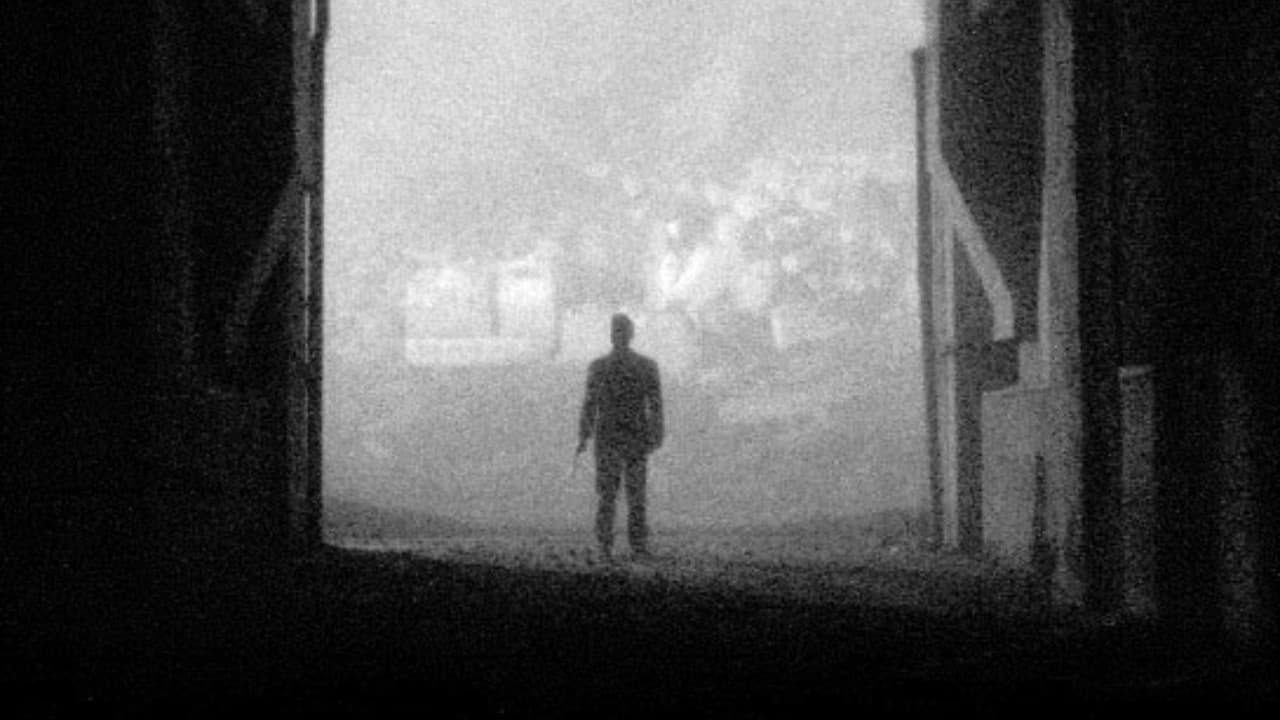
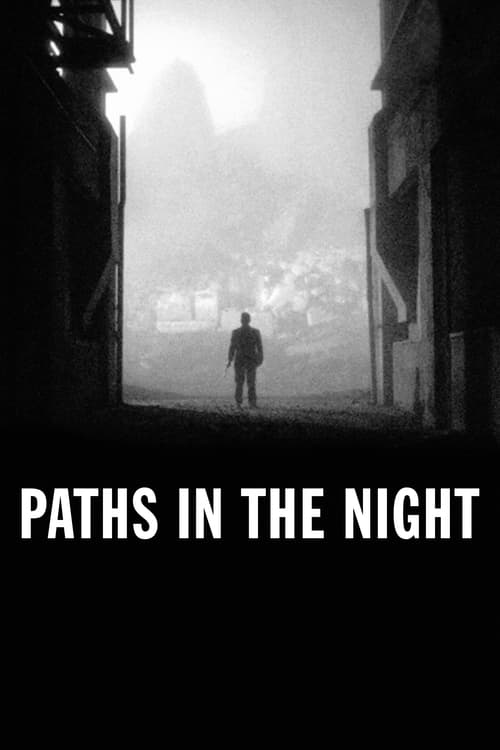
Set against the backdrop of post-unification Germany, the film explores the breakdown of relations in a decaying social structure.



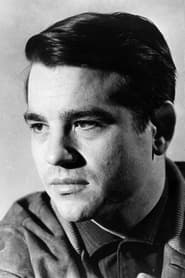
Hilmar Thate
Hilmar Thate
Walter
Hilmar Thate
Walter
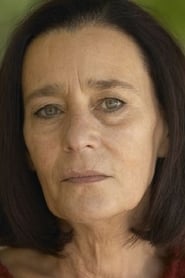
Cornelia Schmaus
Cornelia Schmaus
Sylvia
Cornelia Schmaus
Sylvia
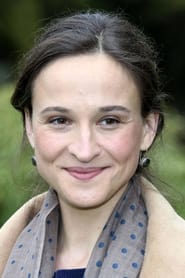
Henriette Heinze
Henriette Heinze
Gina
Henriette Heinze
Gina

Dirk Borchardt
Dirk Borchardt
Rene
Dirk Borchardt
Rene
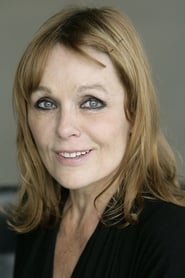
Ingeborg Westphal
Ingeborg Westphal
Kellnerin
Ingeborg Westphal
Kellnerin
Daniela Hoffmann
Daniela Hoffmann
Sylvias Kollegin
Daniela Hoffmann
Sylvias Kollegin

Alexander Höchst
Alexander Höchst
Alexander Höchst
Roman Leitner
Roman Leitner
Roman Leitner
Thomas Wendrich
Thomas Wendrich
Thomas Wendrich

Mišel Matičević
Mišel Matičević
Mišel Matičević
Similar Movies
The electrician Peter Drews is a brigadier at a Baltic Sea dockyard. His men are among the most reliable and diligent workers at the dockyard. Their motivation, however, increasingly suffers from Peter’s narcissism and imperiousness. Even his girlfriend Brigitte who is also a member of the brigade finds it increasingly difficult to accept his behavior. One day, Peter decides that the entire group must enter the navy - just because he has received his conscription call. While four men follow Peter into the navy, Brigitte, who has broken up with Peter, takes over the control of the brigade. During the work at the ship on which Peter is based at she meets the charming lieutenant Asmus.
The school authorities want to read success stories in director Joachim Faber's reports. But they cannot simply be produced on an assembly line. Pupils, for example, use the wrong tone. The matter draws circles until the superiors finally talk about refusal to work. Director Faber is caught between the efforts to resolve the conflict with pedagogical means and the pressure from above.
Based on a true story, Miguel Alexandre's two-part drama focuses on an East German woman and the fight for her children. Spring 1982: Sara Bender, living with her daughters Silvia and Sabine in the East German town of Erfurt, wants to marry her colleague Peter, but shortly before the wedding, her father is killed in a road accident. As the funeral takes place in West Germany, she isn't allowed to got there, so she starts planning to leave her communist home country forever. Trying to flee via Romania, she is caught by the secret service. After years in jail, Sara is ransomed by the West German government, but without her daughters. To draw the world's attention on her desperate situation, she starts demonstrating at the Berlin border crossing Checkpoint Charlie
A conference is to be held once again to discuss the construction of a new dam, which Professor Paul Satie rejects. During a train journey, he spontaneously leaves the train. Here in Wolfsgrün, from 1948 to 1950, he helped build the old, now far too small dam as a youth brigadier. He and the others who helped build it have erected a monument to this. A monument with his name on it. Is that perhaps why he is against the new dam?
Paul Schulte takes a spa stay on the Baltic Sea to have his heart condition treated. His wife Barbara accompanies him and finds interest in the valuable art objects in a nearby church. Together with her accomplice and lover Klaus Grunow, she plans to break into the church. But Paul Schulte sees through his wife's plans and tries to dissuade her. One morning, Paul Schulte is found dead.
At the end of the 1950s, the production of optics in the German Democratic Republic has reached top quality and instigates interest in the West. When national demand rises strongly and at the same time the export to South America heavily decreases, the Volkspolizei - the GDR police force - starts to look into the case. Two seemingly unrelated cases are the starting point for the investigation by second lieutenant Schellenberg of the department for optics racketeering: An old woman who was arrested in the Berlin city railway for trying to smuggle a pair of binoculars to West Berlin, and a dead person in an area of allotments who was involved in obscure dealings with optical devices.