

Eroica
Drama · Music · TV Movie
Overview
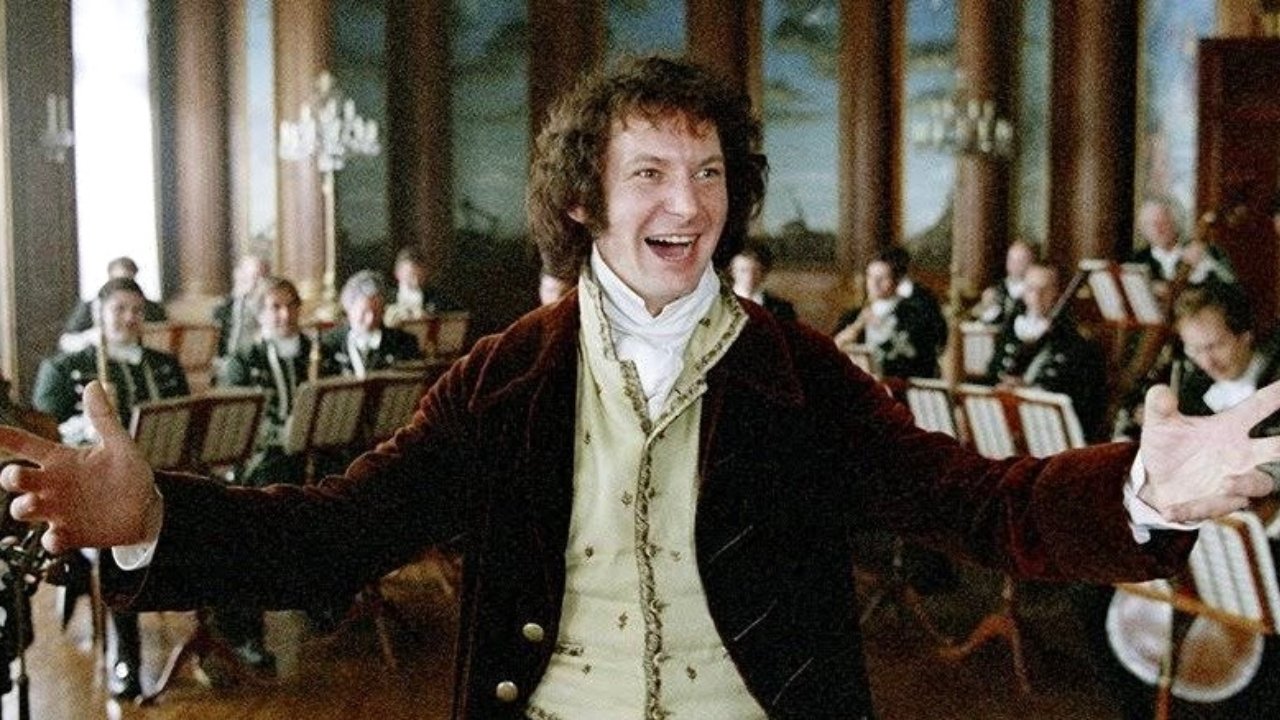
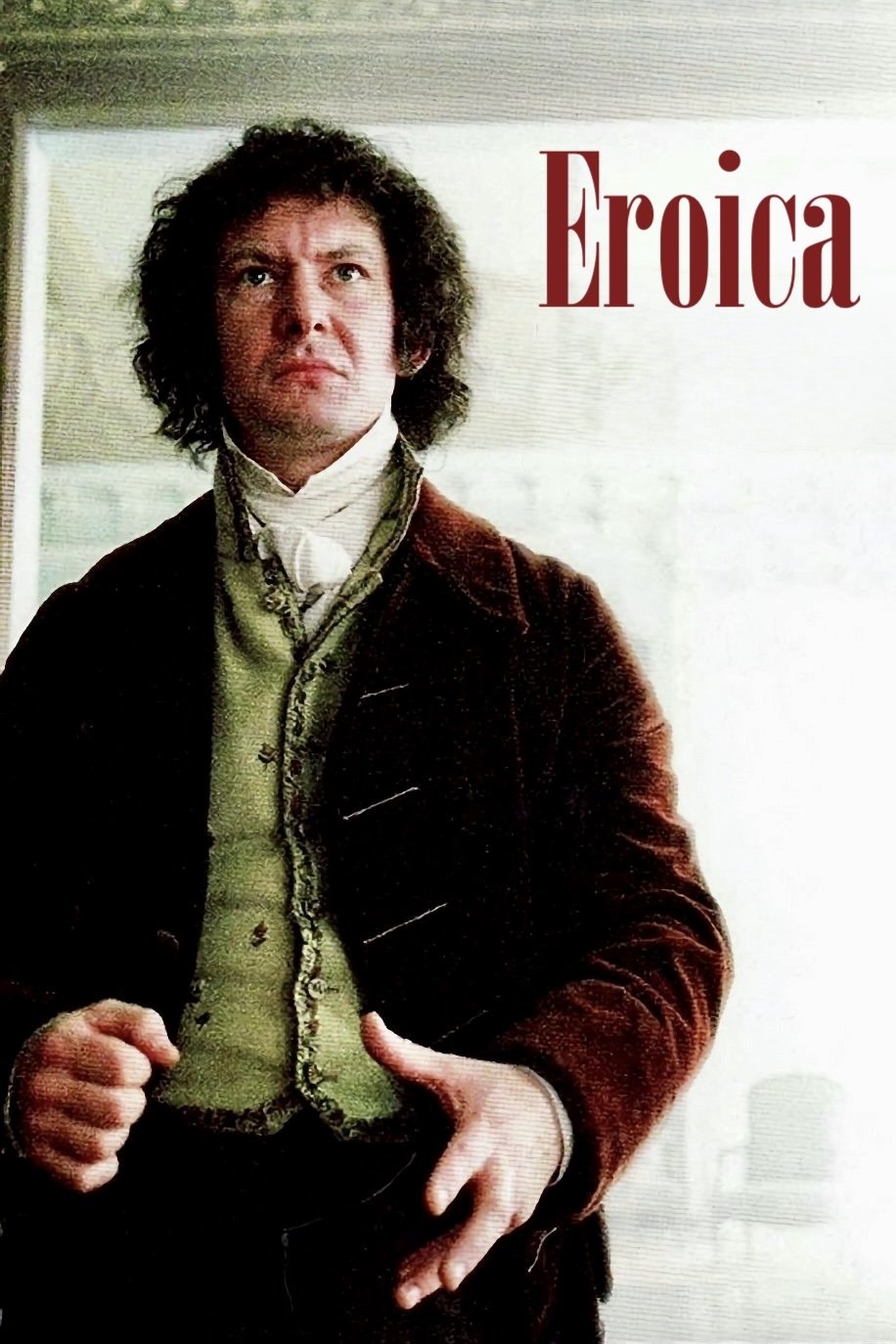
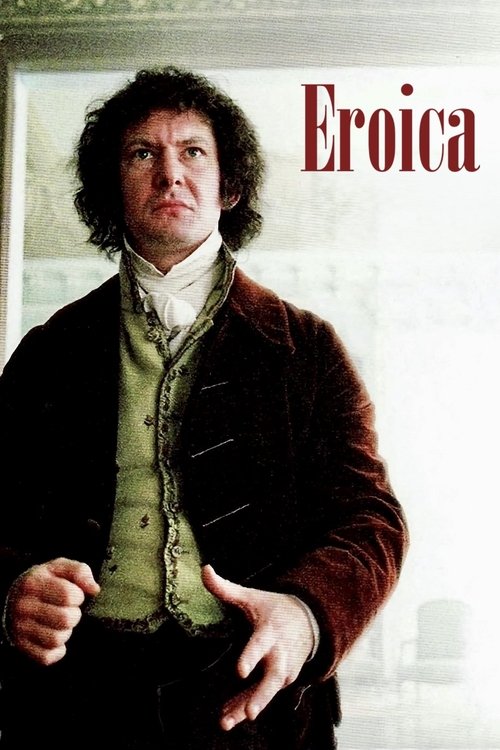
British filmmaker Simon Cellan Jones directs the BBC drama Eroica, starring Ian Hart as Ludwig van Beethoven. Shot on digital video, this TV film depicts the first performance of Beethoven's Third Symphony, June 9th, 1804, in Vienna, Austria. Prince Lobkowitz (Jack Davenport) has invited friends to listen to Beethoven conduct his new symphony for the first time. Among the aristocratic attendees are Count Dietrichstein (Tim Pigott-Smith), Countess Brunsvik (Claire Skinner), and composer Josef Haydn (Frank Finlay). The actual musical score is performed by the Orchestre Revolutionaire et Romantique, under the direction of John Eliot Gardiner.
Top Cast

Ian Hart
Ludwig van Beethoven
Jack Davenport
Prince Lobkowitz
Peter Hanson
Wranitzky
Claire Skinner
Josephine Deym
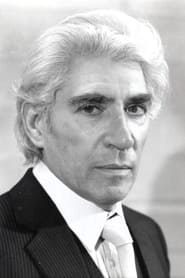
Frank Finlay
Josef Haydn

Leo Bill
Reis
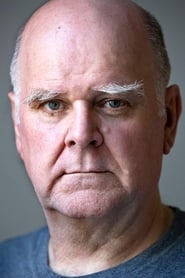
Trevor Cooper
Otto Fisher
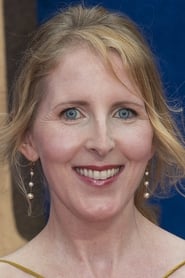
Fenella Woolgar
Princess Marie Lobkowitz
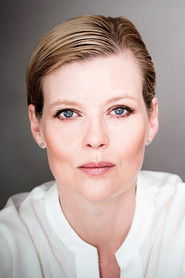
Lucy Akhurst
Therese Brunsvik

Victoria Shalet
Kirsten
Celina Liesegang
Stella
Jacob Engelberg
Franz


Ian Hart
Ian Hart
Ludwig van Beethoven
Ian Hart
Ludwig van Beethoven
Jack Davenport
Jack Davenport
Prince Lobkowitz
Jack Davenport
Prince Lobkowitz
Peter Hanson
Peter Hanson
Wranitzky
Peter Hanson
Wranitzky
Claire Skinner
Claire Skinner
Josephine Deym
Claire Skinner
Josephine Deym
Frank Finlay
Frank Finlay
Josef Haydn
Frank Finlay
Josef Haydn
Leo Bill
Leo Bill
Reis
Leo Bill
Reis
Trevor Cooper
Trevor Cooper
Otto Fisher
Trevor Cooper
Otto Fisher
Fenella Woolgar
Fenella Woolgar
Princess Marie Lobkowitz
Fenella Woolgar
Princess Marie Lobkowitz
Lucy Akhurst
Lucy Akhurst
Therese Brunsvik
Lucy Akhurst
Therese Brunsvik
Victoria Shalet
Victoria Shalet
Kirsten
Victoria Shalet
Kirsten
Similar Movies
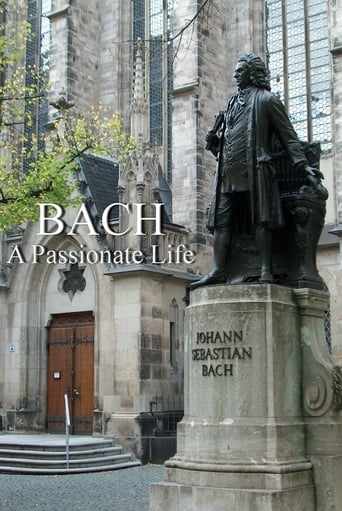
John Eliot Gardiner goes in search of Bach the man and the musician. The famous portrait of Bach portrays a grumpy 62-year-old man in a wig and formal coat, yet his greatest works were composed 20 years earlier in an almost unrivalled blaze of creativity. We reveal a complex and passionate artist; a warm and convivial family man at the same time a rebellious spirit struggling with the hierarchies of state and church who wrote timeless music that is today known world-wide. Gardiner undertakes a 'Bach Tour' of Germany, and sifts the relatively few clues we have - some newly-found. Most of all, he uses the music to reveal the real Bach.
Guang is a story about two brothers. The elder brother, Wen Guang is autistic. Wen Guang is often misunderstood. Above all, he lives with attention deficiency disorder, struggles with social interaction, and has difficulty performing day to day obligations. He also has a secret passion. To make ends meet, Wen Guang is coerced by his younger brother into looking for a job to share his burden on meeting their monthly expenses. Throughout the film, we see Wen Guang searching for a job, his daily routines and his secret passion as he searches for the final glass that will bring him a simple, pure, hard earned, fleeting moment of joy.
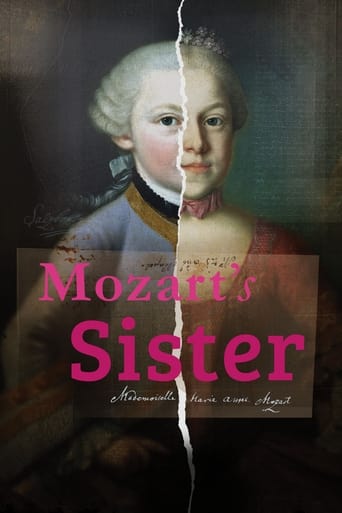
For the first 18 years of her life, Mozart’s sister shared equal billing with her brother. Musical partners and collaborators, Wolfgang Mozart and Maria-Anna Mozart played together before Kings and Queens, and were the talk of Europe. What happened to her? Forced into retirement by age 16 because she was a woman, a stunning new investigation explores why she was retired against her will and the explosive theory: did Maria-Anna Mozart continue to compose in secret?
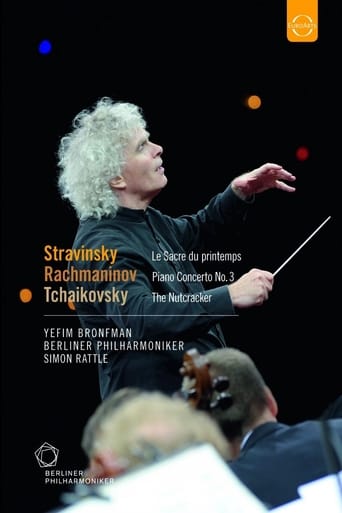
Every year, the Berliner Philharmoniker hold a kind of classical-music fête with a bright, cheerful concert to end the season. In 2009 about 22,000 people had come together at the Berlin Waldbühne to enjoy the traditional summer picnic concert. The theme of the evening was “Russian rhythms”, and star conductor Sir Simon Rattle, the Berliner Philharmoniker and Yefim Bronfman, one of the most famous pianists in the world today, presented a superb selection of Russian music. Repertoire Tchaikovsky: The Nutcracker, op. 71, Overture, The Christmas Tree, March, Pas de deux (Intrada) Rachmaninoff: Piano Concerto No.3 in D minor, op. 30 Stravinsky: Le Sacre du printemps Lincke: Berliner Luft
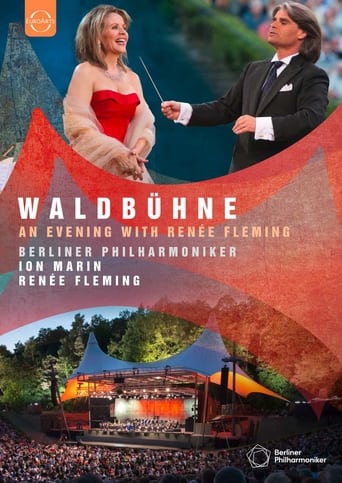
Repertoire Modest Mussorgsky: Night on Bald Mountain; Antonín Dvořák: Song to the Moon from “Rusalka”, Op. 114; Aram Chatschaturjan: Adagio from “Spartacus”; Richard Strauss: Final Scene from “Capriccio”, Op. 85; Richard Wagner: Overture to “Rienzi, der Letzte der Tribunen”; E. W. Korngold: Mariettas Lied from “Die tote Stadt”; Richard Strauss: Zueignung, Op. 10 No. 1; Sir Edward Elgar: Salut d’amour; Giacomo Puccini: Donde lieta uscì from “La bohème”; Tu che di gel sei cinta from “Turandot”; Ruggero Leoncavallo: Musette svaria sulla bocca viva from “La bohème”; Mimì Pinson, la biondinetta from “La bohème”; Piotr Tchaikovsky: “Romeo and Juliet” (Fantasy Overture)