

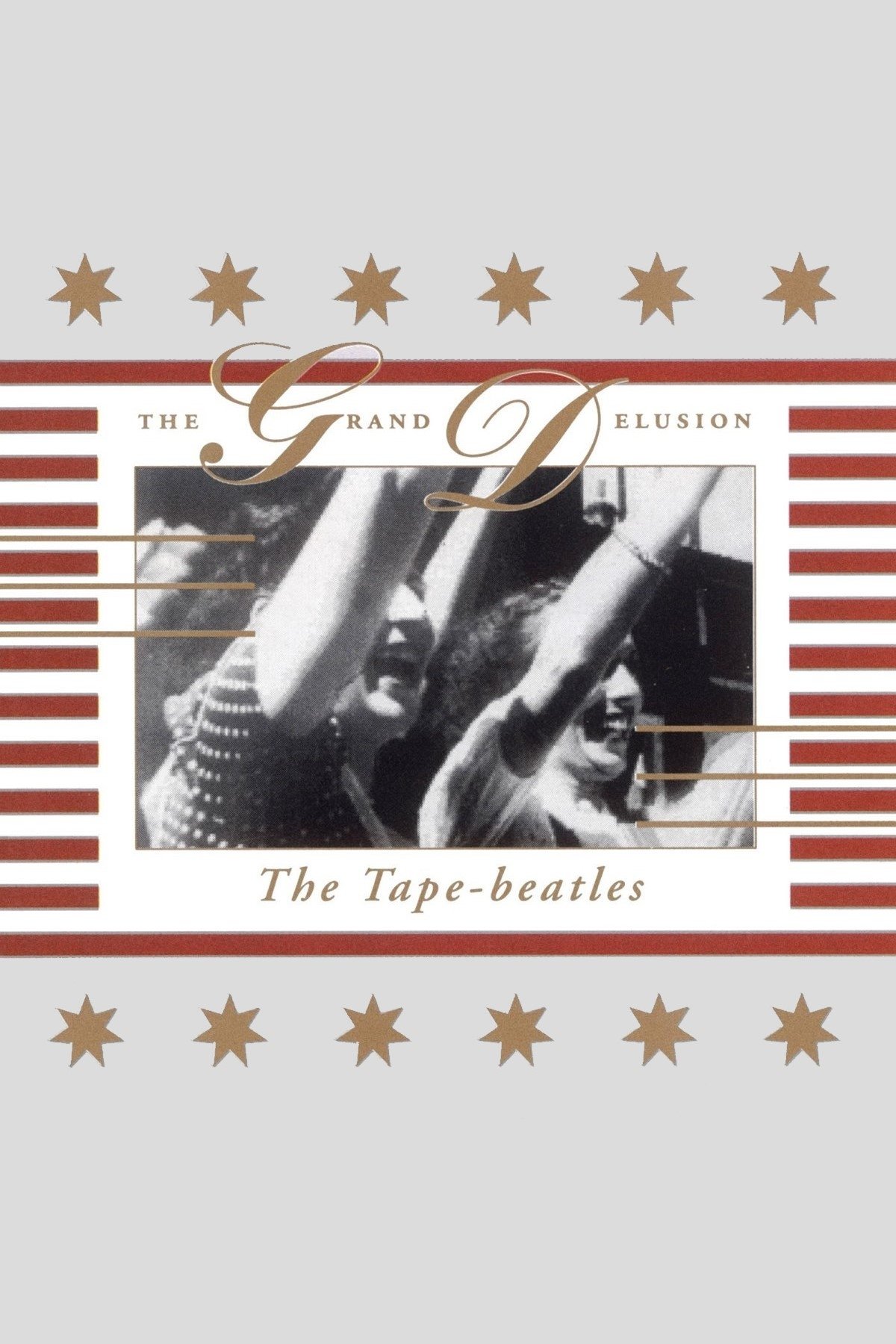
The Tape-Beatles: The Grand Delusion
Music
Overview
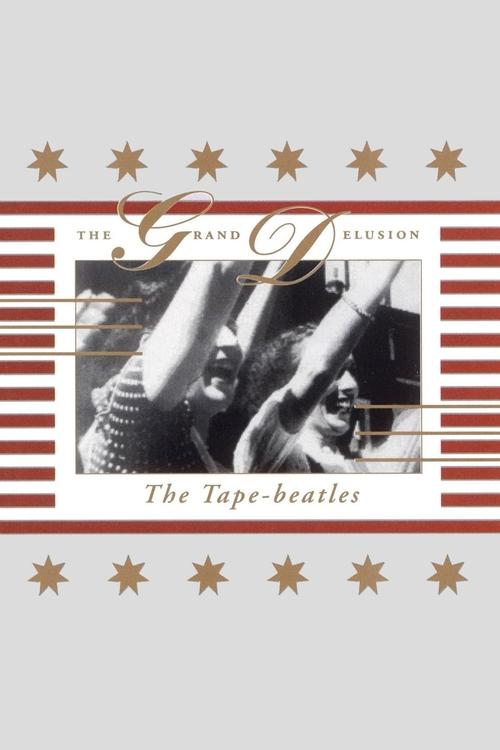
Produced in 1993, The Grand Delusion is one of our most completely realized works. In addition to taking the usual form of a Tape-beatles release (a CD), The Grand Delusion was also delivered in the form of an ‘expanded cinema’ presentation involving three-screen motion picture projections and sound. The screen space for this production is intended to be three times the width of the normal 3 to 4 "Edison" aspect ratio of 16mm. The presentation only uses the full width intermittently, so transitions from one form to the next has been translated here by means of a video effect. As a live performance presentation, The Grand Delusion has been screened in dozens of venues across North America and Europe.


No cast information.
Similar Movies
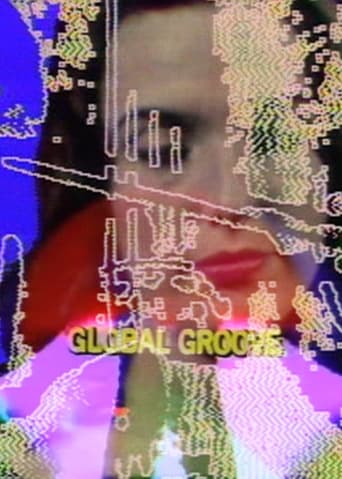
Global Groove was a collaborative piece by Nam June Paik and John Godfrey. Paik, amongst other artists who shared the same vision in the 1960s, saw the potential in the television beyond it being a one-sided medium to present programs and commercials. Instead, he saw it more as a place to facilitate a free flow of information exchange. He wanted to strip away the limitations from copyright system and network restrictions and bring in a new TV culture where information could be accessed inexpensively and conveniently. The full length of the piece ran 28 minutes and was first broadcasted in January 30, 1974 on WNET.
This documentary is a journey into our own fascination, a collection of portraits of folk musicians living in New England, and a study of the ground on which their music is founded. We listen to them as they tell their stories and play their music. First and foremost, Behind a Hill is a tribute to these musicians and a rare peep into the house parties and basement jams of New England, in the northwestern corner of the USA, with the vain hope attached that maybe you, the viewer, will grow as fond of the music as we have. When we first encountered these musicians, we were overwhelmed by the quality of their musical output. We were entranced by the melodies, harmonies, rhythms, and tempos and every other element that constitutes a song (or, as is often the case, a piece of abstract drone music, heavy feedback, or someone banging a steel pipe against a bag of dirt while chanting in a yet undiscovered language, or...).
One of Lawrence Jordan's earliest animated films, PINK SWINE is an energetic and playful mix of various animation styles. Described as "an anti-art dada collage film," this free-form short presents cut-out images animated across old photos (a style picked up by Terry Gilliam a few years later) and found objects that dance to the beat of the rock-and-roll soundtrack. He produced this short during a summer spent with Joseph Cornell and Jordan edited the film entirely in camera, making the upbeat visual rhythm of this delightful lark even more impressive. –Sean Axmaker
Animation. The theme is Weightlessness. Objects and characters are cut loose from habitual meanings, also from tensions and gravitational limitations. A lyric Eric Satie track accompanies the film. Such a portrait seems necessary from time to time to remind us that equilibrium and harmony are possible, and that we will not dissolve into a jelly if we allow ourselves to relax into them: A horseman rides through the landscape, through the town, but never arrives anywhere in particular. An acrobat swings on a rope above a canal in Venice, and is content just to swing there. Nothing threatens to disturb them. This film is a total contrast to the Kafka-like oddities of Eastern European animation. —Canyon Cinema
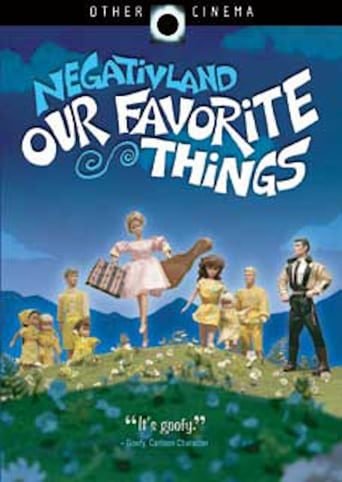
Our Favorite Things is a new DVD/CD release from reigning Kulture Kut-up Kings Negativland. Twenty-seven years of the group's "greatest hits" have become all-new moving pictures in this amazing, years-in-the-making package. Created with 18 other filmmakers from all over the USA (and one a capella group from Detroit), Our Favorite Things is a collaborative project that takes Negativland's sound explorations into the world of film and video. What emerges is a darkly cracked look at 21st century America, juxtaposing paranoia, torture, control, power, weapons, fear, suicide, cola wars, mental illness, and intellectual property issues with the lighter side of dopey advertising, cartoon characters, cleaning products and Jesus.
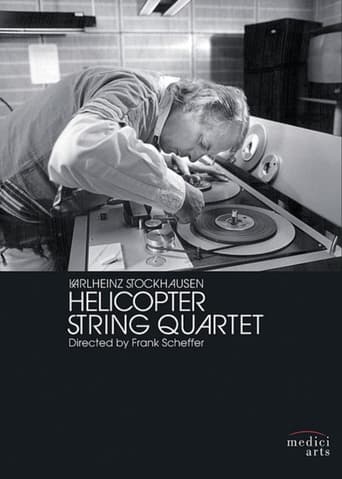
One morning, the late Karlheinz Stockhausen awoke from a dream that told him to take to the sky. Stockhausen envisioned four helicopters swirling in the clouds, with each of a quartet’s members tucked inside his own chopper, communicating through headsets, stringing away in sync to the rotor-blade motors. He immediately set forth to make that dream a reality. In 1995, Dutch film director Scheffer followed Stockhausen in the days leading up to the premiere performance of his Helicopter String Quartet in Amsterdam. The resulting film offers a rare glimpse of Stockhausen as he patiently dictates every agonizingly detailed measure to the Arditti Quartet.
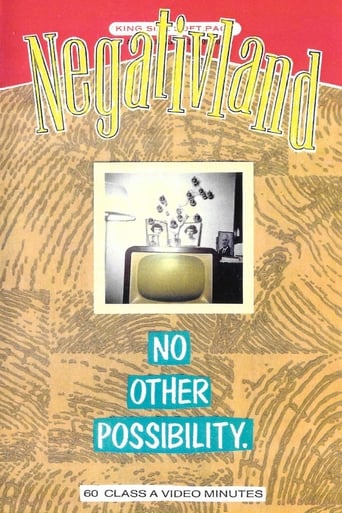
In an effort to cure her smoking habit a middle-aged woman discovers that she can communicate with her long lost son while watching a Halloween safety program on TV. After suffering a nervous breakdown, her husband, a used car salesman, is revitalized when he travels back in time to drive the first car he ever sold. Seventeen years later a powerful canned food manufacturer crashes the same car into a toaster truck while endorsing a brand of yams on live TV. At the funeral his clergyman experiences a crisis of faith when he and a lifelike Mexican continue their search for a married couple who have befriended an insect who enjoys drinking lime soda. They later meet a young man whose bizarre murder scheme involves four innocent members of an experimental rock band who have all given up smoking.