


From Romero to Rome: The Rise and Fall of the Italian Zombie Movie
Documentary
Overview
The history of Italian zombie cinema, beginning with the breakout worldwide influence and success of George Romero's Night of the Living Dead and continuing through to Lucio Fulci's trend-setting Zombie Flesh-Eaters (Zombi 2) and its many imitators.


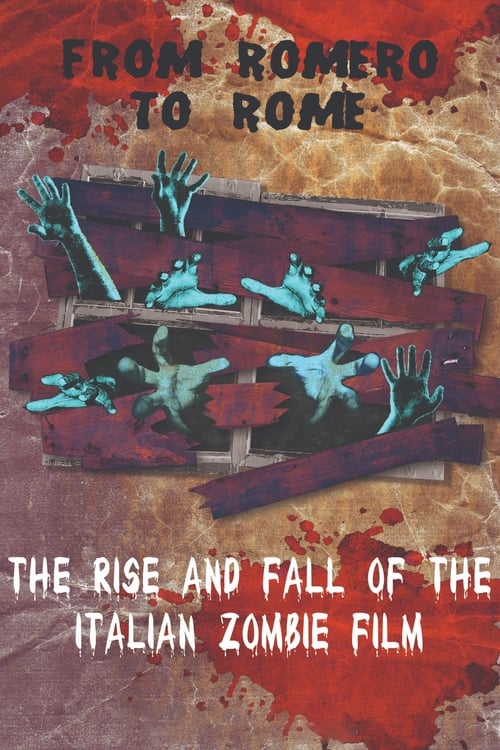

Ruggero Deodato
Ruggero Deodato
Himself
Ruggero Deodato
Himself

Luigi Cozzi
Luigi Cozzi
Himself
Luigi Cozzi
Himself
Russell Streiner
Russell Streiner
Himself
Russell Streiner
Himself

Kim Newman
Kim Newman
Himself
Kim Newman
Himself
Dardano Sacchetti
Dardano Sacchetti
Himself
Dardano Sacchetti
Himself

Alex Chandon
Alex Chandon
Himself
Alex Chandon
Himself

David McGillivray
David McGillivray
Himself
David McGillivray
Himself
Antonio Tentori
Antonio Tentori
Himself
Antonio Tentori
Himself
Similar Movies
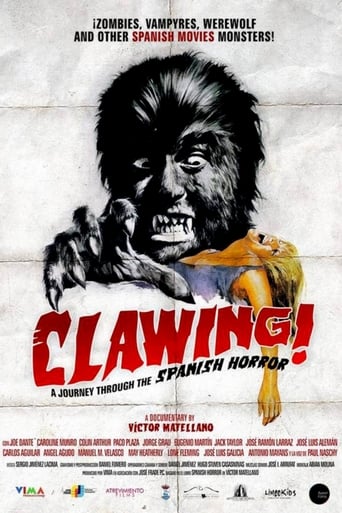
In the late sixties, Spanish cinema began to produce a huge amount of horror genre films: international markets were opened, the production was continuous, a small star-system was created, as well as a solid group of specialized directors. Although foreign trends were imitated, Spanish horror offered a particular approach to sex, blood and violence. It was an extremely unusual artistic movement in Franco's Spain.
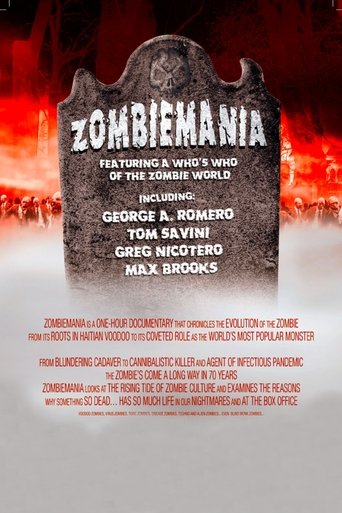
The evolution of the zombie from its roots in Haitian voodoo to its coveted role as the world's most popular monster: from being a clumsy corpse to becoming a cannibal killer and the main agent of every infectious pandemic, the zombie has come a long way in seventy years. A look at the rising tide of zombie culture examining why something so dead has so much life in viewers' nightmares and at the box office.
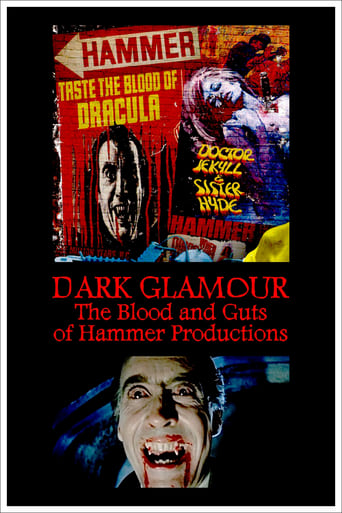
The greatness, fall and renaissance of Hammer, the flagship company of British popular cinema, mainly from 1955 to 1968. Tortured women and sadistic monsters populated oppressive scenarios in provocative productions that shocked censorship and disgusted critics but fascinated the public. Movies in which horror was shown in offensive colors: dreadful stories, told without prejudices, that offered fear, blood, sex and stunning performances.
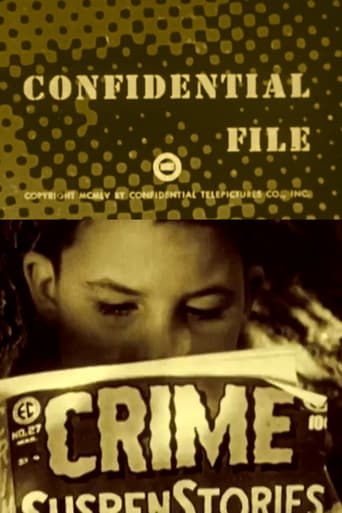
In 1954 the Senate Subcommittee on Juvenile Delinquency conducted an investigation into how the comic book industry was supposedly contributing to the moral decay of a nation's youth. The investigations were spurred on by a number of articles that blamed comics for the rise in juvenile delinquency in post-war America. Chief among the critics was Doctor Frederic Wertham, whose book, "Seduction of The Innocent" has been blamed for nearly single-handedly crippling the entire comics industry. "Confidential File" was aired in 1955, after the senate hearings and the formation of the Comics Code, but it serves as a perfect example of how the media reacted to the comic book industry, and sought a scape goat by blaming the comic book publications for society's own lack of responsibility in raising its children.