

Hooray for Horrorwood
Documentary
Overview
Forrest J. Ackerman styles himself as the number-one fan of science fiction and horror movies, and he has the collection to back it up: more than 350,000 books, publicity stills, lobby cards, props, posters and paintings related to his obsession.

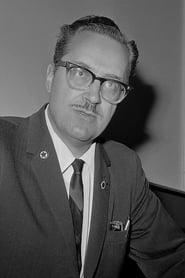
Forrest J. Ackerman
Forrest J. Ackerman
Self / Host
Forrest J. Ackerman
Self / Host

John Zacherle
John Zacherle
Self
John Zacherle
Self

Ray Bradbury
Ray Bradbury
Self
Ray Bradbury
Self

Robert Englund
Robert Englund
Self
Robert Englund
Self

Mick Garris
Mick Garris
Self
Mick Garris
Self

Linnea Quigley
Linnea Quigley
Self
Linnea Quigley
Self

Bobbie Bresee
Bobbie Bresee
Self
Bobbie Bresee
Self

Sara Karloff
Sara Karloff
Self
Sara Karloff
Self
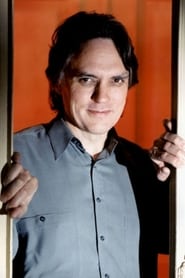
William Malone
William Malone
Self
William Malone
Self
Similar Movies
A roller-coaster ride through the history of American exploitation films, ranging from Roger Corman's sci-fi and horror monster movies, 1960s beach movies, H.G. Lewis' gore-fests, William Castle's schlocky theatrical gimmicks, to 1970s blaxploitation, pre-"Deep Throat" sex tease films, Russ Meyer's bosom-heavy masterpieces, etc, etc. Over 25 interviews of the greatest purveyors of weird films of all kind from 1940 to 1975. Illustrated with dozens of films clips, trailers, extra footage, etc. This documentary as a shorter companion piece focusing on exploitation king David F. Friedman.
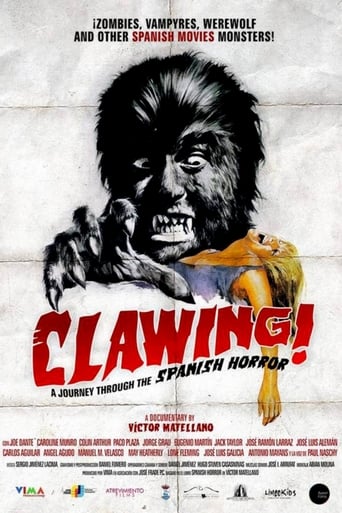
In the late sixties, Spanish cinema began to produce a huge amount of horror genre films: international markets were opened, the production was continuous, a small star-system was created, as well as a solid group of specialized directors. Although foreign trends were imitated, Spanish horror offered a particular approach to sex, blood and violence. It was an extremely unusual artistic movement in Franco's Spain.
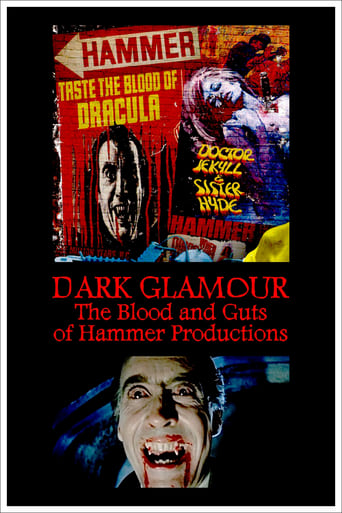
The greatness, fall and renaissance of Hammer, the flagship company of British popular cinema, mainly from 1955 to 1968. Tortured women and sadistic monsters populated oppressive scenarios in provocative productions that shocked censorship and disgusted critics but fascinated the public. Movies in which horror was shown in offensive colors: dreadful stories, told without prejudices, that offered fear, blood, sex and stunning performances.
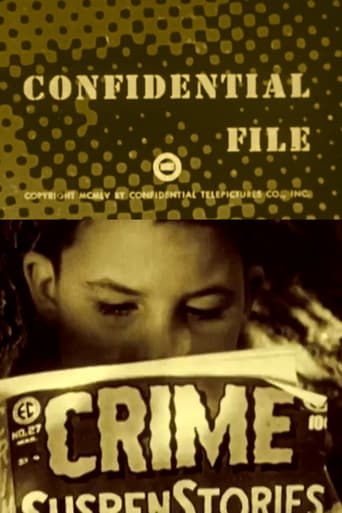
In 1954 the Senate Subcommittee on Juvenile Delinquency conducted an investigation into how the comic book industry was supposedly contributing to the moral decay of a nation's youth. The investigations were spurred on by a number of articles that blamed comics for the rise in juvenile delinquency in post-war America. Chief among the critics was Doctor Frederic Wertham, whose book, "Seduction of The Innocent" has been blamed for nearly single-handedly crippling the entire comics industry. "Confidential File" was aired in 1955, after the senate hearings and the formation of the Comics Code, but it serves as a perfect example of how the media reacted to the comic book industry, and sought a scape goat by blaming the comic book publications for society's own lack of responsibility in raising its children.
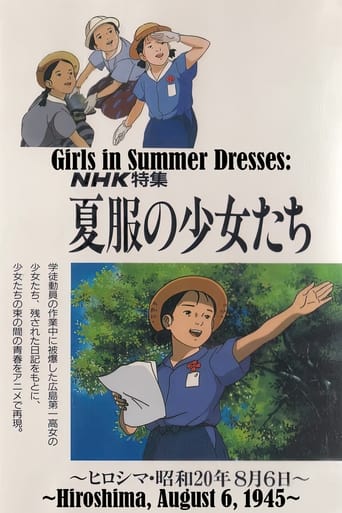
In 1945, the second- and third-year students of a Hiroshima girls' school are taken away to work in war factories. The remaining 220 girls of the first year try to make the best of their new-found status as the only teenagers in an almost deserted town, even amid the deprivations of wartime. On the seventh of August, an American bomber changes their lives forever. Broadcast on the 43rd anniversary of Hiroshima in memory of "the girls who lost their lives to the atom bomb." (Source: Anime Encyclopedia)