


If You Build It
Documentary
Overview
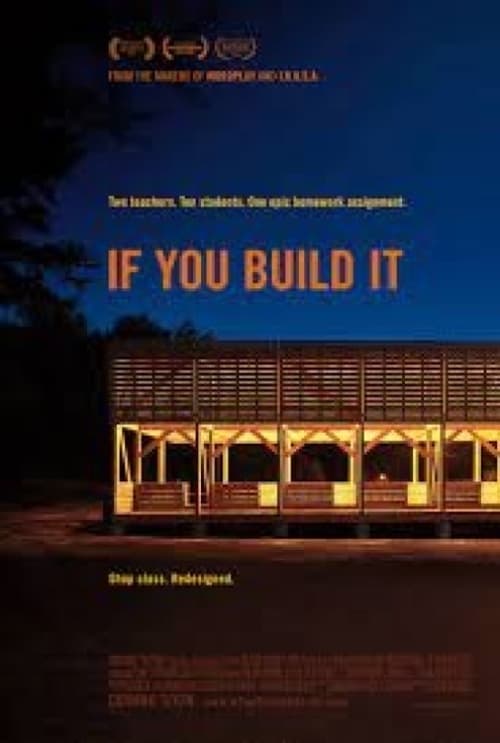
A year in the life of one of America's most innovative classrooms where students design & build to transform their hometown community. The film follows Emily Pilloton and Matt Miller as they teach the fundamentals of design, architecture and construction to a class of high school juniors in rural North Carolina.
Top Cast

Matthew Miller
Matthew Miller
Matthew Miller
Emily Pilloton
Emily Pilloton
Emily Pilloton
Similar Movies

“The Walkout” is a new documentary that brings to light a pivotal but often overlooked moment in Texas history: the 1968 student walkout at Edgewood High School in San Antonio’s Westside. Fed up with underfunded classrooms, uncertified teachers, and crumbling facilities, a group of young Mexican American students and their families organized a bold protest that would become a catalyst for statewide education reform. Told through the voices of the original students, community leaders, and historians, The Walkout weaves together personal testimony, historical footage, and present-day reflections to honor the legacy of resistance born in San Antonio’s Westside. This film doesn’t just revisit the past; it also draws a direct line to today’s struggles over school funding and equity in Texas.

In 1967, de Andrade was invited by the Italian company Olivetti to produce a documentary on the new Brazilian capital city of Brasília. Constructed during the latter half of the 1950s and founded in 1960, the city was part of an effort to populate Brazil’s vast interior region and was to be the embodiment of democratic urban planning, free from the class divisions and inequalities that characterize so many metropolises. Unsurprisingly, Brasília, Contradições de uma Cidade Nova (Brasília, Contradictions of a New City, 1968) revealed Brasília to be utopic only for the wealthy, replicating the same social problems present in every Brazilian city. (Senses of Cinema)
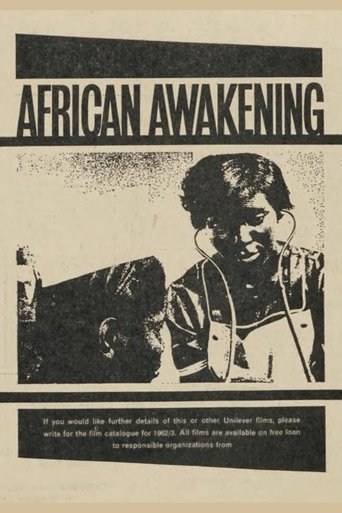
Among the many parts of the world in which Unilever companies operate, West Africa has a special place. The Africa of popular imagination is a land of jungles, swamps and mud huts; but side by side with the traditional, a new Africa is growing and the film "African Awakening” is an expression of this, of the attitudes of those African men and women who are today the driving force of West African progress. “African Awakening”, a colour film which runs for 38 minutes, is one of a series of Unilever films dealing with different aspects of African life.
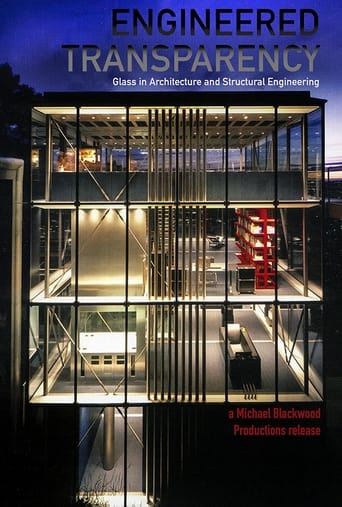
Accentuating the effects of space, light and structure, glass has become an architectural staple that encourages transparency and visibility throughout a variety of landscapes. After its role in the last century's call to a radical new architecture and urban life, glass architecture is today more ubiquitous than ever.
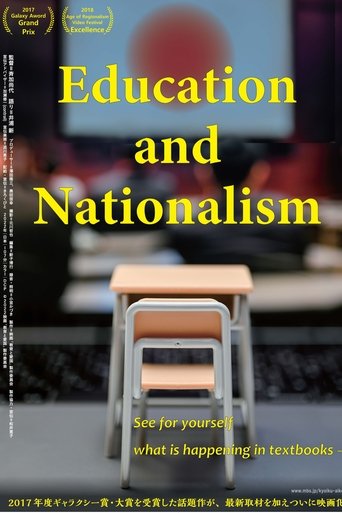
A group of uniformed Japanese schoolchildren make their way to class. But what they will be taught when they get there is a subject increasingly under government scrutiny. EDUCATION AND NATIONALISM traces growing government intervention in Japanese history and social science education over the last decade — a process embraced by the late Japanese Prime Minister Shinzo Abe.
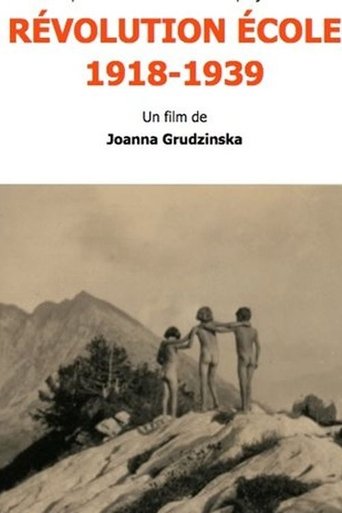
In a Europe traumatized by the First World War, educationalists point the finger of blame: the school, which produced “brave soldiers”. The task now is to build peace and develop a new education for a generation of children who, it is hoped, will never wage war again. How can we educate them without surveillance and punishment? How can we help them to emancipate themselves? To make children happy is to make them better adults, according to those who embarked on the adventure. Their names are Rudolf Steiner, Maria Montessori, Célestin Freinet, Alexander S. Neill, Ovide Decroly, Paul Geheeb or Janusz Korczak, each of them inventing educational methods. A Swiss pedagogue, Adolphe Ferrière, brought them together in the Ligue internationale de l'éducation nouvelle.
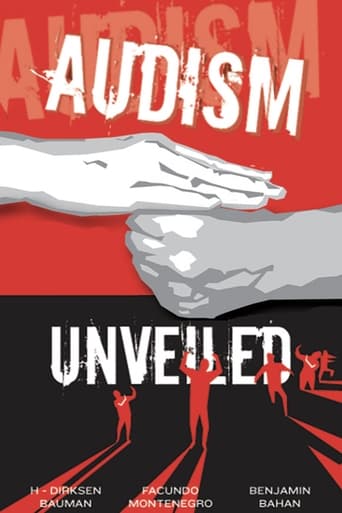
In American Sign Language (ASL) with subtitles available in English, Spanish and Canadian French. This powerful documentary uses real life experiences from Deaf people of varied social, racial, and educational boundaries showing how this form of oppression does lasting and harmful damage. Bonus materials include directors' comments from Ben Bahan and H-Dirksen Bauman and additional scences. Teachers: This film is a wonderful tool for beginning ASL students, as an introduction to a side of Deaf culture that cannot be found in any textbook.
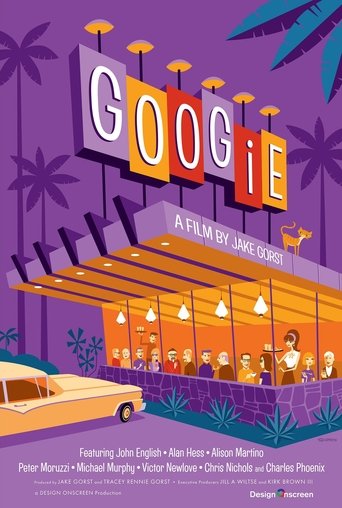
Googie architecture was one of the most visually exuberant and culturally formative design movements of the mid-20th century, yet it remains widely misunderstood. Defined by bold angles, sweeping rooflines, neon signage, and a sense of space-age optimism, Googie transformed everyday buildings into roadside spectacle. Coffee shops, bowling alleys, car washes, banks, and churches were designed not just for function, but to captivate motorists cruising by. Rooted in Los Angeles, the movement drew inspiration from visionary architects such as Frank Lloyd Wright and John Lautner, while firms like Armet & Davis brought futuristic flair to the commercial landscape. Though many original structures have been lost, preservationists now champion Googie as a serious architectural expression—one that captured the aspirations of postwar America and reshaped the visual identity of the modern city.
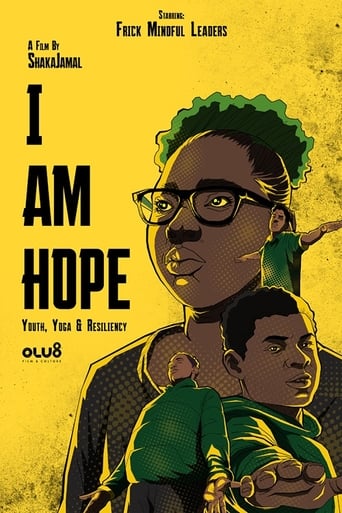
Through fly-on-the-wall footage and insightful interviews, director ShakaJamal chronicles the effort to create a first-of-its-kind yoga and mindfulness program for Oakland Unified School District middle schools. Aimed at expanding students’ awareness and refining their goals, the initiative has been a unique success, and I Am Hope offers a poignant portrait of the day-to-day struggles of diverse young people united in their desire to pursue big dreams.
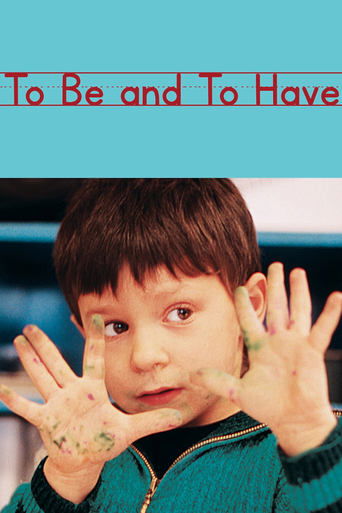
The documentary's title translates as "to be and to have", the two auxiliary verbs in the French language. It is about a primary school in the commune of Saint-Étienne-sur-Usson, Puy-de-Dôme, France, the population of which is just over 200. The school has one small class of mixed ages (from four to twelve years), with a dedicated teacher, Georges Lopez, who shows patience and respect for the children as we follow their story through a single school year.

In the heart of Paris, an entire palace has disappeared. It was the very first residence of the kings of France. Long before Versailles, long before the Louvre, the Palais de la Cité stood on the most prestigious island in Paris, the historic cradle of France, facing Notre-Dame. So majestic in the Middle Ages, this palace has become a ghost of history. Over the centuries, this architectural masterpiece has almost completely disappeared. A trio of experts will resurrect it in 3D. Using science and unprecedented excavations, they will track down the pieces of the puzzle to reconstruct it at its peak in the 14th century, and bring back to life those who inhabited it. From the Romans to the Vikings, from Saint Louis to the cursed kings, all have left clues of this 'Versailles of the Middle Ages'.