

Symphony of a City
Documentary
Overview
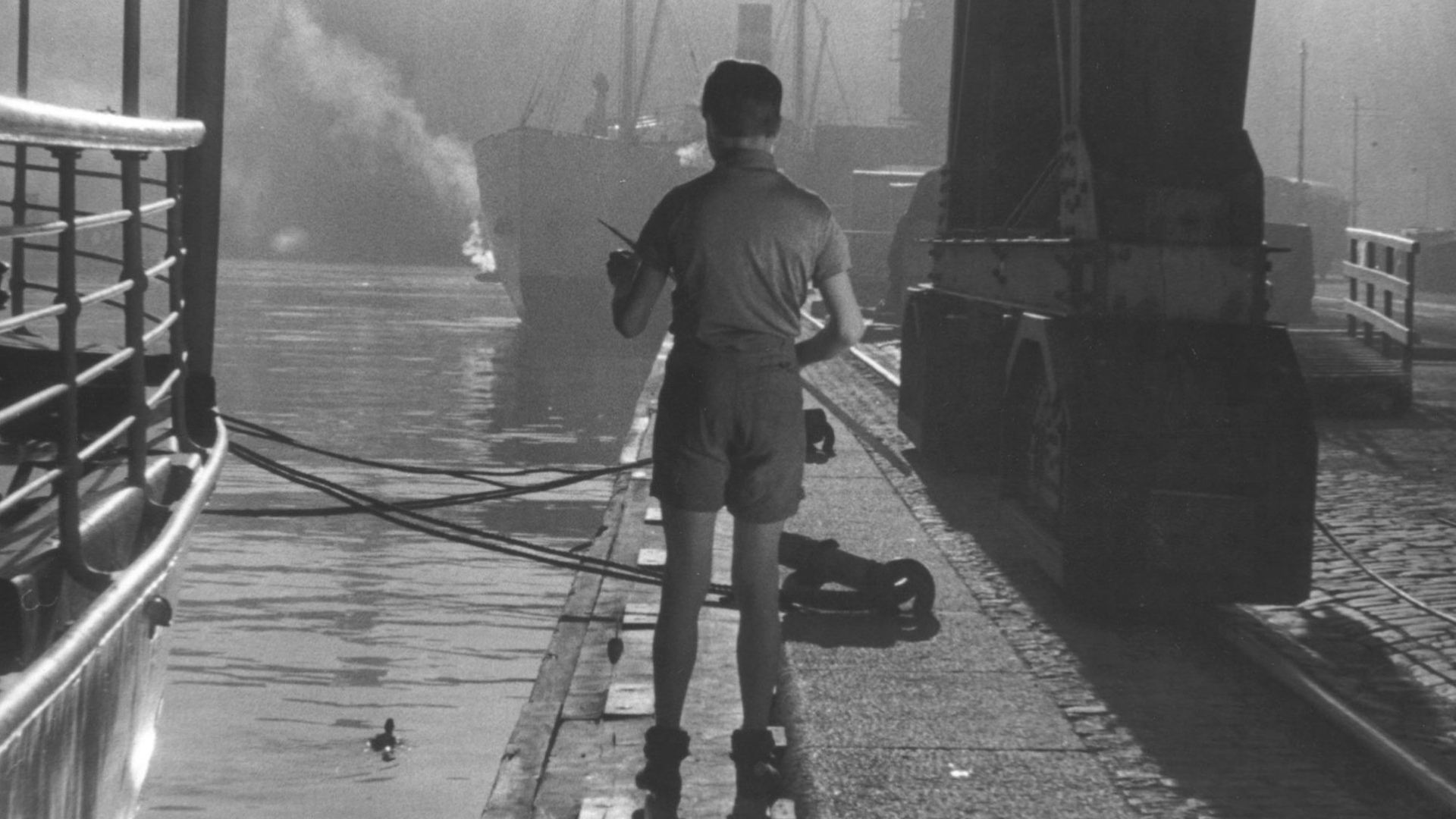
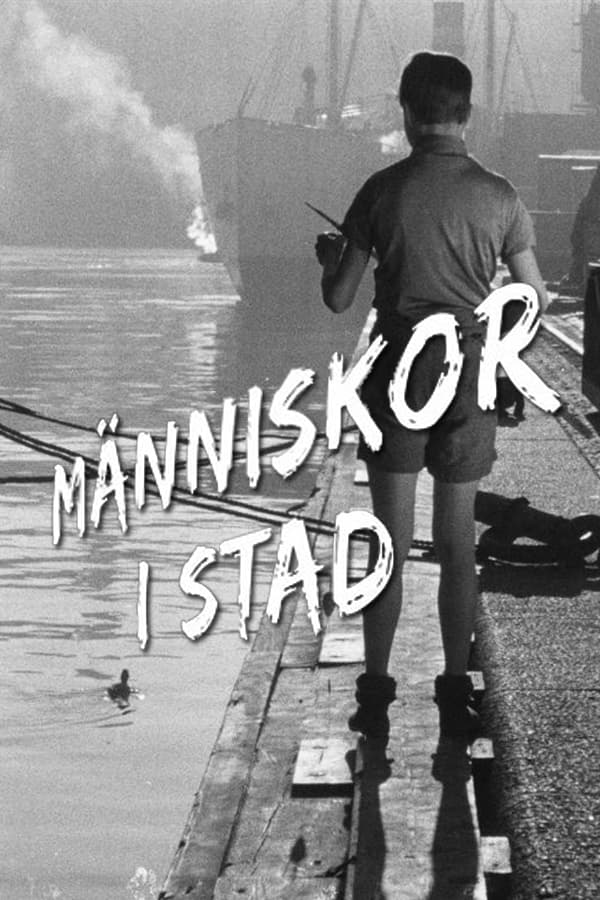
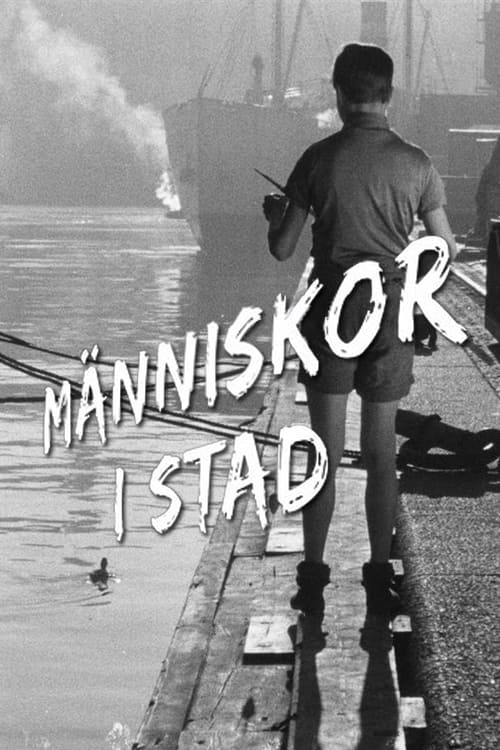
An impressionistic short film celebrating Stockholm’s rhythms of life, blending images of its streets, waterways, people, and architecture into a visual “symphony.” Winner of the Academy Award (Oscar) for Best Short Subject, One-Reel in 1949 — the first Swedish film ever to receive an Oscar.




Mats Björne
Mats Björne
Mats Björne
Björn Näslund
Björn Näslund
Björn Näslund
Bo Tobiasson
Bo Tobiasson
Bo Tobiasson
Erland Colliander
Erland Colliander
Church caretaker
Erland Colliander
Church caretaker
Sven Ericsson
Sven Ericsson
Sven Ericsson
Sala-Frasse
Sala-Frasse
Fisherman
Sala-Frasse
Fisherman
Anders Nohrborg
Anders Nohrborg
Anders Nohrborg
Similar Movies
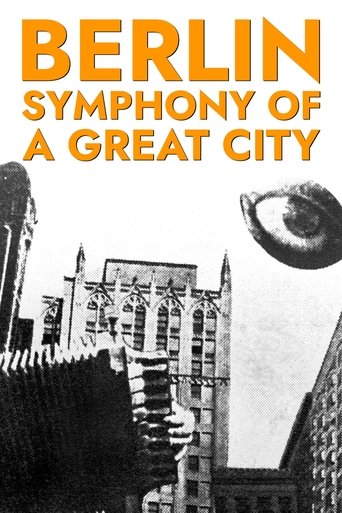
A day in the city of Berlin, which experienced an industrial boom in the 1920s, and still provides an insight into the living and working conditions at that time. Germany had just recovered a little from the worst consequences of the First World War, the great economic crisis was still a few years away and Hitler was not yet an issue at the time.

Tourists eating and taking photos. Tourists strolling and taking photos. Tourists bathing on the beach and taking more photos. Barcelona has become an overexploited photocall to the point of paroxysm, and this is what this film shows by turning the camera and pointing towards the visitors. A small gesture that, added to a powerful sound contrast and a caustic sense of humour, exposes without subterfuge a grotesque normality.
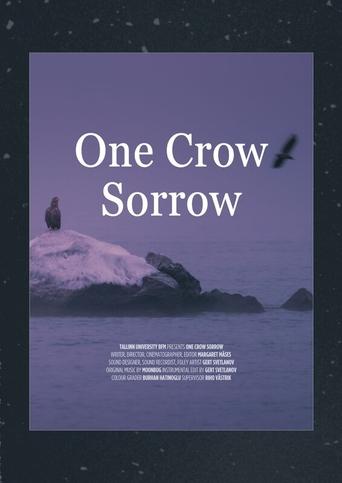
A personal city symphony where an eco-anxious soul explores the intersections of natural and artificial. The filmmaker’s internal conflicts are reflected through the contradictions of early spring. This experimental short documentary invites the viewer to take the time and truly pay attention to one’s surroundings.

"The Hart of London" is an endlessly layered tour de force. It explores life and death, the sense of place and personal displacement, and the intricate aesthetics of representation. It is a personal and spiritual film, marked inevitably by Chambers’s knowledge that he had leukemia. The late American avant-garde filmmaker Stan Brakhage said of Hart, "If I named the five greatest films [ever made], this has got to be one of them." Even this high praise falls short of hyperbole. The Hart of London is at the centre of Chambers’s extraordinary achievement.
"The theme of the film HIDDEN CITIES is personal urban perceptions, which we call 'the city'. The city, as a living organism, reflecting social processes and interactions, economic relations, political conditions and private matters. In the city, human memories, desires and tragedies find expression in the form of designations and marks engraved in house walls and paving slabs. But what the city really is under this thick layer of signs, what it contains or conceals, is what we are researching in the HIDDEN CITIES project. The source material for the film are 9 sequential photo works created by Gusztáv Hámos between 1975 and 2010. Each of these 'city perceptions' depicts essential situations of urban experiences containing human and inhuman acts in a compact form. The cities in which the photo sequences have been made are Berlin, Budapest and New York – places with a traumatised past: Wars, dictatorships, terrorist catastrophes."

Morning reveals New York harbor, the wharves, the Brooklyn Bridge. A ferry boat docks, disgorging its huddled mass. People move briskly along Wall St. or stroll more languorously through a cemetery. Ranks of skyscrapers extrude columns of smoke and steam. In plain view. Or framed, as through a balustrade. A crane promotes the city's upward progress, as an ironworker balances on a high beam. A locomotive in a railway yard prepares to depart, while an arriving ocean liner jostles with attentive tugboats. Fading sunlight is reflected in the waters of the harbor. The imagery is interspersed with quotations from Walt Whitman, who is left unnamed.
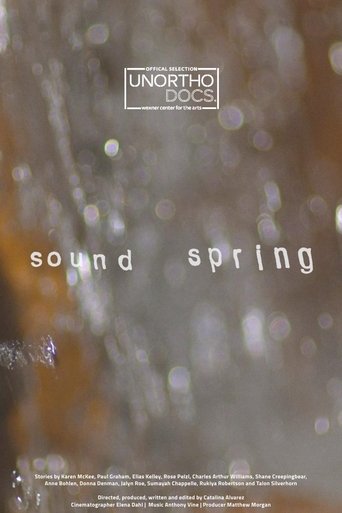
Unfolding in a series of eight vignettes, Sound Spring explores the history ofYellow Springs, Ohio over hundreds of years, as narrated by its residents incomical scenes: one interviewee rollerblades and reads the village's water meters, another stands on his head in a breakdancing freeze. The villagers describe American history-their ancestors' settlements after slavery, a friendship with Coretta Scott King, and Ohio's Trail of Tears- among other more personal details of village life. The wording of their recollections is imperfect, unsure-in fact they are all re-stagings of their previous audio interviews. Through performing their own previously recorded media, villagers uncover layers of time and storytelling.