

Song of Khartoum
Documentary
Overview
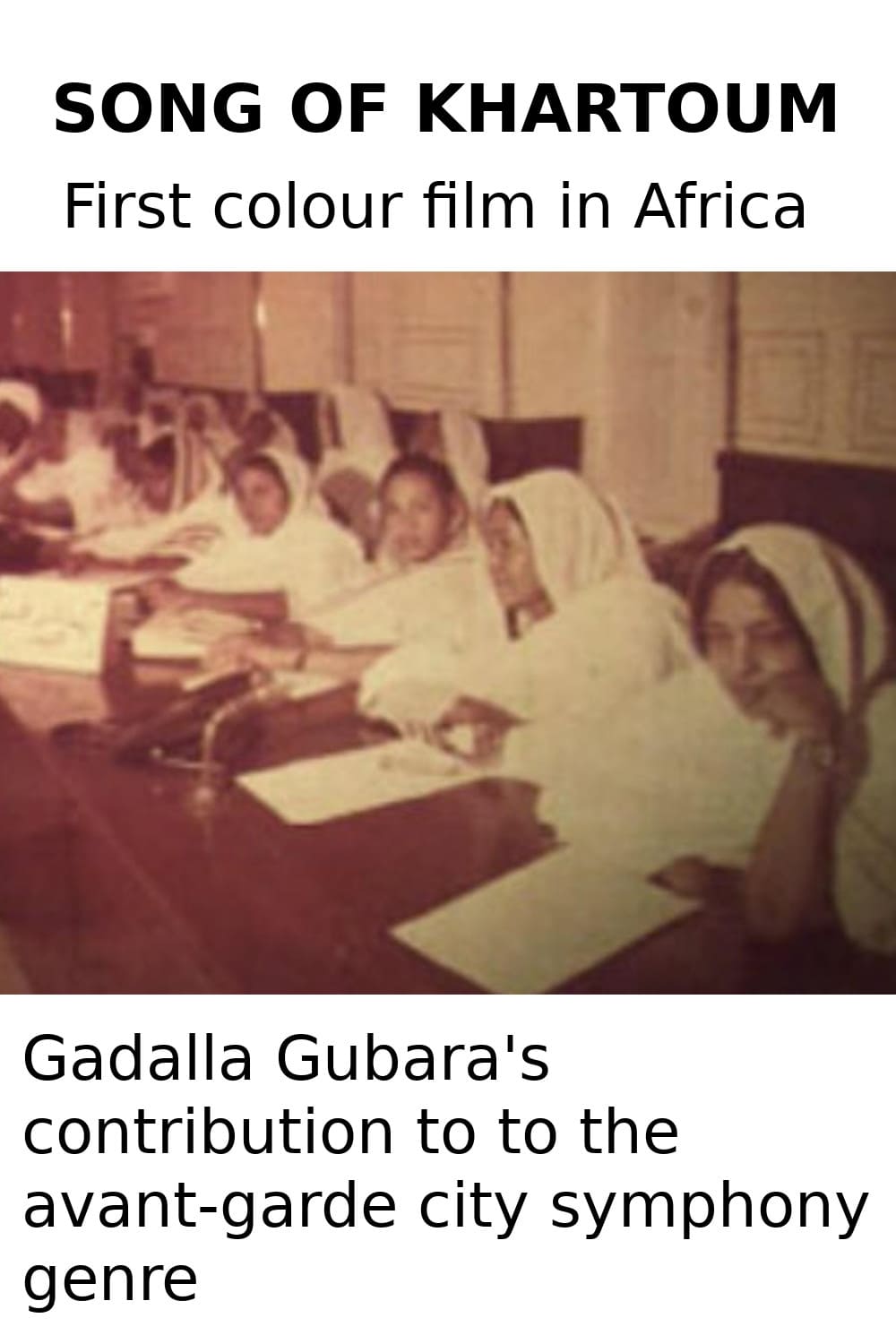
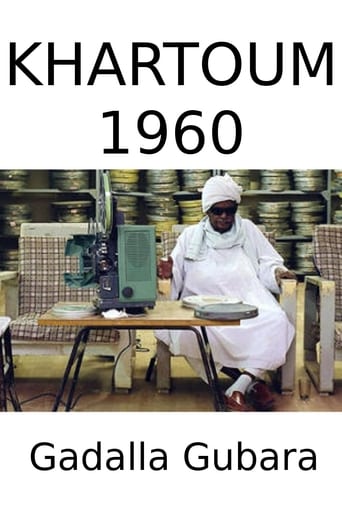
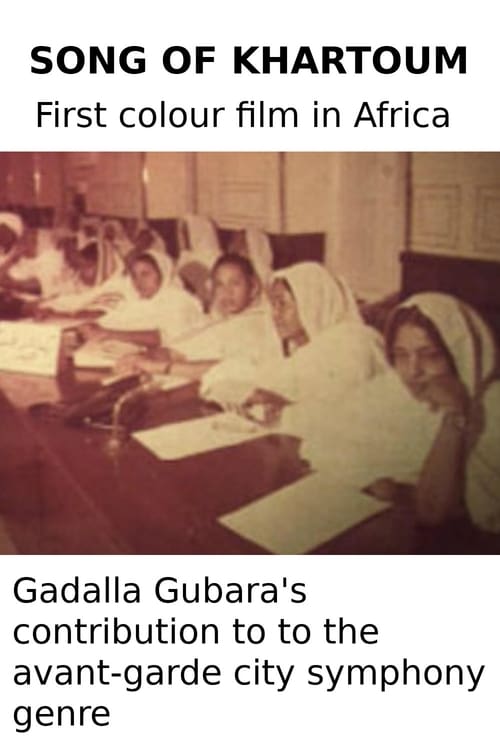
Gubara was proud of the first color film in African cinema, which attempts to give an African response to the city symphony genre by capturing disparate images of daily life in Khartoum and setting it to music, particularly romantic Arabic songs.

No cast information.
Similar Movies
A day in the city of Berlin, which experienced an industrial boom in the 1920s, and still provides an insight into the living and working conditions at that time. Germany had just recovered a little from the worst consequences of the First World War, the great economic crisis was still a few years away and Hitler was not yet an issue at the time.
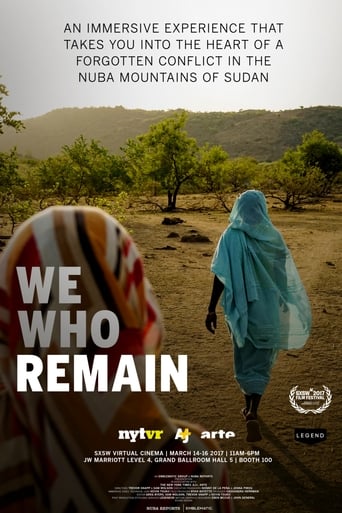
Sudan, Southern Kordofan, the Nuba Mountains in Africa. Scenes from the forgotten war that the fighters of the Nuba people have held since 2011 against the government of President Omar al-Bashir and the Sudanese army, which crudely show the hard daily life of Hannan, a brave woman fighting for the survival of her family; Jordania, a promising student; Mosquito, a reckless journalist; and Al-Bagir, a rebel leader.
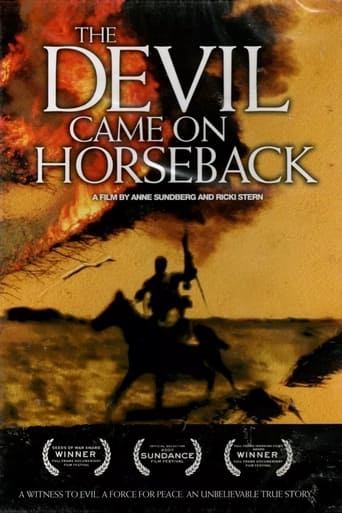
While serving with the African Union, former Marine Capt. Brian Steidle documents the brutal ethnic cleansing occuring in Darfur. Determined that the Western public should know about the atrocities he is witnessing, Steidle contacts New York Times reporter Nicholas Kristof, who publishes some of Steidle's photographic evidence.

This acclaimed documentary follows the story of six people who are determined to end the sufferings in Sudan's war-ravaged Darfur. The six - an American activist, an international prosecutor, a Sudanese rebel, a sheikh, a leader of the World Food Program and an internationally known actor - demonstrate the power of how one individual can create extraordinary changes.
The film builds up a portrait of a great Sudanese film-maker, Gadalla Gubara. At eighty-seven, he is one of the pioneers of cinema in Africa. He has recently lost his sight but still continues to film life in Sudan as no one before him. Through his oeuvre, Gadalla reveals to us a Sudan both mysterious and misunderstood. Despite censorship and lack of financial support over sixty years, he has produced cinema that is independent and unique in a country where freedom of expression is a rare luxury.