


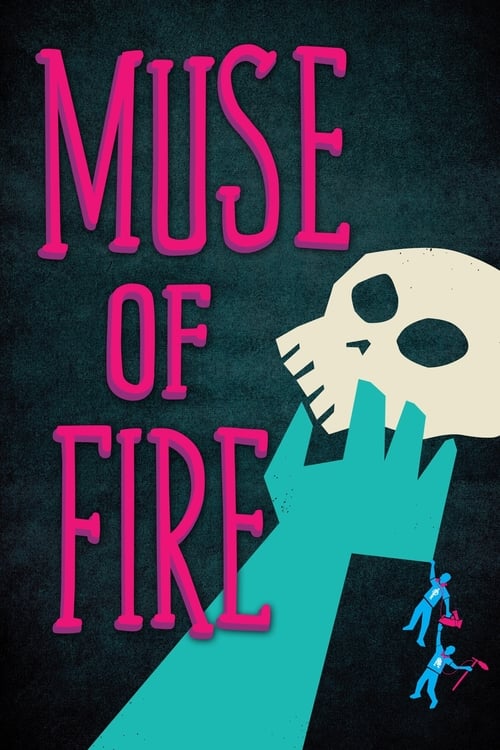
Muse of Fire
Documentary
Overview
This unique feature documentary follows two actors, Giles Terera and Dan Poole, as they travel the world to find out everything they can about tackling the greatest writer of them all. Together they have directed and produced an inspiring film that aims to demystify and illuminate Shakespeare’s work for everyone: from actors, directors and students of all disciplines, right through to the "man on the street". Think Shakespeare is boring? Think again!



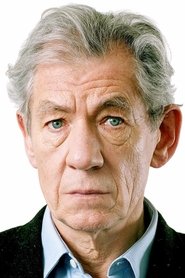
Ian McKellen
Ian McKellen
Self
Ian McKellen
Self
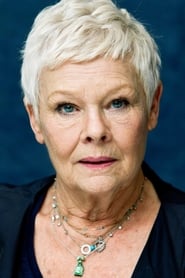
Judi Dench
Judi Dench
Self
Judi Dench
Self
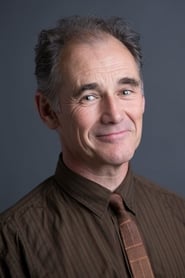
Mark Rylance
Mark Rylance
Self
Mark Rylance
Self
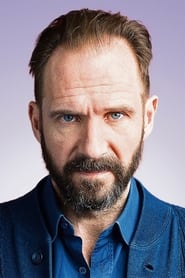
Ralph Fiennes
Ralph Fiennes
Self
Ralph Fiennes
Self
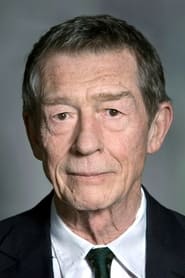
John Hurt
John Hurt
Self
John Hurt
Self

Ben Kingsley
Ben Kingsley
Self
Ben Kingsley
Self
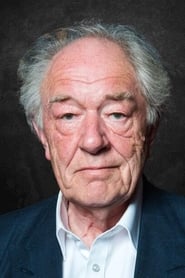
Michael Gambon
Michael Gambon
Self
Michael Gambon
Self

Zoë Wanamaker
Zoë Wanamaker
Self
Zoë Wanamaker
Self
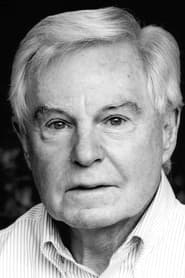
Derek Jacobi
Derek Jacobi
Self
Derek Jacobi
Self

Helen McCrory
Helen McCrory
Self
Helen McCrory
Self
Similar Movies
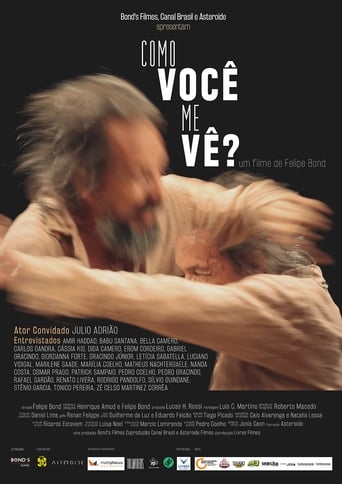
How Do You See Me? is a Brazilian documentary feature that entwines both experienced actors and beginners to explore the hardships and the happiness that are inherent to the job when detached from the glam and glitz of the gossip industry, creating a diverse and comprehensive mosaic of what it means to be an actor in Brazil, a country so full of contradictions. The film brings forward a reality that the masses usually don't get to know: the men and women moved by a deep passion for acting and touching people. With Julio Adrião, Matheus Nachtergaele, José Celso Martinez, Cássia Kis, Nanda Costa, Babu Santana, Luciano Vidigal and Letícia Sabatella, among others.

In this film, outspokenly homosexual filmmaker Rosa von Praunheim has documented his encounters with friends in the New York "underground" arts movement, the better-known of whom are William Burroughs (who says nothing for the camera), Andy Warhol (seen in the distance) and Fernando Arrabal (who is interviewed in Spanish). The emigrants named in the title are notable Germans who left the country before World War II, such as Greta Keller and Grete Mosheim. Reviewers at the time of the film's release considered it to have been a sort of paid vacation for the filmmaker rather than a serious effort. (Clarke Fountain, Rovi)
What we tend to identify with the acting profession has little to do with what is really this profession. Thirty-six Spanish actors reflect on their work and contrasted their experiences. As thread, the contrast between the voices of veterans and images of young theater students , for whom everything is still possible. Among the many actors are interviewed Javier Bardem, Antonio Banderas, Victoria Abril, Carmen Maura, Fernando Fernán Gómez, José Luis López Vázquez, José Coronado, Emma Suarez, Alberto San Juan, Ariadna Gil, Ana Belén, Pilar Lopez de Ayala and many other.
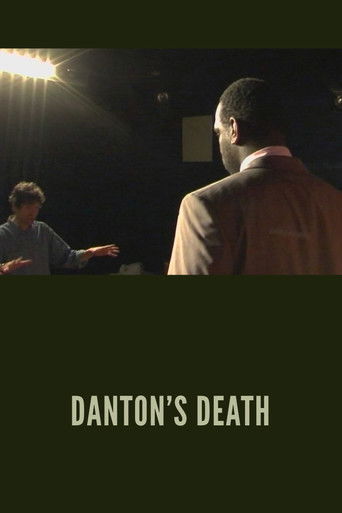
Steve, a 25-year-old Black man from the Paris suburbs, seeks to escape the violence of his immediate surroundings by training to become an actor at one of France’s most prestigious drama schools. But soon he discovers that the theater world is only interested in having him inhabit “Black” roles.
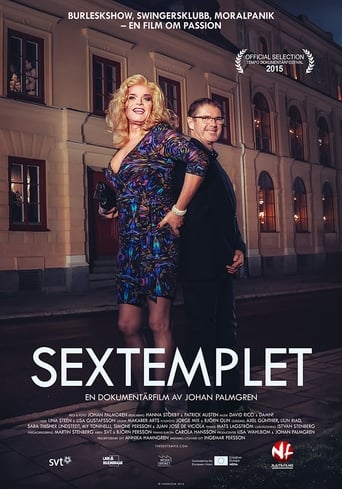
Robin ownes a beautiful old theatre in Norrköping, Sweden. There he lives with his husband. To solve a critical financial situation for the theatre, Robin puts up an equivoque burlesque show. In the middle of rehearsals he gets a phone call from Christian, the owner of a swingers club, who is in desperate need of new facilities because of a terrible fire that ruined his club. Renting out the cellar is a very interesting option for Robin and soon the two new friends start to cooperate while the town of Norrköping is in rage. The dream of Cristian is to make a big swingers party in the whole theatre and sometimes dreams come true.
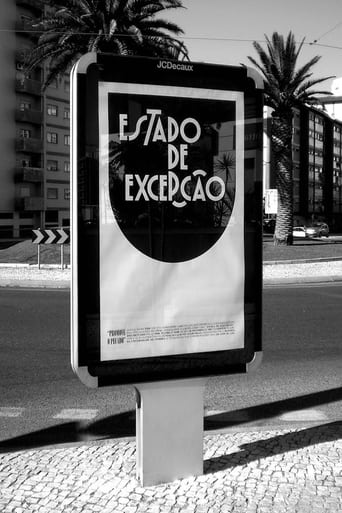
Estado de Excepção is a documentary about CITAC (Coimbra Theater Initiation Circle), a university theater group, revealing history since it was constituted in 1956 until the aftermath of the 1974 revolution. It is the history of the theater group university and, through it, the history of theater in Portugal, revealing two remarkable decades of the History of Portugal. Through the Academy of Coimbra, the documentary reproduces student life, the position of women in society, and the change in mentalities of being and being in the world. It reproduces the existing censorship and the fight against the dictatorship, the resistance to an exhausted regime, as well as the emerging contradictions of the democratic revolution. CITAC has a heritage of 50 years of experience in Coimbra. It carries with it the possibility of the theatrical and civic formation of thinking bodies, constituting a proper ball of a possible model, generation by generation, between studies, theater, and social drama.
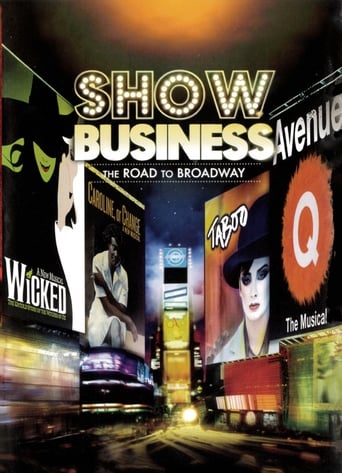
ShowBusiness: The Road to Broadway is an American documentary film, directed by Dori Berinstein, a Broadway Producer, Writer and Filmmaker. Berinstein filmed each principal musical on Broadway for her project during the 2003-2004 season, for about 600 hours of initial film footage. She focused the film on four musicals, through the difficulties of pre-production, their openings, attendant publicity around the shows, and their reviews, through the 2004 Tony Award competition. The four musicals documented for the film were: Wicked, Taboo, Caroline or Change, Avenue Q.